Home › Blog › Toilet overflow: clean water vs contaminated water and what to do
Toilet overflow: clean water vs contaminated water and what to do
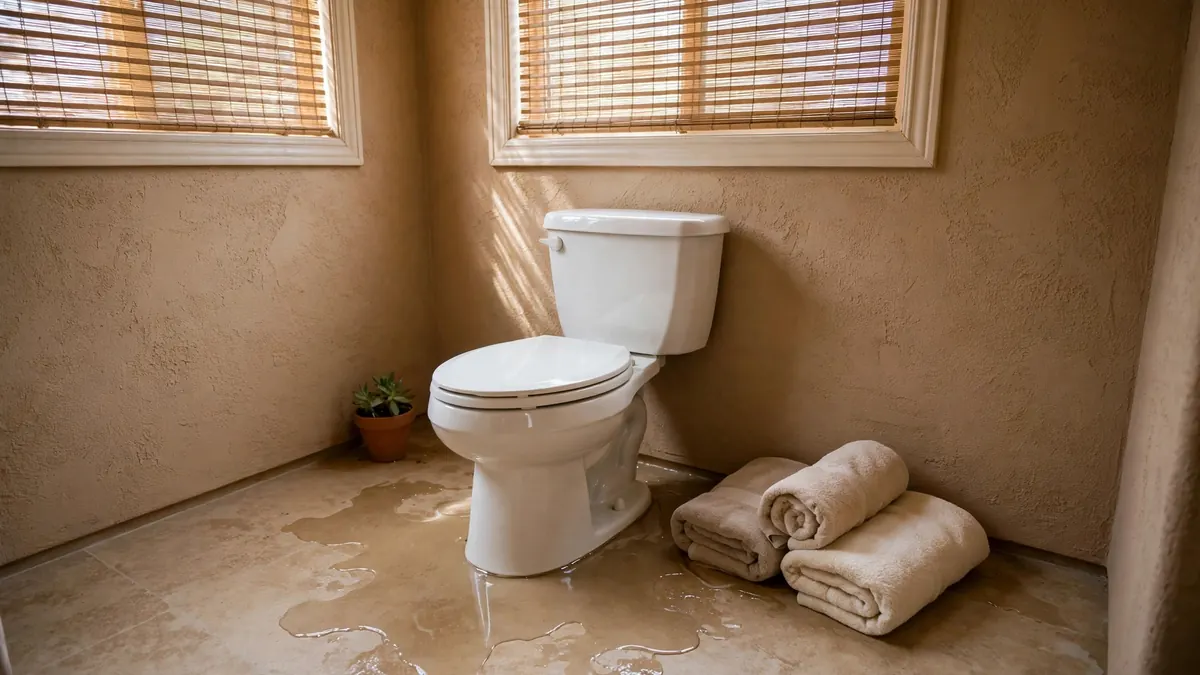
Water from the toilet tank or supply line is clean. Water that came out of the bowl is contaminated, and water with waste in it is treated like sewage. Clean water caught early on tile can often be handled yourself. Bowl water that spread past the bathroom, soaked carpet or got under the floor calls for toilet overflow cleanup.
In this article
- Is toilet overflow water clean or contaminated?
- How can you tell which kind of water you have?
- How do you stop a toilet that is still overflowing?
- Where does toilet overflow water go in a slab home?
- What about water leaking from under the toilet?
- When can you clean up a toilet overflow yourself?
- When do you need a restoration crew?
- Does insurance treat a clean and a dirty overflow differently?
- What should you do next?
- Questions homeowners ask
Is toilet overflow water clean or contaminated?
It depends on where it came out. Water from the tank, the fill valve or the supply line behind the toilet is the same water that comes out of your kitchen faucet, so it starts clean. Water that rose out of the bowl has been in contact with the inside of the toilet and is contaminated even if it looks clear. Water with urine or feces in it, or water pushed up from the sewer line, is treated as sewage.
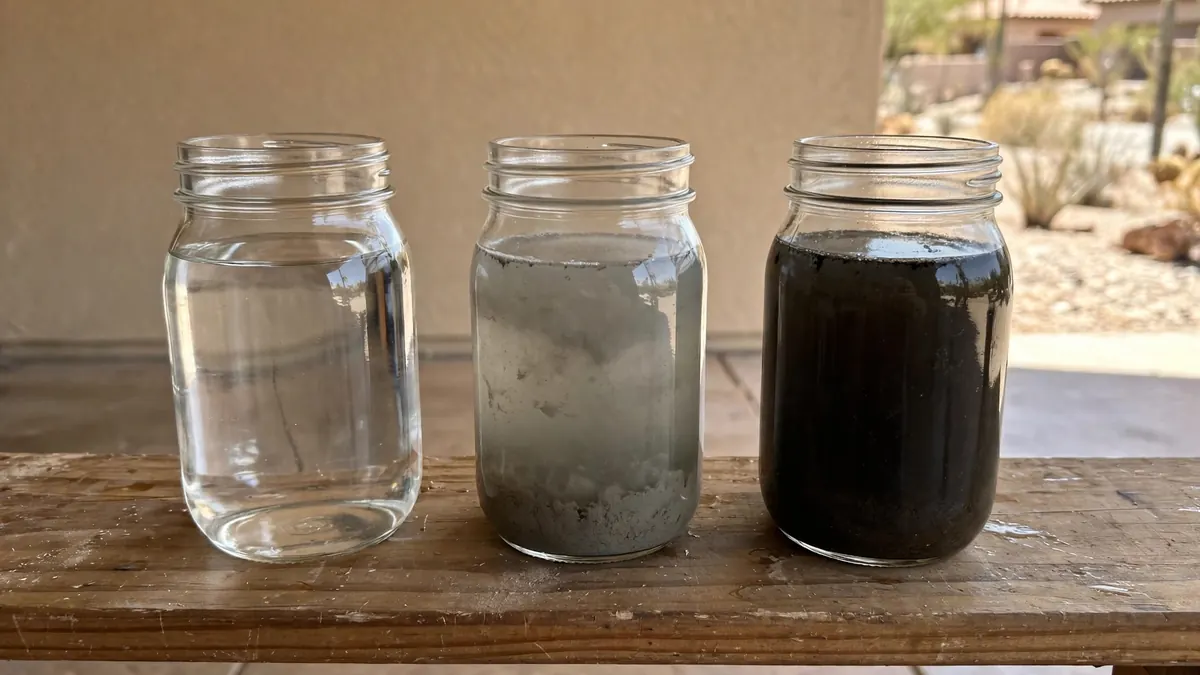
Restoration crews use three categories for this. Tank and supply water is Category 1. A bowl overflow with no solids is Category 2, gray water. A bowl overflow with waste, or a backup from the drain line, is Category 3, black water. The category is not a technicality. It decides what can be dried and kept and what has to be cut out and thrown away.
Clean water also does not stay clean. Tank water sitting on a bathroom floor in a warm house for a day or two starts to grow bacteria and picks up whatever was on the floor.
How can you tell which kind of water you have?
Look at where the water is coming from and what is in it. If the tank is cracked or the supply line is dripping and the bowl level is normal, it is clean water. If the bowl filled up and spilled over the rim, it is contaminated. If other drains are backing up too, the problem is the sewer line, not the toilet.
| What you see | Likely source | Treat it as |
|---|---|---|
| Water dripping from the supply line or shutoff valve | Supply leak | Clean water |
| Water on the floor behind the toilet, bowl level normal, tank wet on the outside | Cracked tank, loose tank bolts or tank sweating | Clean water |
| Tank keeps running and water spills out the overflow tube into the bowl and over the rim | Fill valve stuck open, often from hard water scale | Contaminated, since it passed through the bowl |
| Bowl fills up after a flush and spills over, no solids | Clog in the toilet or trap | Contaminated gray water |
| Bowl overflows with waste or paper | Clog with waste in the bowl | Sewage |
| Water seeping out from under the base when flushed | Failed wax ring or loose closet bolts | Sewage, since it is flush water |
| Toilet, tub and shower all backing up, or a toilet gurgles when the washer drains | Main line or lateral blockage | Sewage backup |
If you are not sure, treat it as the dirtier option.
How do you stop a toilet that is still overflowing?
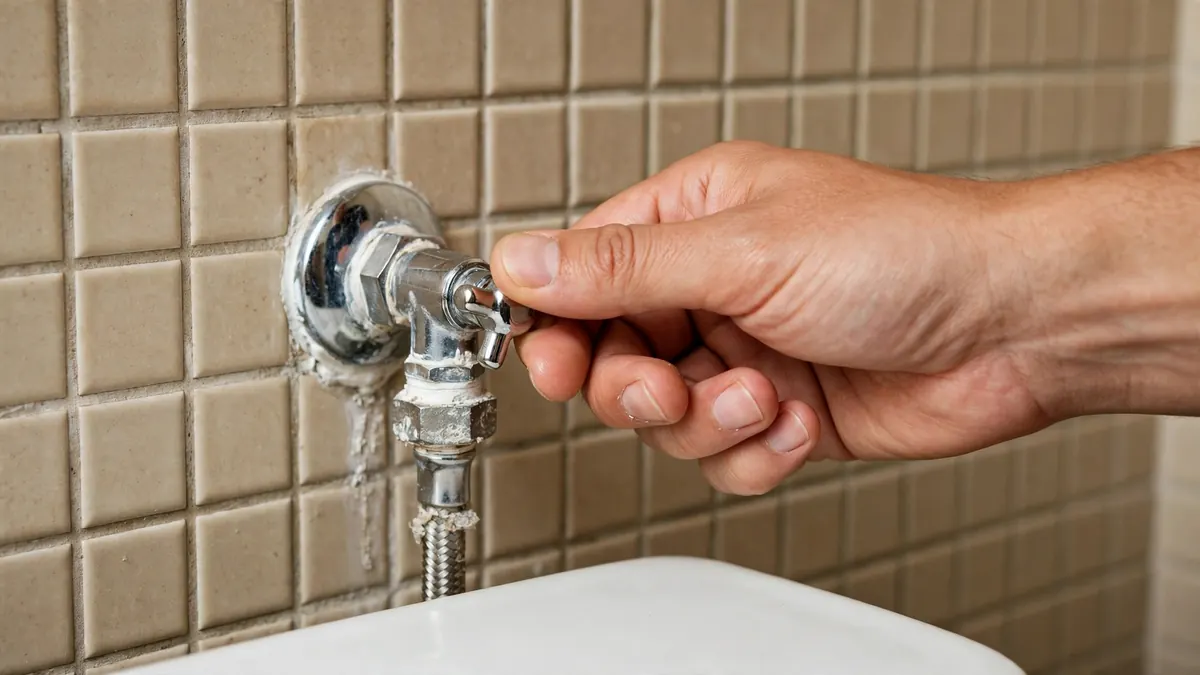
Turn the supply valve behind the toilet clockwise until it stops. If water is still rising, lift the tank lid and push the flapper down over the drain, then lift the float to stop the fill valve. Do not flush again.
In Casa Grande, the supply valve under the tank is often the problem. Hard water leaves white scale inside these small valves, and one that has not been turned in years can be stiff or refuse to close all the way. Do not force it with pliers, since an old valve can snap at the stem and turn a small overflow into a steady spray. If it will not close, shut off the main water valve for the house. In most homes here it is near the front hose bib or in the garage.
Once the water is off, open a window or run the bathroom exhaust fan, keep kids and pets out, and take photos before you start wiping anything up.
Where does toilet overflow water go in a slab home?
It spreads sideways. With no crawlspace to drain into, water on a slab floor runs to the lowest point and into anything porous at the edge of the room: baseboards, the bottom of the drywall, the vanity base and the carpet in the next room.
- Under the baseboards. Water slips under the trim and into the gap at the bottom of the drywall. The wall can wick it up several inches while the paint still looks dry.
- Into the vanity. Bathroom vanities in most homes are particleboard boxes sitting on the floor. They soak water up from the bottom edge and swell within a day or two.
- Under tile. Grout and the edges of tile let water down to the slab, where it can travel under the floor. Darkened grout lines that stay dark after the surface dries are a sign.
- Into the next room. Many homes have carpet in the hallway or bedroom right outside the bathroom. Carpet pad pulls water in fast and hides it.
- Through the floor to the ceiling below. In a two-story home, water goes through the subfloor into the ceiling cavity below, soaking insulation and drywall. A ceiling stain under a bathroom often shows up a day or more later. See ceiling water damage for what that involves.
What about water leaking from under the toilet?
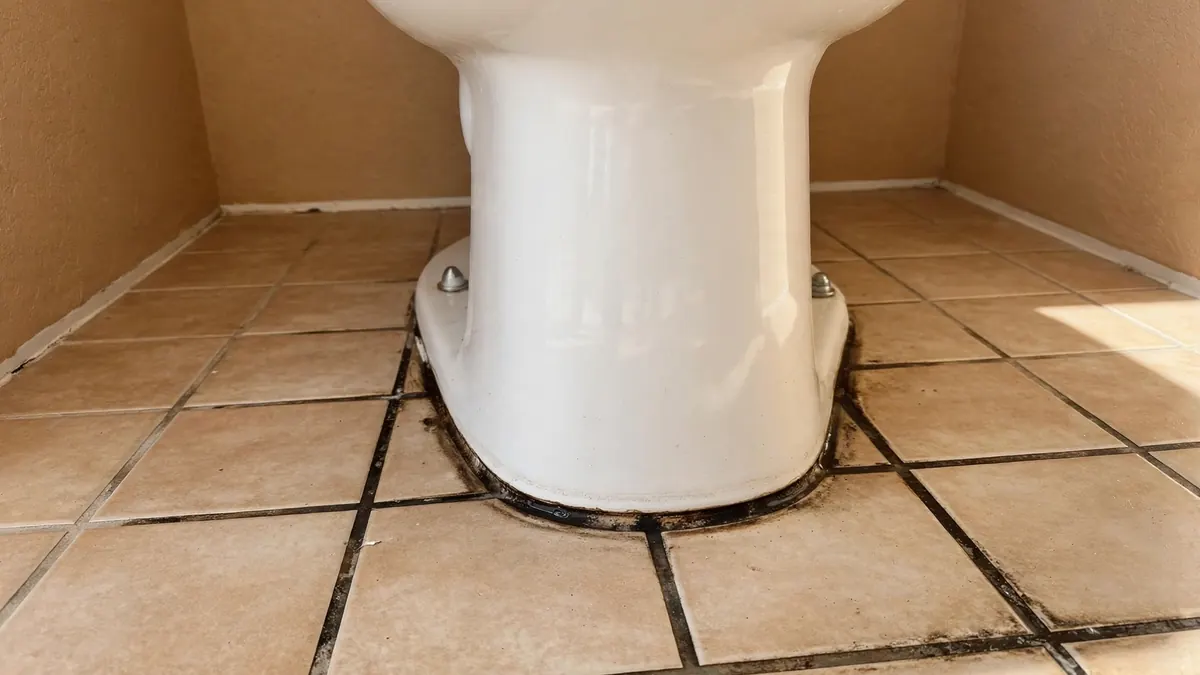
A leak at the base is usually the wax ring, the seal between the toilet and the drain pipe in the floor. When it fails, a little flush water escapes every time someone uses the toilet. Because that is water heading to the drain, it is contaminated, not clean.
Signs of a failed wax ring:
- Water or a damp ring around the base after flushing.
- Grout around the toilet that is darker than the rest of the floor.
- A toilet that rocks when you sit on it.
- A sewer or musty smell in the bathroom that cleaning does not fix.
- A brown stain on the ceiling below, in a two-story house.
This kind of leak is slow, which is the problem. It can go on for months, soaking the floor around the flange each time. In a two-story home or on a wood subfloor, the floor around the toilet can soften and rot. Replacing the wax ring is a plumbing job. The water that already got into the floor and walls is a separate drying and cleanup job. Our page on signs of hidden water damage covers more of what slow leaks look like.
When can you clean up a toilet overflow yourself?
You can usually handle it yourself when the water stayed on the bathroom tile, was cleaned up within an hour or so, did not reach carpet or get under the baseboards, and did not contain waste.
- Put on gloves. Rubber gloves for any bowl water, and old shoes you can wash.
- Soak up the water. Use old towels or a mop. Do not use a household vacuum.
- Clean, then disinfect. Wash the floor, the base of the toilet, the tub edge and the lower walls with soapy water, then apply a household disinfectant and leave it wet for the time on the label.
- Check the bottom of the walls. Press on the drywall just above the baseboard. Soft or swollen drywall means water got into the wall.
- Check the vanity. Open the doors and feel the bottom panel and toe-kick. Swelling or a wet edge means water reached it.
- Bag and wash. Bath mats and towels used on bowl water go straight into a hot wash, separate from other laundry.
- Dry and watch. Run the exhaust fan and keep the door open. Look again the next day for darkened grout, a smell, or a stain on the ceiling below.
If the toilet overflowed with waste in it, skip the DIY list. Keep everyone out, close the bathroom door, and have it cleaned as a sewage job. Porous materials it touched, such as bath mats, carpet and pad, usually cannot be disinfected well enough to keep.
When do you need a restoration crew?
Call a crew when the water left the bathroom, soaked carpet, got under baseboards or the vanity, came through a ceiling, contained waste, or sat for more than a few hours before anyone found it. Those are the cases where water is somewhere you cannot reach with a towel.
- Carpet got wet. Bowl water in carpet pad generally means the pad comes out, and the carpet needs cleaning and treatment or replacement.
- The drywall is soft. Water inside the wall needs moisture readings and drying, or the bottom of the wall cut out if the water was dirty.
- There is waste in the water. That is Category 3. Crews contain the area, remove porous materials and disinfect with protective equipment.
- More than one drain backed up. That is a sewer line problem. See our page on sewage backup cleanup.
- Nobody was home. A running toilet in an empty seasonal home in Mission Royale or Robson Ranch can soak several rooms before anyone notices.
- The ceiling below is stained or sagging. Stay out from under it.
A crew measures moisture with meters and a thermal camera, extracts the water, removes what cannot be cleaned and dries the rest with dehumidifiers. Most bathrooms and adjoining rooms reach a dry standard in about three to five days.
Does insurance treat a clean and a dirty overflow differently?
The category changes what gets removed and how much the job costs, but coverage depends more on how it happened. A sudden overflow or a supply line failure is usually covered by a standard homeowners policy, minus the deductible. A wax ring leak that went on for months is often treated as gradual and excluded. Sewage pushed up from the drain line is usually a backup, which many base policies exclude unless you added a water backup endorsement.
On cost, a single bathroom of clean water caught early often runs about $400 to $1,500 in the Casa Grande area. A contaminated overflow costs more because materials are removed and the room is disinfected, and damage to a ceiling below adds drywall work. Prices are set by each restoration company. Photograph the water and the source before cleanup and keep the plumber's note on the cause.
What should you do next?
Stop the water, figure out which kind it is, and check the edges of the room before you decide it is done. Clean water on tile caught early is often a towel-and-disinfectant job. Bowl water in carpet, water under the vanity, or anything with waste in it is a job for a crew.
The restoration companies we work with handle toilet overflows from small bathrooms to sewage cleanup across Casa Grande and nearby Pinal County. If the water got past the bathroom floor, call (520) 380-1551. The line is open 24/7.
Questions homeowners ask
Is water from the toilet tank clean?
Is clear water from the toilet bowl safe?
Can I save a bath mat or rug after a toilet overflow?
Why does my bathroom smell after I cleaned up the overflow?
More from the blog
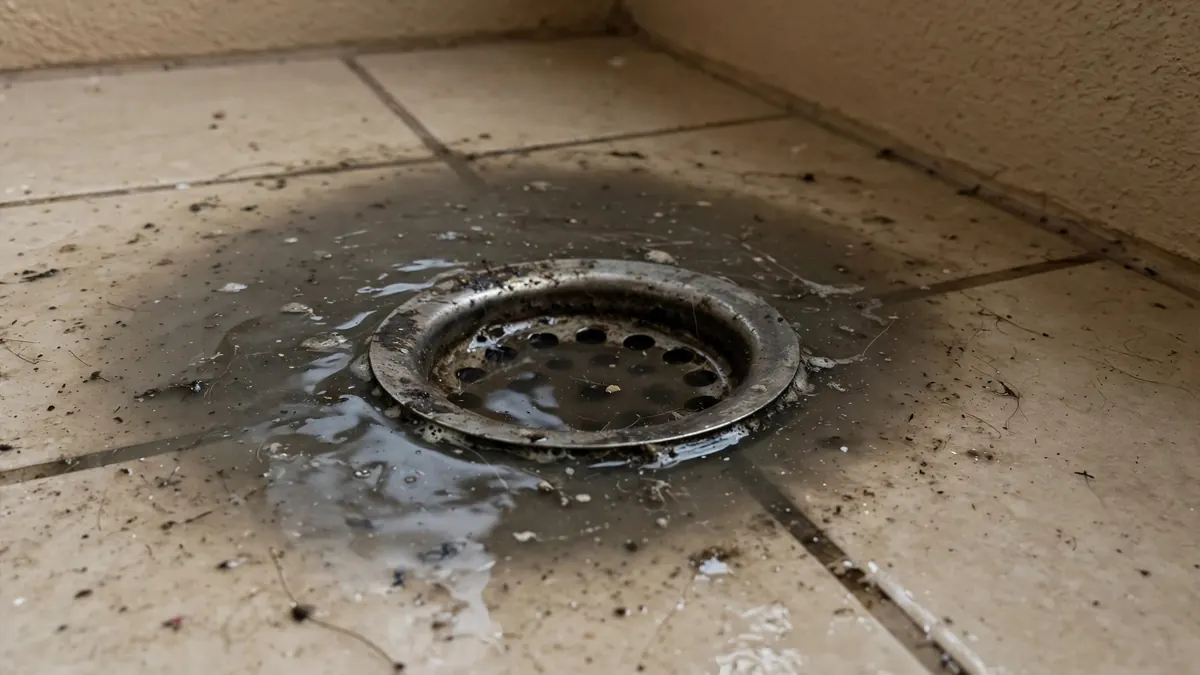 SewageSewage backup in your house: why it's a biohazard and what to doA sewage backup is a biohazard because raw sewage is Category 3 water that carries bacteria, viruses and parasites from human waste. Get people and pets...
 SewageSewer backup insurance in Arizona: endorsements, limits and claimsMost standard Arizona homeowners policies exclude water that backs up through sewers or drains. Coverage usually comes from a water backup endorsement added to the policy,...
 SewageCategory 1, 2 and 3 water: what the restoration terms meanWater categories describe how contaminated the water is. Category 1 is clean water from a supply line, Category 2 is gray water with some contamination, like...
Need help with damage right now?
Speak to a local restoration specialist on the 24/7 line, any time of day.
Call (520) 380-1551When you call: enter your ZIP code, then press 1 for water damage, 2 for fire damage or 4 for sewage backup.