Home › Ceiling Water Damage
Ceiling water damage repair in Casa Grande, AZ
A brown stain or a soft, bulging ceiling means water is sitting above your drywall right now. We connect you with IICRC-certified crews who find the source, dry it out, and repair the ceiling, 24/7 across Casa Grande and Pinal County.
Ceiling water damage in Casa Grande is water leaking down from above through your drywall, usually from a roof leak, a plumbing line, or an attic AC unit. A brown stain is the early sign. A sagging or bulging ceiling means water is pooling and the drywall can fall. Get the source found and the ceiling dried fast. Call (520) 380-1551 for 24/7 help.
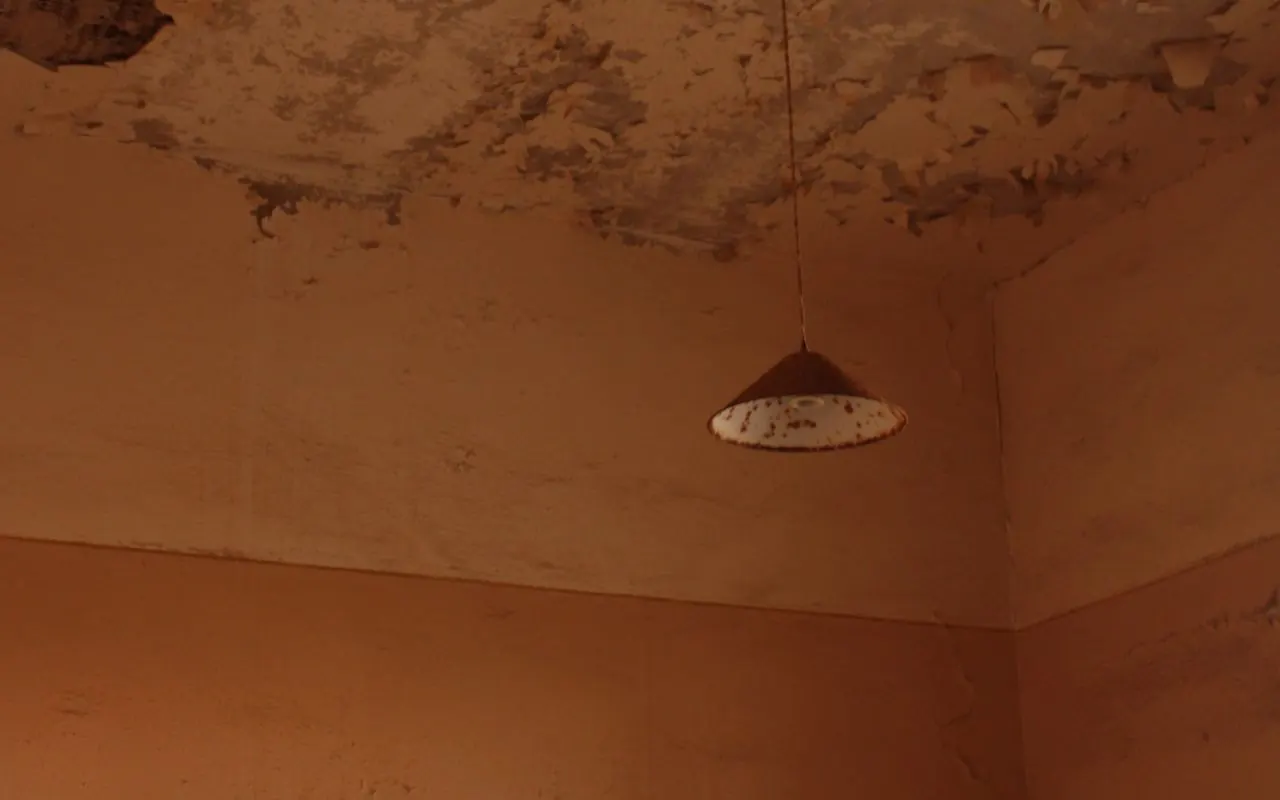
What causes ceiling water damage here
The water on your ceiling started somewhere above it. In Casa Grande homes, three sources cause most of these calls:
- Roof leaks during monsoon. From mid-June through September, downpours push water past cracked tiles, worn flashing, and roof penetrations like vents and swamp coolers. The water runs along the framing and shows up on the ceiling several feet from where it actually got in.
- Plumbing leaks from a second floor or the attic. A supply line, a drain, or a toilet flange on the floor above can drip into the ceiling below. Two-story homes in the newer subdivisions near the Lucid and Kohler plants often run PEX, and a single failed fitting feeds a slow leak for days.
- AC unit or condensate-line leaks in the attic. Many homes here have an air handler in the attic. During the long cooling season, a clogged condensate line or a rusted overflow pan drips onto the ceiling and closet all summer before anyone looks up.
The warning signs, from small to serious
Ceiling damage moves through stages. The earlier you catch it, the less you replace:
- Brown or yellow stains. Water carries dust and drywall minerals as it soaks through, leaving a ring. A stain that grows or darkens means the leak is still active.
- Bubbling or peeling paint. Moisture behind the paint lifts it off the drywall in blisters. Flaking texture and cracks in the same spot point the same way.
- A sagging or bulging ceiling. This is the serious one. The drywall is holding pooled water and has lost its strength. Wet drywall is heavy, and a bulging section can drop all at once, taking insulation and debris with it.
Local tip: if a ceiling stain shows up in July after a hard monsoon cell, check for a roof leak first, especially near a swamp cooler or a roof vent. If the same stain appears in dry weather under an upstairs bathroom, it is almost always plumbing. That one clue saves the crew time and tells the adjuster what happened.
What to do right now
If the ceiling is sagging or bulging, stay out of that room and keep everyone clear. Put a bucket under the drip and move furniture out of the way. If you can get into the attic safely, look for the wet spot to find the source, but do not stand under a bulge. Do not poke the bulge to drain it, since a rush of water and falling drywall can hurt someone. Then call a crew.
Drying versus replacing the ceiling
Not every water-stained ceiling has to come down. Once the source is stopped, the crew reads the drywall and framing with moisture meters. If the panel caught the leak early and still holds together, it can often be dried in place with air movers, then sealed and repainted. Drywall that sagged, crumbled, or grew mold gets cut out and replaced. Wet insulation above the ceiling usually has to go, since soaked insulation stops working and holds moisture against the framing. The crew documents every reading for your insurance as they go.
Ceiling leaks rarely stay in the ceiling. The same water runs down wall cavities and into the floor, so a proper job checks the whole path. See our water damage restoration page for how extraction and structural drying work, or storm and monsoon damage restoration if a monsoon storm is what let the water in.
Is a sagging or bulging ceiling dangerous?
What causes brown stains on a ceiling?
How do I tell a roof leak from a plumbing leak?
Is it covered by insurance?
Stained or sagging ceiling in Casa Grande? Get it looked at now.
The longer water sits above the drywall, the more you lose. Reach a certified restoration specialist any time, day or night.
Call (520) 380-1551