Home › Blog › Sewage backup in your house: why it's a biohazard and what to do
Sewage backup in your house: why it's a biohazard and what to do
A sewage backup is a biohazard because raw sewage is Category 3 water that carries bacteria, viruses and parasites from human waste. Get people and pets out of the area, stop using water in the house, and do not clean it with household supplies. Soaked carpet, pad and drywall usually come out during sewage backup cleanup.
In this article
- Why is a sewage backup considered a biohazard?
- What is Category 3 water, and how is it different from a normal leak?
- Who is most at risk, and who should leave the house?
- What should you do in the first hour after a sewage backup?
- What should you not do after a sewage backup?
- Why do carpet, pad, drywall and insulation usually get removed?
- How does professional sewage backup cleanup work?
- What causes sewage backups in Casa Grande homes?
- Does insurance cover sewage backup cleanup, and what does it cost?
- Is sewage cleanup the same as crime-scene or trauma cleanup?
- Questions homeowners ask
Why is a sewage backup considered a biohazard?
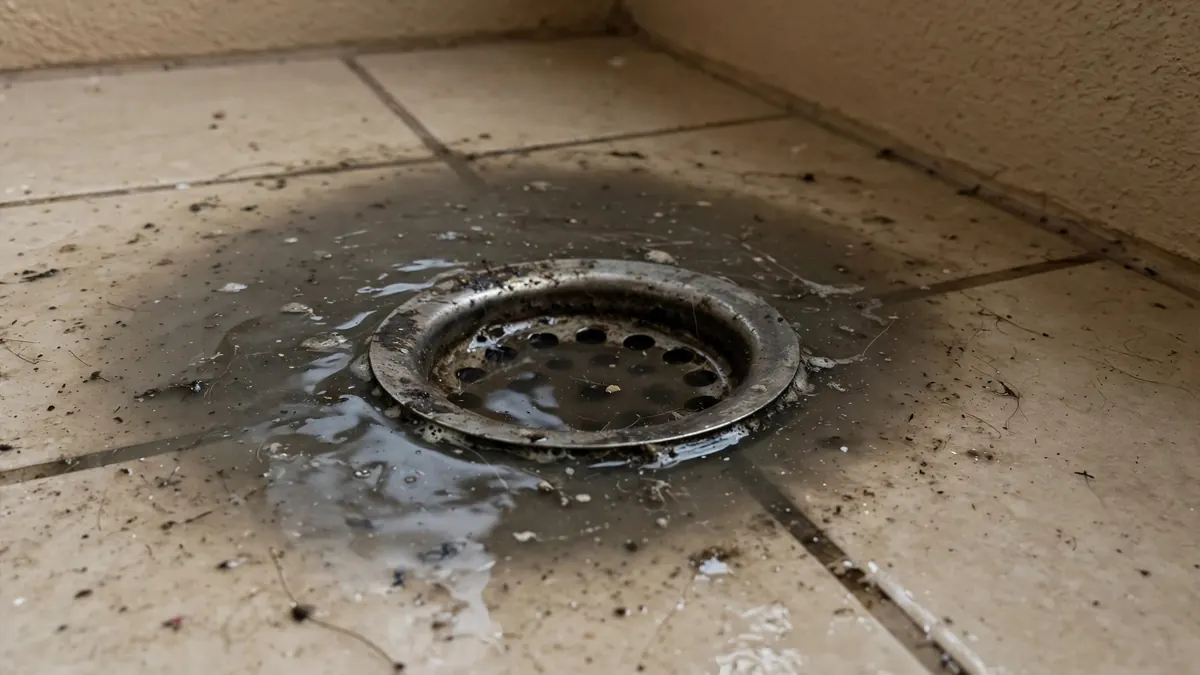
Sewage is a biohazard because it is mostly human waste, and human waste carries germs that make people sick. When it comes up through a floor drain, a tub or a toilet, it brings those germs into your living space and leaves them on every surface it touches.
The water coming out of your sewer line holds whatever went down every drain in the house, and if the city main is backing up, whatever went down the drains on your street. That can include:
- Bacteria such as E. coli and salmonella, the same families of germs behind many cases of food poisoning.
- Viruses such as norovirus and hepatitis A, which spread through contact with contaminated waste.
- Parasites such as giardia and cryptosporidium, which can survive ordinary household cleaners.
Those germs do not stay in the puddle. They soak into carpet and drywall, ride on shoes into dry rooms, and get kicked into the air when someone runs a fan or a shop vac. A warm Casa Grande house makes it worse, because warmth helps bacteria grow and mold take hold on anything that stays wet.
What is Category 3 water, and how is it different from a normal leak?
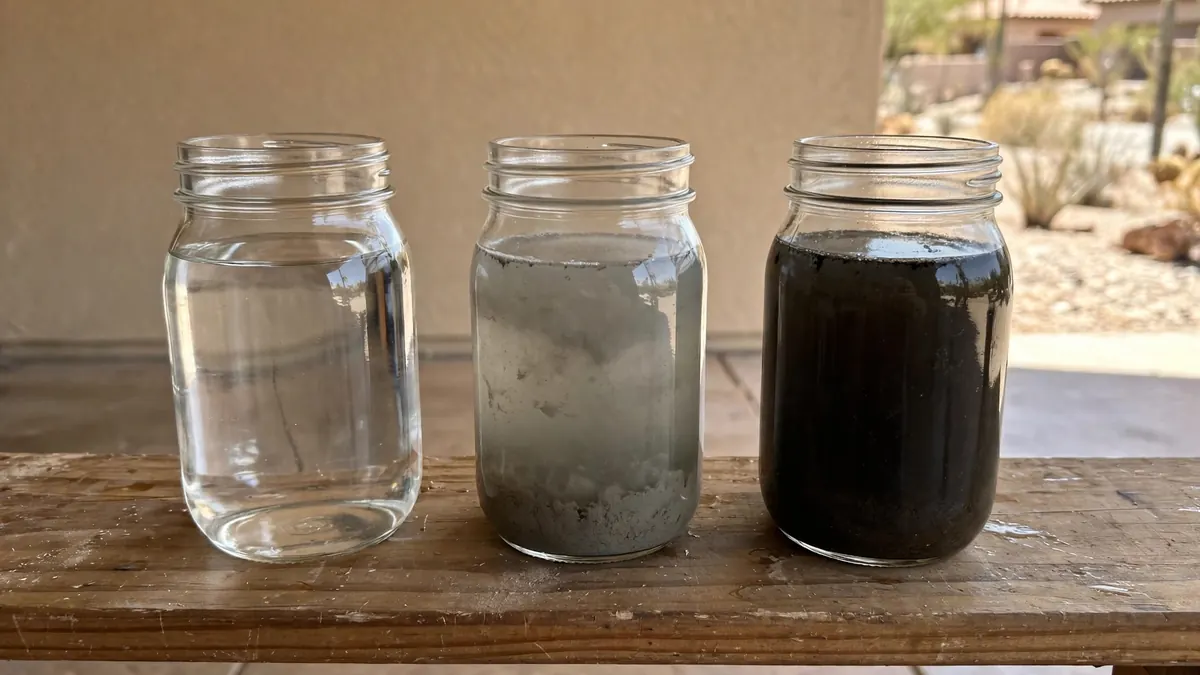
Category 3 water, often called black water, is the most contaminated of the three water categories used in restoration work. Sewage is the clearest example. The categories come from the IICRC S500, an industry standard for water damage:
- Category 1, clean water. A supply line, water heater or faucet. Flooring and drywall can often be dried in place.
- Category 2, gray water. Used water with some contamination, such as a washing machine drain. Carpet pad is usually pulled.
- Category 3, black water. Sewage, toilet water with feces, and outside flood water. Porous materials it touched usually come out, and the area is disinfected.
Category can get worse over time. Clean water left sitting for a day or two in a warm house picks up bacteria and can drift into Category 2 and then Category 3. If your problem started at one toilet, the toilet overflow cleanup page explains how crews sort a tank leak from a bowl overflow.
Who is most at risk, and who should leave the house?
Anyone can get sick from sewage, but some people are more likely to get seriously sick. They should be out of the affected area right away, and often out of the house until cleanup is done.
- Babies and young children. They crawl, touch the floor and put their hands in their mouths.
- Older adults. Many homes in Mission Royale and nearby communities belong to older and seasonal residents. A stomach bug that is a rough few days for a 30-year-old can be much harder on someone in their 80s.
- Anyone with a weakened immune system, including people in chemotherapy, transplant patients and anyone on immune-suppressing medication.
- People who are pregnant and anyone with open cuts or a healing surgery site.
- Pets. Dogs walk through it and lick their paws. Close doors and keep pets in a clean room or with a friend.
In summer, the garage or backyard is not a safe place to park pets or family when it is 110°F outside. Plan for a relative's house or a hotel if the backup is large. If anyone develops vomiting, diarrhea, fever or a skin infection after contact, call your doctor and mention the sewage exposure.
What should you do in the first hour after a sewage backup?
In the first hour, keep people safe, stop adding water and document what happened. The cleanup itself is better left to a crew with the right gear.
- Get people and pets out of the area. Close doors to the affected rooms if you can do it without walking through the water.
- Stop using water in the house. No flushing, showers, dishwasher or laundry. If the line is blocked, every gallon comes back up at the lowest fixture.
- Watch for electrical hazards. If you can reach the breaker panel without standing in water, switch off the wet rooms. If the panel is wet, leave it alone.
- Turn off the HVAC if water is near a return vent, so the air handler does not pull contaminated air through the ducts.
- Take photos and video of the water level, the fixture it came from and every wet room before anything is moved.
- Ask the neighbors. If they have water coming up too, that points to the city main rather than your own line.
- Call a plumber for the blockage and a restoration crew for the cleanup. These are often two different companies.
- Report the loss to your insurer and ask whether you have sewer backup coverage.
If you have to step into the water, wear rubber boots, waterproof gloves and eye protection, and take the boots off before you walk into a clean part of the house. Better yet, do not go in.
What should you not do after a sewage backup?
Most of the extra damage in a sewage backup comes from cleaning it with what is in the garage. Avoid these:
- Do not use a household vacuum or shop vac. It can shock you, and the exhaust blows contaminated mist into the room.
- Do not run box fans or ceiling fans. They spread droplets and odor. Drying comes after the contamination is gone.
- Do not pour bleach on it and call it done. Bleach does not reach germs deep in pad or drywall, and mixing it with ammonia cleaners or urine can release harmful fumes.
- Do not use chemical drain openers on a main line backup. They rarely clear roots or grease and make the water more dangerous for whoever works on it next.
- Do not keep flushing to see if it clears.
- Do not throw damaged items away yet. The adjuster may want to see them.
- Do not let kids or pets back in because the floor looks dry. A dry surface says nothing about the pad or the bottom of the wall.
Why do carpet, pad, drywall and insulation usually get removed?
Porous materials get removed after a sewage backup because they absorb contaminated water deep inside, where no cleaner can reach. You can disinfect the surface of a carpet, but you cannot disinfect the pad underneath or the gypsum inside a wall, so the safe choice is to take them out.
Hard surfaces such as tile, sealed concrete, glass and metal can usually be cleaned, disinfected and kept, which is good news for the many Casa Grande homes on concrete slabs with tile floors.
| Material | Usual outcome | Why |
|---|---|---|
| Wall-to-wall carpet and pad | Removed | Fibers and foam hold sewage throughout their thickness |
| Drywall below the wet line | Cut out, usually a foot or more above the stain | Gypsum and paper facing wick water up and feed bacteria and mold |
| Wall insulation in wet sections | Removed | Holds moisture and contamination and cannot be cleaned |
| Baseboards and door casing (MDF) | Usually removed | MDF swells and soaks up water like a sponge |
| Particleboard cabinet bases | Often removed | Swells and absorbs contamination |
| Ceramic and porcelain tile | Usually cleaned and kept | Non-porous, though grout and anything under loose tiles get checked |
| Bare or sealed concrete slab | Cleaned and disinfected | Hard surface that can be scrubbed and treated |
| Upholstered furniture, mattresses | Usually discarded | Padding cannot be decontaminated reliably |
The drywall cut line is set by moisture readings, not the visible stain, because water climbs higher than the tide mark shows. Putting contaminated material back means living with whatever grows inside it, and the smell usually returns the first hot week.

How does professional sewage backup cleanup work?
Professional sewage cleanup follows a set order: contain, protect, extract, remove, disinfect, dry and verify. Details vary by company, but the sequence is fairly standard.
- Assessment. The crew maps where the water went using moisture meters and sometimes thermal cameras.
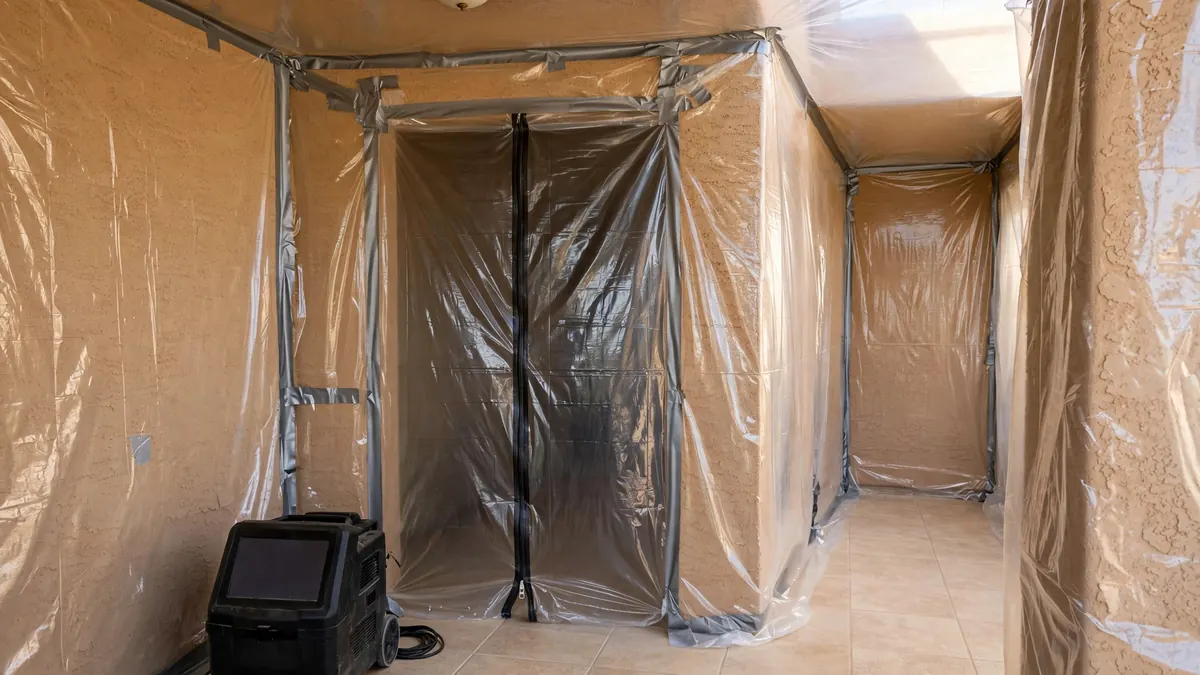
- Containment. The area is sealed with plastic sheeting, often under negative air pressure, so air flows into the work zone and not out into clean rooms.
- Protective equipment. Workers wear suits, gloves, boots, eye protection and respirators.
- Extraction. Standing sewage is pumped out with equipment built for contaminated water.
- Removal. Porous materials that took on sewage are cut out, bagged and hauled away.
- Cleaning and disinfection. Surfaces are scrubbed, then treated with an EPA-registered disinfectant that is left to sit for its full contact time.
- Drying. Air movers and commercial dehumidifiers dry the slab, framing and wall cavities while readings are logged. The structural drying page covers this stage.
- Verification. Before containment comes down, the crew confirms materials are at normal moisture levels and the area is clean. Ask what they check and what records you get.
- Rebuild. Drywall, insulation and flooring go back in once everything is dry.
A small bathroom backup might take a few days. A backup that reached several rooms, or sat before anyone found it, takes longer. Keep the photos, moisture logs and list of removed materials, since insurers ask for them.
What causes sewage backups in Casa Grande homes?
Most sewage backups in Casa Grande start with a blockage in the line that runs from the house to the city sewer. A smaller number come from the city main itself, often during or after a heavy monsoon storm.
Common causes on the house side
- Tree roots. In dry desert soil, roots go looking for water, and a sewer joint is one of the few steady sources. Mesquite, palo verde and other large yard trees planted near the line can push roots into cracks and joints.
- Grease. Cooking grease goes down liquid, cools solid and narrows the pipe over time.
- Wipes. Wipes sold as flushable do not break down like toilet paper. They snag on roots and grease and build into clogs.
- Older pipe. Some older homes have clay sewer pipe with joints roots can enter, and some homes built from roughly the 1940s into the early 1970s used Orangeburg, a tar-paper pipe that can deform with age. If you own an older home near downtown, a camera inspection shows what you have. Newer subdivisions generally use plastic pipe.
If only one fixture backs up, the clog is probably in its branch. If several drains back up at once, especially the lowest ones, the main line is likely blocked.
Backups from the city main
When a monsoon cell dumps heavy rain in a short time, storm water can get into the sanitary sewer through manholes and cracked pipes. If the main overloads, sewage can push back up through the lowest fixtures in nearby homes. A clog in the public main can do the same on a dry day.
City sewer vs private lateral: who is responsible?
In most cities, the homeowner is responsible for the private sewer lateral, the pipe from the house out toward the public main, and the city is responsible for the main. Exactly where that line sits varies, so confirm the details with the City of Casa Grande. If neighbors are backing up too, report it to the city's wastewater or utilities department. Homes on septic outside city limits follow different rules. A plumber can also tell you whether a backwater valve makes sense for your house.
Does insurance cover sewage backup cleanup, and what does it cost?
Most standard homeowners policies do not cover sewage that backs up through drains or the sewer line unless you have added a sewer and drain backup endorsement. If you have that endorsement, cleanup is often covered up to the endorsement's limit, minus your deductible.
A burst supply pipe is usually covered under a standard policy, but sewage coming up from a blocked line is treated differently, and many base policies exclude it. The endorsement goes by names like water backup or sewer and drain backup, and it usually has its own dollar limit, which may be lower than the cost of a large cleanup. Check your declarations page for that line item and its limit. Flood water that came in from outside is a separate matter handled by flood insurance.
Report the loss promptly and keep your photos and the crew's records of what was removed and why. Our guide on whether homeowners insurance covers water damage in Arizona covers deductibles and the flood gap in more depth.
What does sewage cleanup cost in Casa Grande?
Prices are set by the restoration company and vary, so the real number comes from an on-site assessment. As a rough guide, most water damage jobs in the area run about $1,300 to $5,500, and whole-home or Category 3 sewage jobs often run about $5,000 to $10,000 or more.
Sewage jobs usually cost more than a clean water leak of the same size because more material is removed and hauled off, disinfection takes time, containment and protective gear are needed, and the rebuild is bigger. The longer sewage sits, the more it ruins. Ask for an itemized estimate that lists extraction, removal, disinfection, drying and rebuild separately.
Is sewage cleanup the same as crime-scene or trauma cleanup?
No. Sewage cleanup is Category 3 water damage work: removing sewage, tearing out contaminated building materials, disinfecting and drying the structure. Crime-scene, trauma and unattended death cleanup involve blood and other materials and are a separate specialty with different training and procedures.
You will sometimes see the phrase biohazard cleanup used for both, which causes confusion when people search online. When this site talks about biohazard cleanup in Casa Grande, it means sewage and black water from backups, toilet overflows and contaminated flood water. That is the kind of job the restoration companies we work with handle.
If you have sewage coming up in your house right now, keep everyone out of the area and stop running water. The line is open 24/7. Call (520) 380-1551 to be connected with a local restoration crew that handles sewage backup cleanup in Casa Grande and nearby Pinal County towns such as Coolidge, Eloy, Maricopa and Arizona City.
Questions homeowners ask
Is it safe to stay in my house after a sewage backup?
Can I clean up a small sewage backup myself?
Who pays if the city sewer main caused my backup?
How long does sewage backup cleanup take?
Will the sewage smell go away after cleanup?
More from the blog
 SewageSewer backup insurance in Arizona: endorsements, limits and claimsMost standard Arizona homeowners policies exclude water that backs up through sewers or drains. Coverage usually comes from a water backup endorsement added to the policy,...
 SewageCategory 1, 2 and 3 water: what the restoration terms meanWater categories describe how contaminated the water is. Category 1 is clean water from a supply line, Category 2 is gray water with some contamination, like...
 SewageToilet overflow: clean water vs contaminated water and what to doWater from the toilet tank or supply line is clean. Water that came out of the bowl is contaminated, and water with waste in it is...
Need help with damage right now?
Speak to a local restoration specialist on the 24/7 line, any time of day.
Call (520) 380-1551When you call: enter your ZIP code, then press 1 for water damage, 2 for fire damage or 4 for sewage backup.