Home › Blog › Sewer backup insurance in Arizona: endorsements, limits and claims
Sewer backup insurance in Arizona: endorsements, limits and claims
Most standard Arizona homeowners policies exclude water that backs up through sewers or drains. Coverage usually comes from a water backup endorsement added to the policy, with its own dollar limit and deductible. Check your declarations page for it, and if a backup happens, document the water level and cause before sewage backup cleanup starts.
In this article
- Does homeowners insurance cover sewer backup in Arizona?
- Why do standard policies exclude sewer backup?
- What is a water backup endorsement?
- What should you check in your policy right now?
- Is it a backup, an overflow or a flood?
- Who is responsible: the city main or your private lateral?
- What happens with septic systems outside city limits?
- How do you file a sewer backup claim?
- Why do sewer backup claims get reduced or denied?
- How can you lower the chance of a sewer backup?
- Questions homeowners ask
Does homeowners insurance cover sewer backup in Arizona?
Usually not on the base policy. Most standard homeowners policies in Arizona exclude water or sewage that backs up through drains, sewer lines or a sump. Coverage is added with a separate endorsement, often called water backup or sewer and drain backup, and it pays up to its own limit.
This catches a lot of people off guard, because the same policy that pays for a burst supply pipe will often refuse a backup that does similar damage to the same floor. The difference is where the water came from. Water that escapes from your plumbing system is treated one way. Water that comes back up through the drains from outside your plumbing system is treated another way. The rest of this guide explains how that line is drawn, what the endorsement does and does not do, and how to file a claim that holds up.
Every policy is different. Treat what follows as general information about how most standard policies work, and confirm the details of yours with your agent or carrier.

Why do standard policies exclude sewer backup?
Insurers treat backup as a separate risk because it depends on things outside the house, such as the condition of the city sewer, tree roots in the lateral, and storm runoff in the system. They price it separately and let homeowners choose whether to buy it.
The exclusion is usually found in the water section of the policy's exclusions. The wording varies, but it commonly removes coverage for water or water-borne material that backs up through sewers or drains, or that overflows or is discharged from a sump or sump pump. That last part matters less in Casa Grande, where homes sit on slabs and sump pumps are rare, but the sewer and drain part applies to almost every house.
The exclusion is broad in one important way. In many policies it applies no matter what caused the backup. Roots, grease, a collapsed pipe, a full city main during a monsoon storm or a blockage in the street can all lead to the same answer on a base policy.
What is a water backup endorsement?
It is an add-on to your homeowners policy that gives back some of the coverage the exclusion removes. It typically pays for direct damage from water or sewage that backs up through your drains, up to a dollar limit you choose when you buy it.
Common features, though they vary by carrier:
- A set limit. Endorsements are often sold in limits from a few thousand dollars up to around $25,000. Some carriers offer higher limits.
- A sublimit, not extra coverage. In many versions the limit is the most the policy pays for a backup loss in total, sometimes including both the building and your belongings.
- A deductible. Usually your regular deductible applies. Some endorsements carry their own.
- The cause is usually not covered. The endorsement pays for the water damage. Clearing the line, replacing a root-damaged lateral or repairing a broken drain pipe is typically your cost.
- Flood is still excluded. Many endorsements do not apply if the backup was caused by flooding. That part may fall to a flood policy, if you have one.
The premium is set by your carrier and is often modest compared to the cost of a sewage loss, but we do not know your price and you should get it from your agent. The real question is the limit. A small backup in one bathroom may fit under a low limit. A backup through several fixtures that soaks carpet, drywall and cabinets in multiple rooms can cost more than a low limit pays, since Category 3 work involves removing porous materials and disinfecting. Most water damage jobs in the Casa Grande area run about $1,300 to $5,500, and our water damage cost guide notes that whole-home or sewage jobs commonly run higher.
What should you check in your policy right now?
Start with your declarations page, then read the endorsement itself if you have one. You are looking for whether you have backup coverage, how much, and what conditions apply.
| What to check | Where to find it | Why it matters |
|---|---|---|
| Whether a water backup endorsement is listed | Declarations page, list of forms and endorsements | Without it, a backup is likely excluded |
| The dollar limit | Declarations page or the endorsement schedule | Sets the most you can collect for a backup |
| Which deductible applies | Endorsement wording | Some use your regular deductible, some their own |
| Whether belongings are included in the limit | Endorsement wording | A shared limit can run out fast |
| Flood and surface water language | Endorsement and main exclusions | Backup caused by flooding may be excluded |
| Whether additional living expenses apply | Loss of use section and endorsement | Matters if the home is not livable during cleanup |
| Reporting requirements | Conditions section | Late notice can hurt a claim |
If you do not see the endorsement, ask your agent what it would cost to add and what limits are available. It is a change you make before a backup, not after. Our guide on whether homeowners insurance covers water damage in Arizona explains how deductibles and secondary damage work across the rest of the policy.
Is it a backup, an overflow or a flood?
The label decides which part of the policy applies, so it is worth knowing the difference before you call your carrier. Water coming up from the sewer side is a backup. Water escaping from your plumbing is usually an accidental discharge. Water coming in across the ground from outside is flood.
| What happened | How it is usually treated |
|---|---|
| Sewage comes up through a floor drain or shower during a heavy monsoon storm | Backup, needs the endorsement |
| Roots in your lateral block it and sewage comes up through the lowest toilet or tub | Backup, needs the endorsement, line repair is usually your cost |
| Grease in the kitchen drain line causes the sink and dishwasher to back up | Often backup, wording varies by policy |
| A toilet clogs at the bowl and overflows when flushed | Often treated as an accidental overflow, not a backup, depending on the policy |
| A supply line bursts behind the toilet | Accidental discharge, commonly covered under the base policy |
| A drain line under the slab leaks slowly for months | Often treated as gradual and excluded |
| Storm runoff flows in under the doors | Flood, needs a separate flood policy |
Some losses fall in between. A clog in your own drain can be described as either a backup or an overflow, and different carriers read the same event differently. Our toilet overflow cleanup page covers the clean versus contaminated side of that case. This is also why the plumber's report matters so much. It should say where the blockage was, what caused it, and how the water came into the house.
Who is responsible: the city main or your private lateral?
In most Arizona cities, the homeowner is responsible for the sewer lateral, the pipe from the house out to where it meets the public main, and the city or utility maintains the main itself. Exactly where that line is drawn varies by utility, so check with the City of Casa Grande or your sewer provider for your lot.
When the problem is in your lateral
Roots, grease, wipes, a sagging section of pipe or a cracked joint in your lateral are your responsibility to repair. The water damage inside may be covered by a backup endorsement if you have one. The line work is usually a plumbing bill, not an insurance payment.
When the problem is in the city main
Sometimes a blockage or overload in the public main pushes sewage back into homes. Heavy runoff during monsoon season, from mid-June to the end of September, can surcharge a main and push water back through the lowest fixtures in houses along the line. If several neighbors had the same backup at the same time, that points to the main.
Even then, your own policy is usually the first place to look. A city is not automatically responsible for a backup from its main, and a claim against a public entity generally depends on showing the city was at fault. Arizona also has a short deadline for filing a notice of claim against a public entity, generally 180 days. If you think the city main caused your backup, call the utility right away, ask whether they have a claims process, and keep their incident number with your records.
A backwater valve on the lateral lets sewage flow out of the house but closes when it tries to flow back in. If your home is low on the street or has backed up before, ask a plumber whether one makes sense for your line.

What happens with septic systems outside city limits?
Homes on septic, which you find in parts of unincorporated Pinal County around Arizona City, Eloy and the farm areas outside town, can back up when the tank is full or the leach field stops absorbing. How a policy treats that depends on its wording.
Some backup endorsements cover water that backs up from a septic system the same way they cover a city sewer. Others are less clear. The bigger issue is usually maintenance. A tank that is long overdue for pumping, or a leach field that has been failing slowly, can be treated as a maintenance problem rather than a sudden loss. Keep pumping receipts, since they help show the system was cared for. Septic water is Category 3, the same as sewage, so the cleanup follows the same steps described on our sewage backup cleanup page.
How do you file a sewer backup claim?
Stop using water, document the backup before cleanup, report it to your carrier, and get the cause in writing from a plumber. The claim depends on proving where the water came from and what it damaged.
- Stop using water. Every flush, shower and load of laundry adds to the backup. If you have a cleanout, a plumber may relieve the line there.
- Keep people and pets out. Sewage is Category 3 water. Children, older adults and anyone with a weakened immune system should leave the affected area.
- Photograph and video everything. The water level on walls and cabinets, the fixture it came from, and every affected room, before anything is removed.
- Report the claim. Call your carrier, get a claim number, and ask whether your policy has backup coverage and what the limit is.
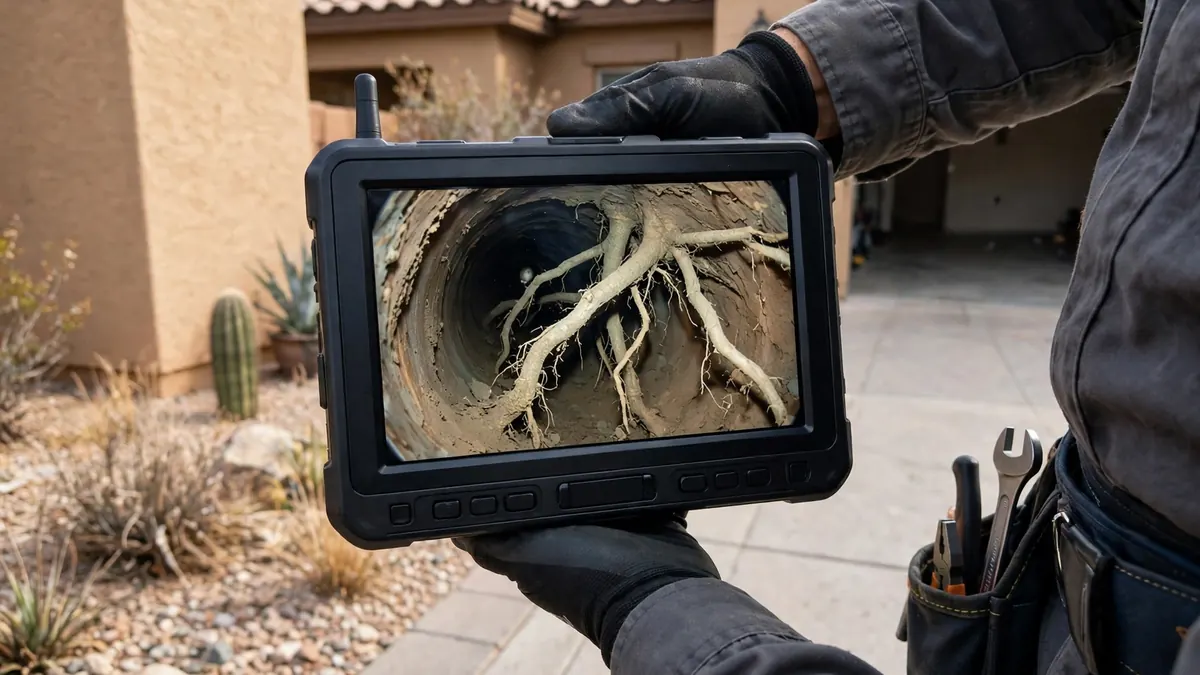
- Get a plumber to find the cause. Ask for a written report naming the blockage location and cause. Camera inspection video of the line is strong evidence.
- Get cleanup started. Most policies expect you to prevent further damage. A restoration crew can extract, remove contaminated materials and start disinfecting and drying.
- Keep disposal records. Contaminated carpet, pad and drywall go out as waste. The crew's photos and list of what was removed and why answer the adjuster's first questions.
- List your damaged belongings. Room by room, with age and what you paid where you know it.
- Keep receipts. Plumbing, hotel nights if you had to leave, and anything you bought for the emergency.
If the cleanup cost looks like it will pass your endorsement limit, tell your adjuster early. You will want to know what is covered before you make decisions about what to replace.
Why do sewer backup claims get reduced or denied?
The most common reasons are that the policy has no backup endorsement, the loss is larger than the endorsement limit, or the carrier decides the damage was gradual, caused by flooding, or made worse by delay.
- No endorsement. The most common one. The base policy exclusion applies.
- Low limit. The claim is paid, but only up to the endorsement amount.
- Gradual leak, not a backup. A cracked drain under the slab that leaked for months is often treated as wear and tear.
- Flood. If outside surface water caused the backup or came in with it, that portion may be excluded without a flood policy.
- Delay. Mold and further damage from a house that sat wet can be cut as secondary damage.
- Missing proof. Contaminated materials thrown away without photos or a written list are hard for an adjuster to price.
If you disagree with a decision, ask the carrier to explain it in writing and point to the policy language it relied on. You can send the plumber's report, photos and crew records in support, and ask your agent how your carrier's review process works. Some homeowners also hire a public adjuster for larger claims. That is your decision, and we do not recommend any one.
How can you lower the chance of a sewer backup?
Most backups start in the lateral, so keeping that line clear does the most good. Insurance pays for damage after the fact. Prevention keeps it from happening.
- Keep grease out of the kitchen sink. Wipe pans and toss the grease in the trash.
- Do not flush wipes, even ones labeled flushable.
- Watch for slow drains in several fixtures at once, gurgling toilets when the washer drains, or a sewage smell in the yard. These are early signs of a lateral problem.
- Ask a plumber to camera the line if you have large trees near it. In dry ground, roots go looking for water and find sewer joints.
- Know where your cleanout is. It is usually a capped pipe near the house or by the front walk.
- Consider a backwater valve if your home is low on the street or has backed up before.
If sewage is already in your home, keep everyone out of it and get it cleaned up properly. The restoration companies we work with handle Category 3 cleanup, documentation for your adjuster and drying across Casa Grande and nearby Pinal County. To reach a local crew, call (520) 380-1551. The line is open 24/7.
Questions homeowners ask
Is sewer backup covered by standard homeowners insurance in Arizona?
How much sewer backup coverage should I buy?
Does the endorsement pay to fix the sewer line?
Will the city pay if its sewer main backed up into my house?
Is a toilet overflow the same as a sewer backup for insurance?
More from the blog
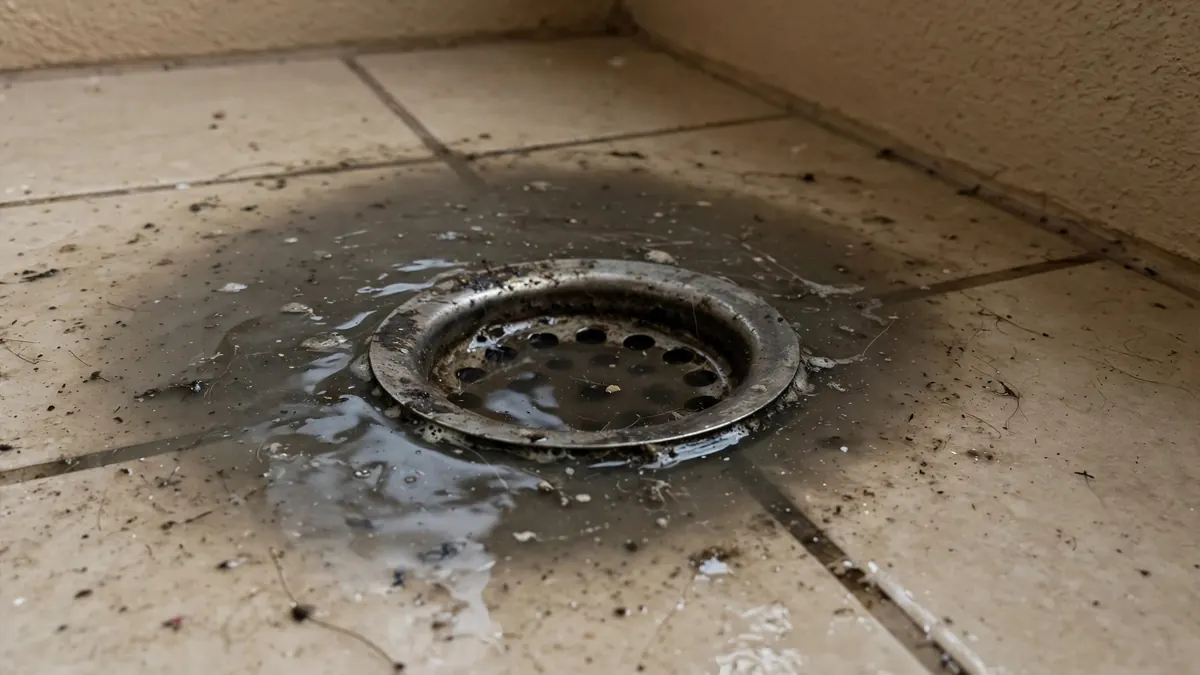 SewageSewage backup in your house: why it's a biohazard and what to doA sewage backup is a biohazard because raw sewage is Category 3 water that carries bacteria, viruses and parasites from human waste. Get people and pets...
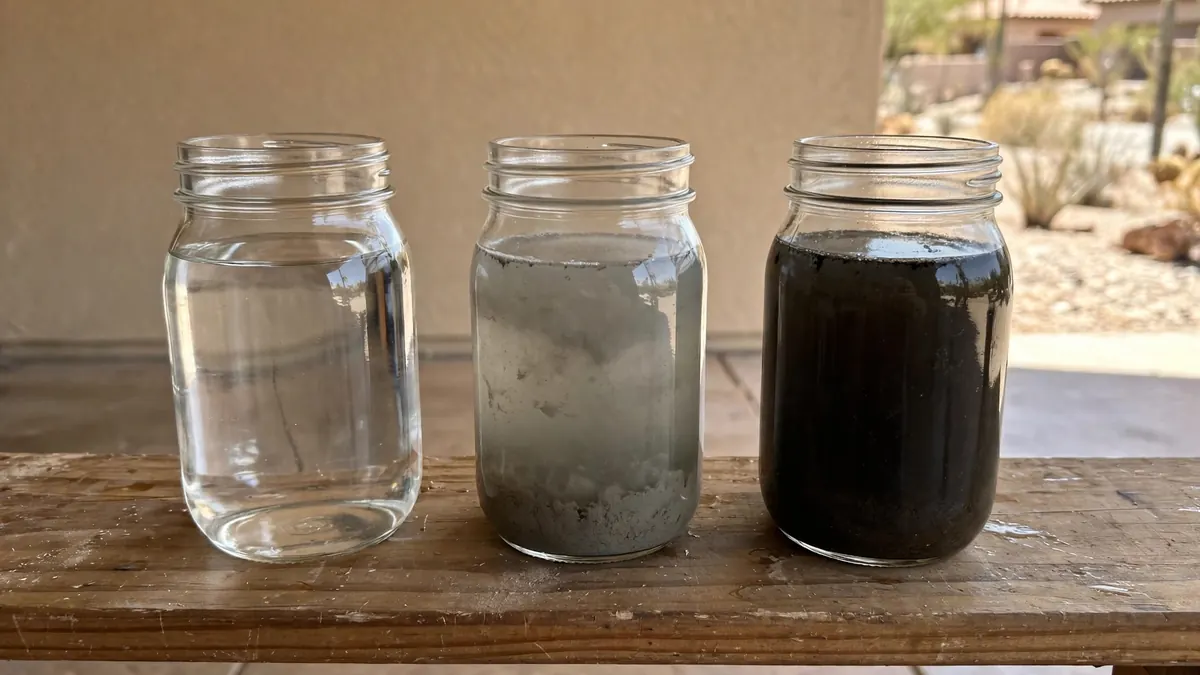 SewageCategory 1, 2 and 3 water: what the restoration terms meanWater categories describe how contaminated the water is. Category 1 is clean water from a supply line, Category 2 is gray water with some contamination, like...
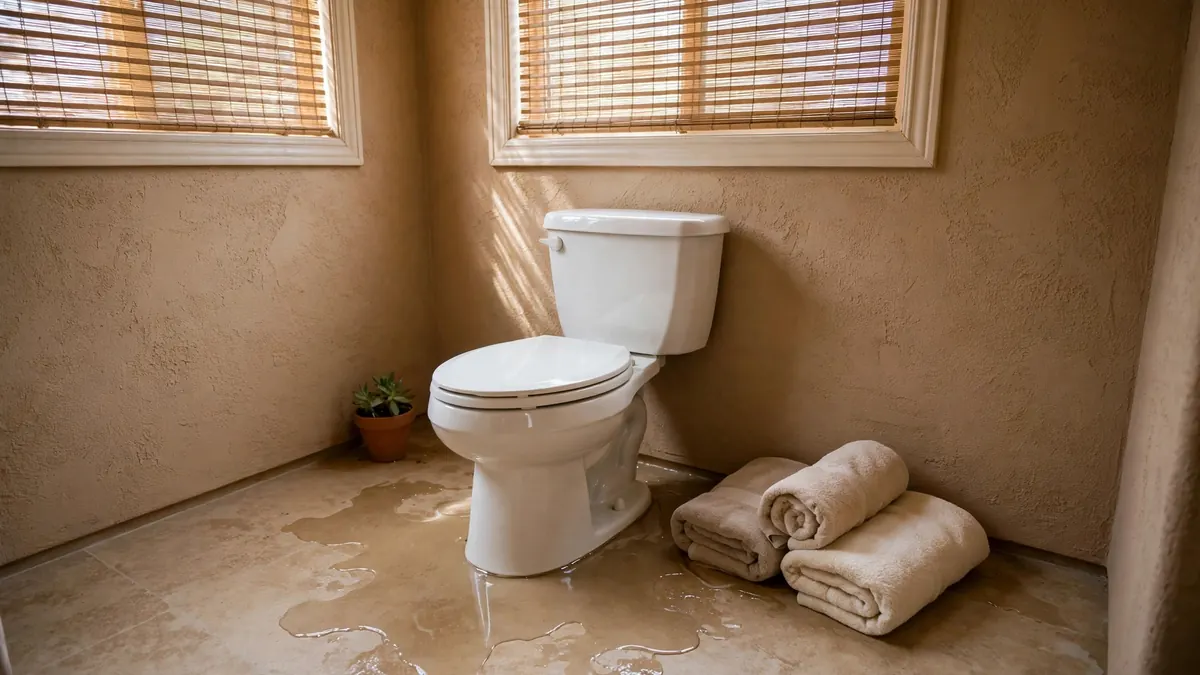 SewageToilet overflow: clean water vs contaminated water and what to doWater from the toilet tank or supply line is clean. Water that came out of the bowl is contaminated, and water with waste in it is...
Need help with damage right now?
Speak to a local restoration specialist on the 24/7 line, any time of day.
Call (520) 380-1551When you call: enter your ZIP code, then press 1 for water damage, 2 for fire damage or 4 for sewage backup.