Home › Blog › Why household fans can't dry water damage
Why household fans can't dry water damage
Household fans move water from wet materials into the room air, but nothing removes it from the air, so it soaks back into the house. They also cannot reach water inside walls, under tile, or in the slab. Real drying pairs air movers with dehumidifiers and daily readings, as in structural drying.
In this article
- Why can't household fans dry water damage?
- What actually happens to the water when a fan is running?
- What is the difference between evaporation and dehumidification?
- Why doesn't Arizona's dry air dry the house for you?
- How does water hide where fans can't reach?
- What goes wrong when fans are the only drying?
- When are fans enough on their own?
- What should you do with fans while you wait for a crew?
- Questions homeowners ask
Why can't household fans dry water damage?
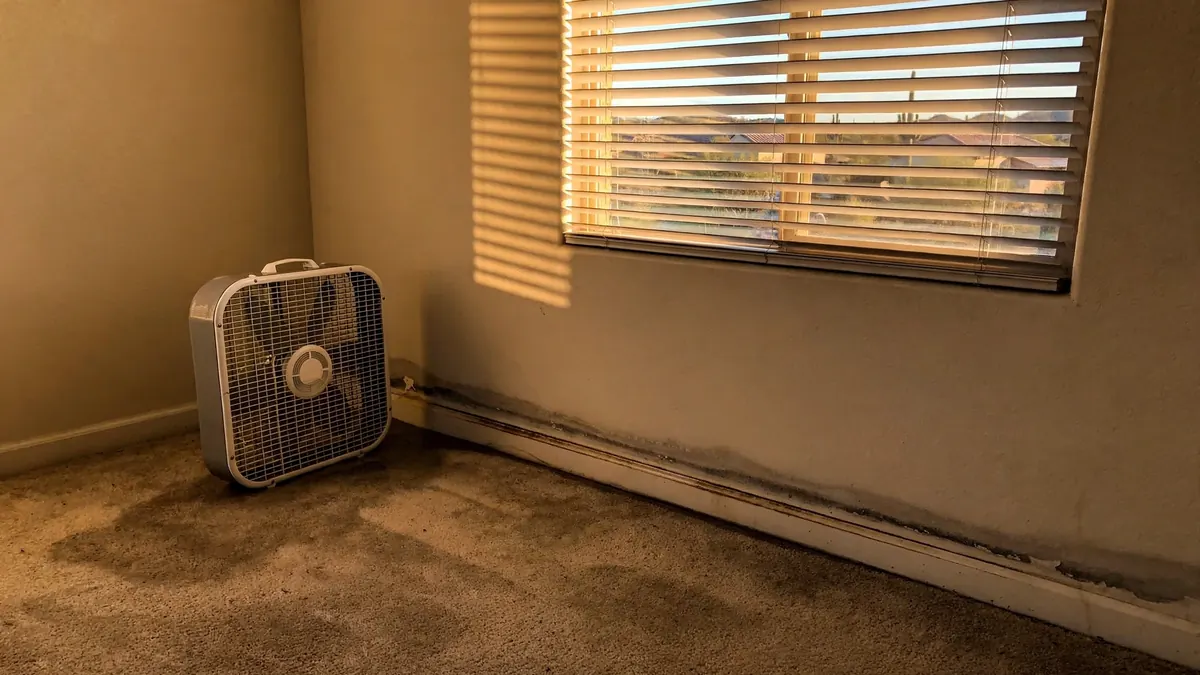
Fans only do half of drying. They move water out of wet materials and into the room air, but nothing takes that water out of the air, so it settles back into drywall, wood and furniture somewhere else. Fans also cannot reach water inside wall cavities, under tile, or deep in the slab.
Think of drying as two steps that have to happen together. First, water has to leave the material and become vapor in the air. That is evaporation. Second, that vapor has to leave the house or be pulled out of the air and drained away. That is dehumidification. A box fan helps with the first step on the surface it points at and does nothing for the second. In a closed house, every gallon it lifts off the carpet is still in the house.
What actually happens to the water when a fan is running?
The fan speeds up evaporation from the surface in front of it, and the room humidity climbs. Once the air near the wet materials gets humid enough, evaporation slows down a lot, even with the fan still running.
Here is the sequence in a typical closed-up room after a supply line leak:
- The first few hours. The carpet face and the painted drywall surface dry quickly. That is the part you can feel, so the fans seem to be working.
- The air loads up. All that evaporated water stays in the room.
- Drying stalls. Wet materials give up water fastest when the air around them is dry. As the room air gets wetter, the difference between the wet drywall and the air shrinks, and the water inside the drywall core, the baseboard and the tack strip comes out more and more slowly.
- The water moves instead of leaving. Moist air drifts into other rooms, closets and the return air path. It soaks into drier materials, including cabinet backs and drywall in rooms that were never wet.
- The surface feels dry, the inside is not. After a few days the fans get turned off because everything looks done. The core of the material is still wet, and that is where mold starts, often within 24 to 48 hours of the water arriving.
What is the difference between evaporation and dehumidification?
Evaporation turns liquid water in a material into vapor in the air. Dehumidification removes that vapor from the air so the air can keep taking on more. You need both running at the same time, or drying stops partway.
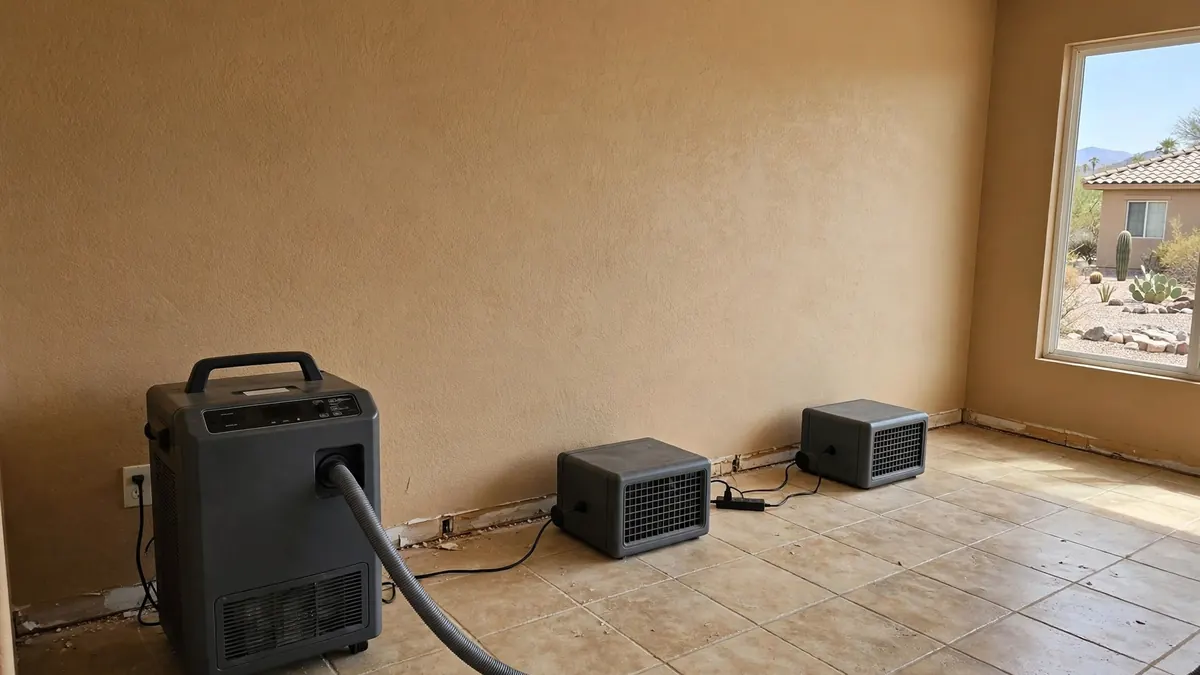
Restoration crews treat the house as a closed system on purpose. Doors and windows stay shut, air movers push air low across wet surfaces, and commercial dehumidifiers pull the water back out and drain it away. The crew compares the air going into and coming out of the dehumidifier to see how much water it is removing. Our page on structural drying in Casa Grande explains that measurement, called grain depression, in more detail.
A household fan is the evaporation half with no partner. A restoration air mover is also only the evaporation half, which is why a crew does not set air movers without dehumidifiers. The equipment works as a pair.
| Equipment | What it does | What it cannot do |
|---|---|---|
| Box fan or ceiling fan | Moves room air, dries the surface it points at | Remove water from the air, or push air into wet materials at floor level |
| Restoration air mover | Blows a fast, low sheet of air along floors and the base of walls | Remove water from the air on its own |
| Home dehumidifier | Pulls some water from the air in one closed room | Keep up with a soaked room, or reach water inside walls |
| Commercial dehumidifier | Removes large amounts of water from the air, around the clock | Reach sealed cavities without air being directed into them |
| Wall cavity and floor drying systems | Force or draw air through cavities, under cabinets, and through tile and wood floors | Work without the dehumidifiers that handle the moisture they release |
Why doesn't Arizona's dry air dry the house for you?
Dry outdoor air helps, but only air that actually reaches the wet material. In most Casa Grande homes, the water that causes damage is somewhere outdoor air never touches: under tile on the slab, inside a wall cavity, or soaked into the bottom plate of the framing.
The dry climate is a real advantage once equipment is running, because dehumidifiers start with drier air. The myth is that you can skip the equipment because it is Arizona. Local details work against that idea:
- Summer heat. From late spring into fall, opening windows means letting air well over 100 degrees into the house. Most people keep the AC running and the house shut, so the moisture the fans lift stays trapped inside.
- The monsoon. From mid-June to the end of September, outdoor humidity rises during storm weeks. Many roof leaks and storm losses happen right when the outdoor air is least helpful.
- Evaporative coolers. On older homes in Casa Grande, Coolidge and Eloy, a swamp cooler cools by adding water to the air. Running one in a house with wet floors works against drying.
- Your AC is not a dehumidifier. Central air does pull some moisture out as it cools, but it is sized to cool the house, not to remove gallons of water from soaked materials.
A simple test: set an inexpensive digital hygrometer in the wet room. If the humidity climbs after you start the fans and stays high, the water is moving into the air and staying in the house.
How does water hide where fans can't reach?
Water wicks. It climbs up drywall from the floor, spreads sideways through carpet pad and under baseboards, and moves under tile along the slab. The visible wet spot is usually smaller than the wet area.
In slab-on-grade homes, which is most of Pinal County, these are the places fan drying misses most often:
- The bottom of the wall. Drywall can wick water a foot or more above a wet floor. Behind it is the bottom plate, a piece of lumber resting on the slab that soaks up water and gives it back slowly.
- Under baseboards and tack strip. Carpet tack strip is wood, and it sits wet against the slab under the carpet edge.
- Under tile and inside the slab. Concrete holds water and releases it slowly, and tile on top acts like a lid. Many newer homes in Villago, McCartney Ranch and Mission Royale sit on post-tension slabs with tile through the main rooms.
- Inside cabinets. Kitchen and bathroom base cabinets have a hollow space under the cabinet floor and behind the toe kick. Water gets in there and has no airflow at all.
Crews reach these spots with small vent holes behind the baseboard, systems that push air into wall cavities and under cabinets, and mats that pull water up through hard floors. Then they confirm with moisture meters.
What goes wrong when fans are the only drying?
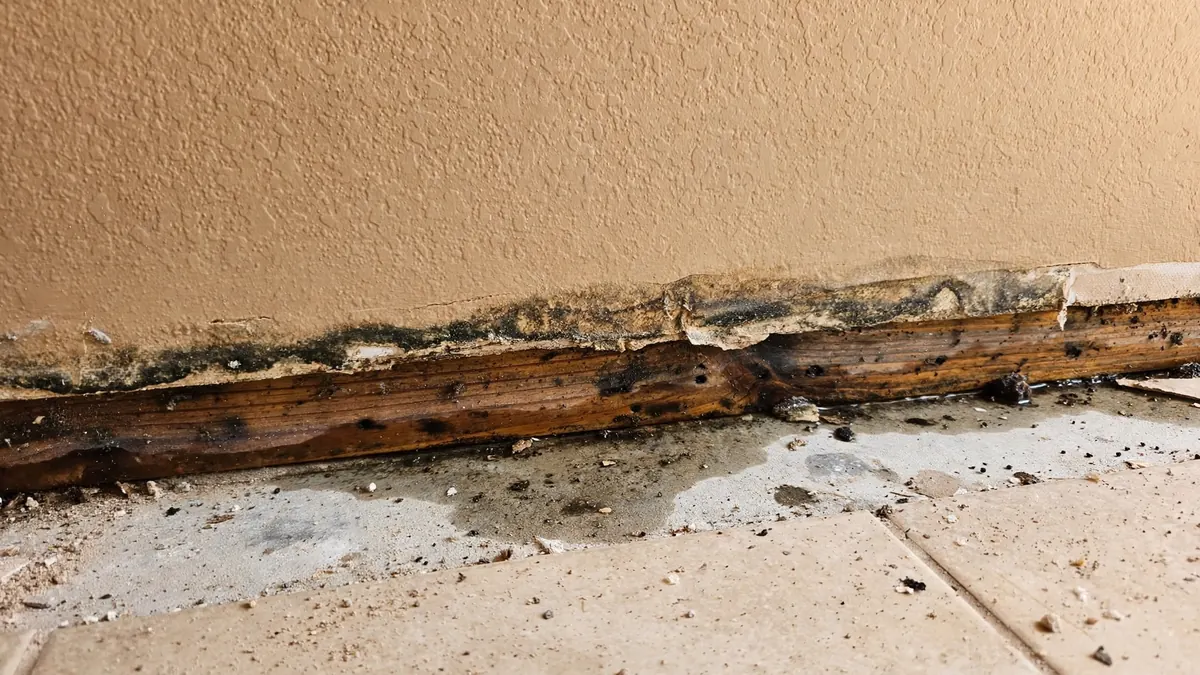
The common results are mold inside the wall, swollen materials, and a bigger repair later than the original leak needed.
- Mold behind the baseboard and drywall. Warm indoor air, a wet bottom plate and no airflow is the classic setup.
- Swollen baseboards and cabinet bases. MDF baseboards and particleboard cabinet boxes soak up water and swell. Once they swell, they rarely go back.
- Cupped flooring and delaminated carpet. Wood and laminate absorb moisture from the slab and change shape, and carpet backing can separate.
- Claim problems. Most standard policies expect you to limit further damage after a sudden leak. Mold or swelling that developed while the house sat damp can be treated as secondary damage, and with fans alone there are no moisture logs to show the home was actually dried.
When are fans enough on their own?
For small, shallow spills of clean water on a hard surface that you wipe up right away, fans are usually fine. Once water has soaked into carpet pad, drywall, cabinets or the area under tile, they are not.
- Fans are usually fine: a glass of water or a small sink splash on tile or vinyl, wiped up in minutes, with nothing touching the base of a wall.
- Fans plus a home dehumidifier may be fine: a small clean-water spill on carpet in one spot, caught right away, where the pad underneath is only damp at the edge.
- You need real drying: water that reached the base of a wall, soaked through carpet to the pad, went under cabinets or tile, came through a ceiling, ran for more than a few minutes, or came from a toilet, drain or outdoors. Water that is not clean also needs cleaning and possibly removal of materials, not just drying.
If you are unsure which group you are in, get moisture readings. The typical drying timeline for a real water loss is several days with equipment running around the clock.
What should you do with fans while you wait for a crew?
Fans can still help in the first hours if you use them well. Point them low at wet surfaces, keep the room closed, and do not treat a dry surface as the finish line.
- Stop the water at the fixture or the main shutoff.
- Take photos and video of the water, the source and every wet room before you move anything.
- Soak up standing water with towels or a wet vac. If the carpet is soaked, read what water extraction for wet carpet involves, since a shop vac leaves most of the water in the pad.
- Move furniture off wet carpet.
- Aim fans at the base of the walls, not at the ceiling.
- Run a home dehumidifier if you have one, with the door closed.
- Turn off an evaporative cooler serving the wet area.
- Do not seal anything back up. Leave baseboards off and do not paint or reinstall until readings say the material is dry.
If water has reached walls, cabinets, or the area under tile, call (520) 380-1551. The line is open 24/7 and connects you with a local restoration crew in Casa Grande and nearby Pinal County towns that can set commercial drying equipment and log moisture readings each day until the home reads dry.
Questions homeowners ask
Can I dry water damage with fans and open windows in Arizona?
Does a home dehumidifier make fan drying work?
How long should I run fans after a leak?
Is a restoration air mover just a bigger fan?
More from the blog
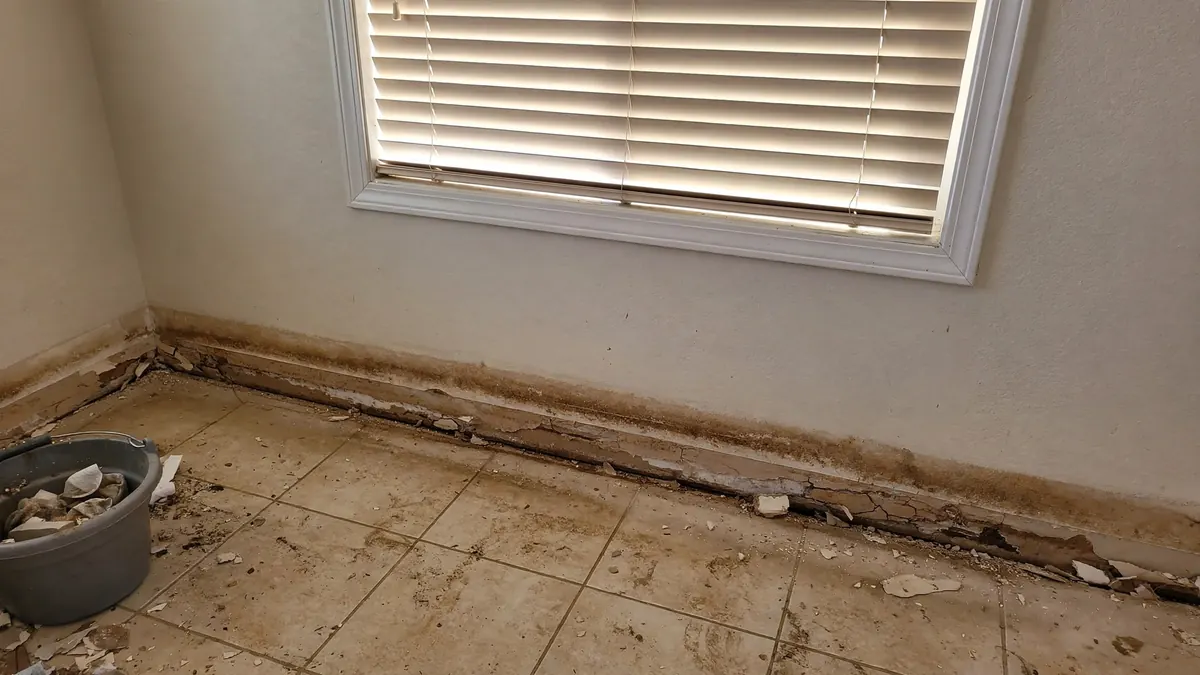 Drying & MoldCan wet drywall be saved?Wet drywall can usually be saved if it was soaked by clean water, drying starts within a day or two, and the board is still firm....
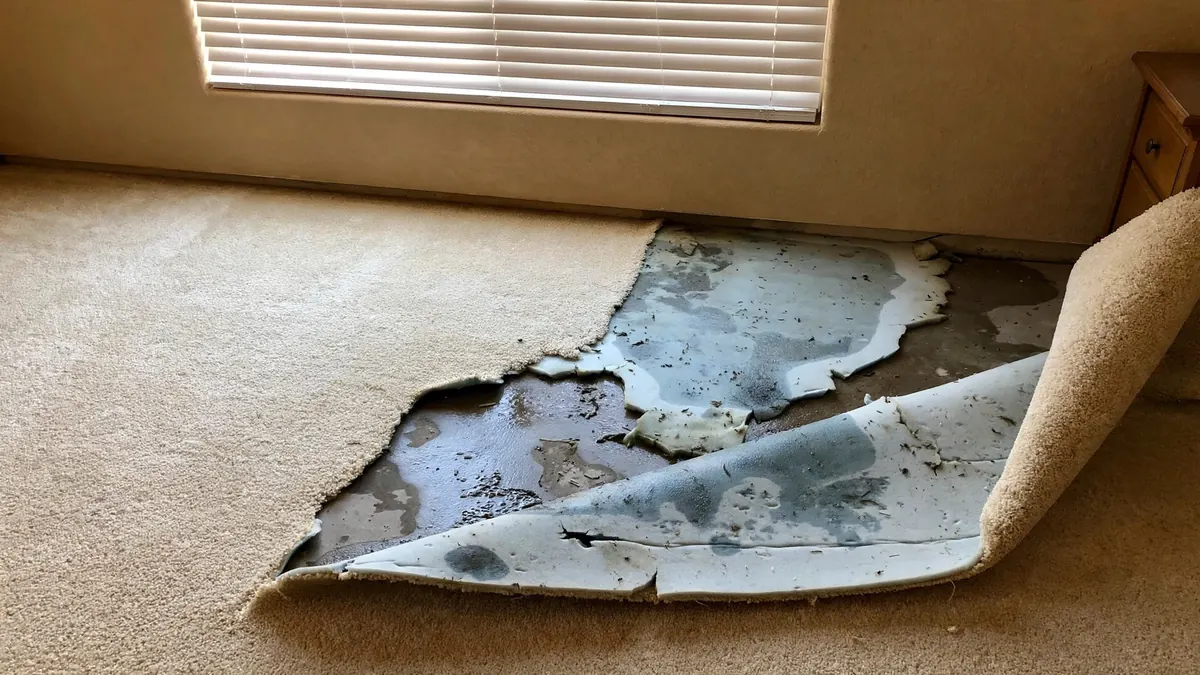 Drying & MoldWet carpet: when it can be saved and when the pad must goWet carpet can usually be saved if the water was clean and extraction starts within a day or two, before the backing separates. The pad underneath...
 Drying & MoldHow fast mold grows after a leak in Arizona heatMold can start growing within 24 to 48 hours once drywall, wood, carpet pad, or insulation stays wet, even in dry Arizona. Visible spots and a...
Need help with damage right now?
Speak to a local restoration specialist on the 24/7 line, any time of day.
Call (520) 380-1551When you call: enter your ZIP code, then press 1 for water damage, 2 for fire damage or 4 for sewage backup.