Home › Blog › Musty smell in the house but no visible mold
Musty smell in the house but no visible mold
A musty smell with no visible mold usually means moisture is hidden inside a wall, under a sink, beneath flooring, or in the AC or cooler. Find where the smell is strongest, check that spot with a moisture meter, and rule out laundry and dry drains. See the signs of hidden water damage.
In this article
- Why does my house smell musty when I can't see any mold?
- How do you find where a musty smell is coming from?
- Where should you look first in an Arizona home?
- Can the AC or a swamp cooler cause a musty smell?
- What other things smell musty but are not hidden mold?
- How can you check for moisture yourself?
- Is a musty smell dangerous?
- When should you call for a moisture check?
- Questions homeowners ask
Why does my house smell musty when I can't see any mold?
A musty smell with no visible mold usually means moisture and mold growth are somewhere you cannot see, such as inside a wall, under a sink cabinet, beneath flooring, or in the AC system. Mold and bacteria give off odor compounds as they grow, and you can smell them well before any spot shows on a surface.
Not every musty smell is hidden mold. Damp laundry, a dirty AC drain pan, old evaporative cooler pads, or a dry drain trap can all smell stale. The way to sort it out is to find where the smell is strongest, check that area for moisture, and work outward. The smell is a clue to a location. Moisture is what you are really looking for.
How do you find where a musty smell is coming from?
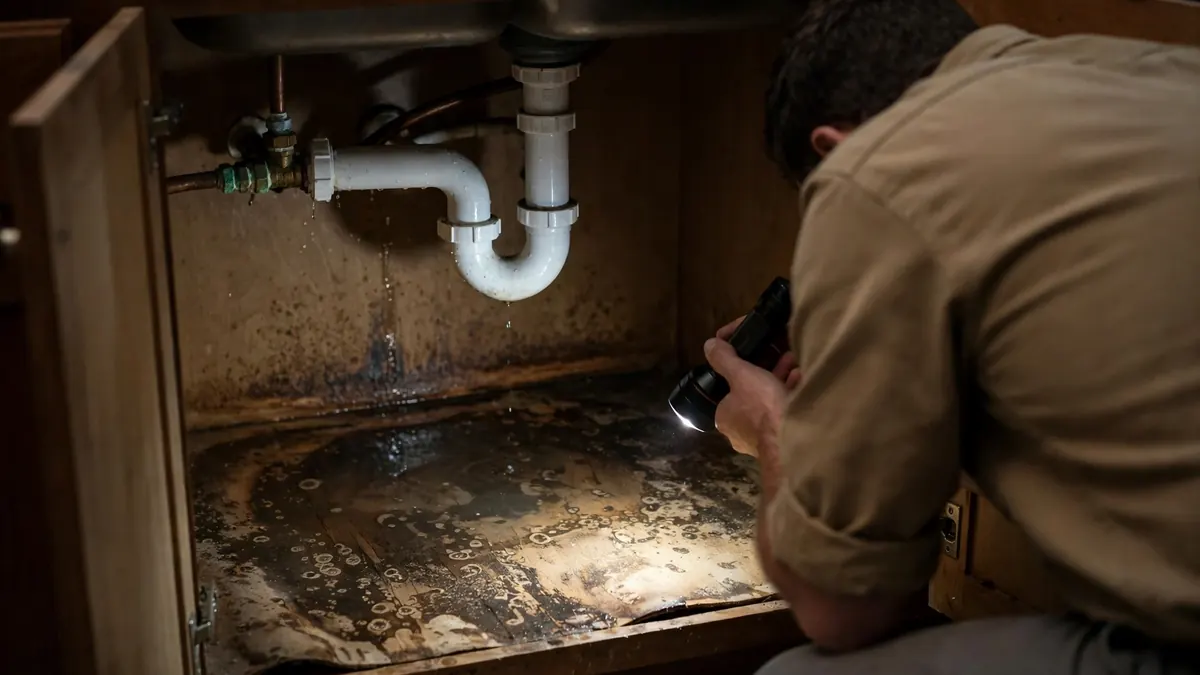
Use your nose in a closed house, room by room, then get close to the likely spots. The smell is almost always strongest within a few feet of the source, and it is often stronger low to the ground or inside closed cabinets and closets.
- Start fresh. Go outside for 10 or 15 minutes so your nose resets, then come back in. People who live with a smell stop noticing it.
- Keep the house closed. Turn off fans and the evaporative cooler for an hour or so. Moving air spreads the smell and makes it harder to place.
- Walk the house slowly. Note which rooms smell strongest. Kneel down near baseboards, since damp air from a wet floor or wall bottom stays low.
- Open closed spaces one at a time. Sink cabinets, closets, the AC closet, the water heater closet and the laundry cabinet hold odor. A strong whiff when you open a door is a good clue.
- Smell outlets and gaps. Stale air can come out of electrical outlets, gaps around pipes under sinks, and the edges of baseboards when a wall cavity is damp.
- Write it down. Note the room, the spot, the time of day and whether the AC or cooler was running. Patterns matter.
Where should you look first in an Arizona home?
Start where water lives: sink cabinets, the AC closet or attic air handler, around toilets, the laundry area, the water heater, and any evaporative cooler. In slab homes, also check the bottom of walls and flooring next to bathrooms and the kitchen.
| Location | What to check | What it suggests |
|---|---|---|
| Kitchen and bathroom sink cabinets | Soft or swollen cabinet floor, stains, damp supply lines, a drip at the drain | Slow supply or drain leak under the sink |
| Behind the dishwasher and refrigerator | Toe kick swelling, dark flooring edges, ice maker line | Slow appliance leak at the floor |
| Around toilets | Rocking toilet, stained grout at the base, soft floor | Leaking wax ring or supply line |
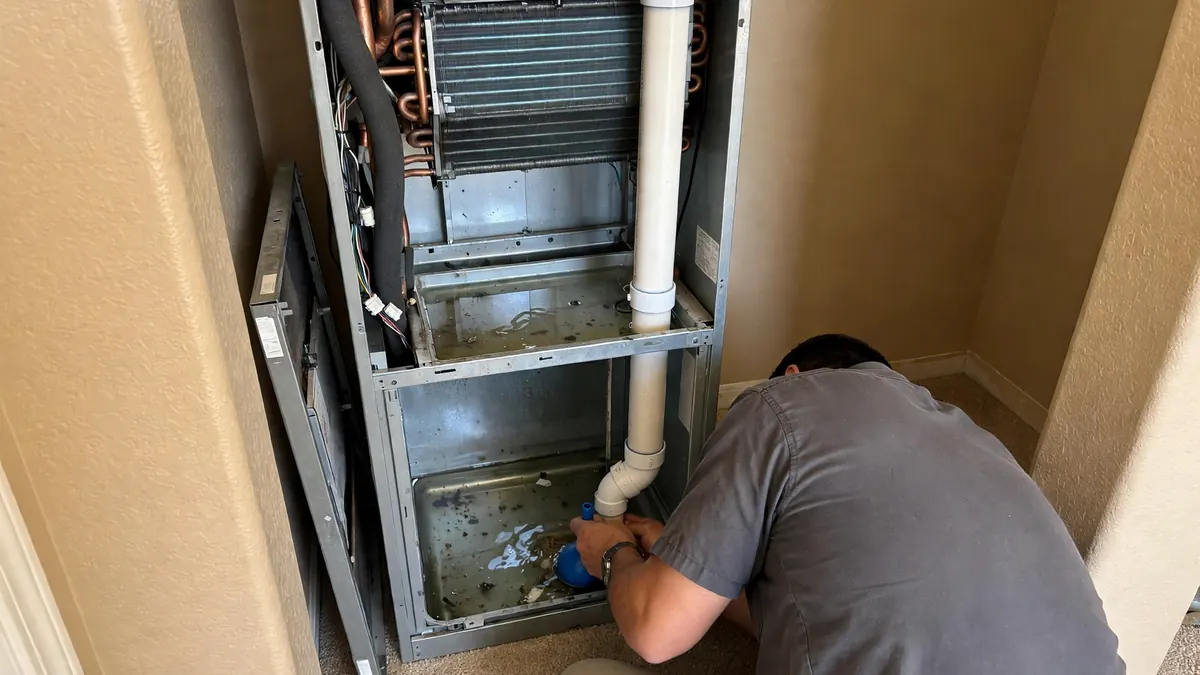
| AC closet or attic air handler | Water in the pan, rust, a clogged condensate line, damp insulation | Condensate overflow or a dirty coil and pan |
| Evaporative cooler and its duct | Old pads, standing water, scale, damp ceiling around the vent | Cooler water and humidity in the house |
| Laundry area | Hoses, drain box, wall behind the washer | Hose or drain leak, or damp laundry |
| Water heater closet | Pan, base of the tank, the wall behind it | Slow tank or fitting leak |
| Exterior walls near sprinklers | Damp baseboard, bubbling paint near the floor | Irrigation or rain water against the stem wall |
| Closets on exterior or bathroom walls | Carpet edge, back wall at floor level | Water traveling through the wall or slab |
For more on what each warning sign points to, from stains to warped floors, see our guide to the signs of hidden water damage.
Can the AC or a swamp cooler cause a musty smell?
Yes, and in Casa Grande they are two of the most common causes. An AC system makes water every time it cools, and an evaporative cooler runs on water, so both can grow mold or bacteria and push the smell through the whole house.
Central air
The indoor coil pulls moisture from the air all summer and drains it through a pan and a small condensate line. If the line clogs with dust or algae, water sits in the pan, and if the pan overflows, it soaks the closet floor, the wall or the ceiling below an attic unit. A musty smell that shows up when the AC starts, or that is strongest at the return grille or the air handler closet, points here. Our page on AC condensation water damage covers how those leaks spread.
Evaporative coolers
Older homes in Casa Grande, Coolidge and Eloy often still use a roof-mounted cooler. Pads that are old or caked with scale, a pan with standing water, or a float valve that lets the pan overflow can all make the house smell like a damp basement. Coolers also raise indoor humidity, which helps any hidden damp spot grow. A smell that starts when the cooler runs and fades when it is off is a strong clue.
What other things smell musty but are not hidden mold?
Several everyday sources smell musty or stale without any water damage. Rule these out before assuming a leak, but do not let them talk you out of a moisture check if the smell stays.
- Dry drain traps. A shower, tub or floor drain that has not been used for weeks can lose the water in its trap and let sewer gas in. That smell is usually more like sewage or rotten eggs. Running water for a minute in each drain refills the trap. This is common in snowbird homes in Robson Ranch and Mission Royale after a summer away.
- Laundry and towels. Clothes left in the washer, damp towels in a hamper, or a front-loader door gasket can smell strongly.
- Dishwasher filter and refrigerator drip pan. Food residue and standing water in these spots can sour.
- Old carpet and pad. Carpet that got wet once, or has pet accidents in the pad, can smell musty when the humidity rises.
- Closed-up house. A home sealed for months with the AC set high or off can smell stale even with no leak, but it is also exactly when a slow leak goes unnoticed.
How can you check for moisture yourself?
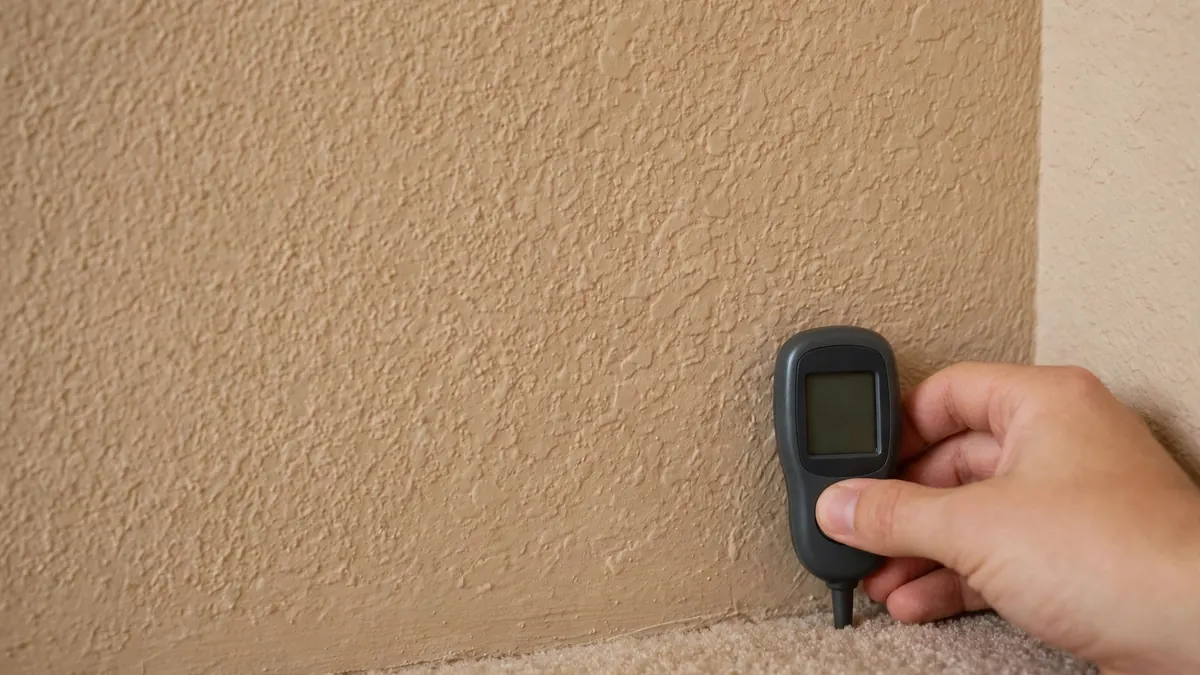
A simple moisture meter and a digital hygrometer, both inexpensive at a hardware store, will tell you more than a mold test kit. Look for spots that read higher than the same material elsewhere in the house, and for indoor humidity that stays higher than it should.
- Moisture meter. Read the bottom few inches of walls near the smell, the cabinet floors under sinks, and baseboards. Compare each reading to the same material in a room that smells fine. A clear jump is worth following.
- Hygrometer. With the AC running, indoor air in a Casa Grande summer usually stays fairly dry. A room that holds noticeably higher humidity than the rest of the house has a moisture source.
- Water meter test. Turn off every fixture and watch the leak indicator on the meter at the curb. If it moves, water is going somewhere, which can mean a slab leak or a hidden line.
- Look with a flashlight. Check the back corners of cabinets, the floor under the water heater and the AC pan for staining, rust or water lines.
Skip the home mold test kits as a first step. Mold spores are present in almost every home, so a dish that grows something does not tell you where the problem is. Finding the moisture source does.
Is a musty smell dangerous?
The smell itself is a sign, not the hazard. The concern is ongoing moisture and mold growth, which can irritate eyes, nose and lungs, especially for people with asthma or allergies, and which keeps damaging drywall, wood and flooring the longer it goes on.
Mold can begin growing on wet drywall and framing within 24 to 48 hours, and hidden moisture stays wet much longer than an open spill because it never gets airflow. If anyone in the house has breathing problems that seem worse at home, take the smell seriously and talk to a doctor about health concerns. On insurance, mold from a slow leak is often limited or excluded on standard policies, and many carry caps on mold coverage, so check your policy and act early rather than waiting for visible growth.
When should you call for a moisture check?
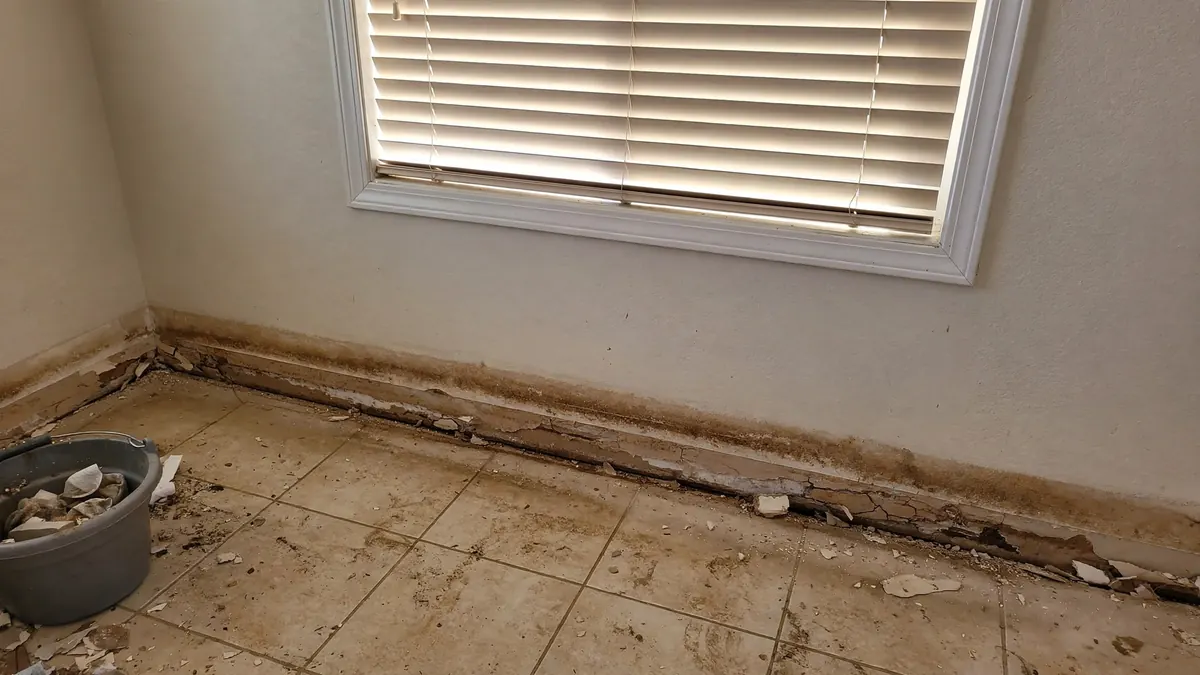
Call when the smell stays for more than a few days after you have ruled out laundry, drains and the cooler pads, when a meter shows a damp spot, or when you see any physical sign near the smell, such as swollen baseboards, bubbling paint or soft cabinet floors.
- The smell is strongest at one wall, closet or cabinet and does not go away.
- It gets stronger when the AC or cooler runs.
- Your water meter moves with everything off.
- You recently had a leak, overflow or monsoon water and dried it with fans only.
- You are returning to a seasonal home that was closed all summer.
A restoration crew can check walls and floors with moisture meters and a thermal camera without opening them up, and only remove materials where readings show water. If growth is already there, our page on mold remediation in Casa Grande explains what the cleanup involves. To have a musty room checked, call (520) 380-1551. The line is open 24/7 and connects you with a local restoration crew in Casa Grande, Coolidge, Eloy and nearby Pinal County towns.
Questions homeowners ask
Can you have mold without seeing it?
Why does my house smell musty only when the AC turns on?
Why does my house smell musty after being closed for the summer?
Should I use a mold test kit?
More from the blog
 Drying & MoldCan wet drywall be saved?Wet drywall can usually be saved if it was soaked by clean water, drying starts within a day or two, and the board is still firm....
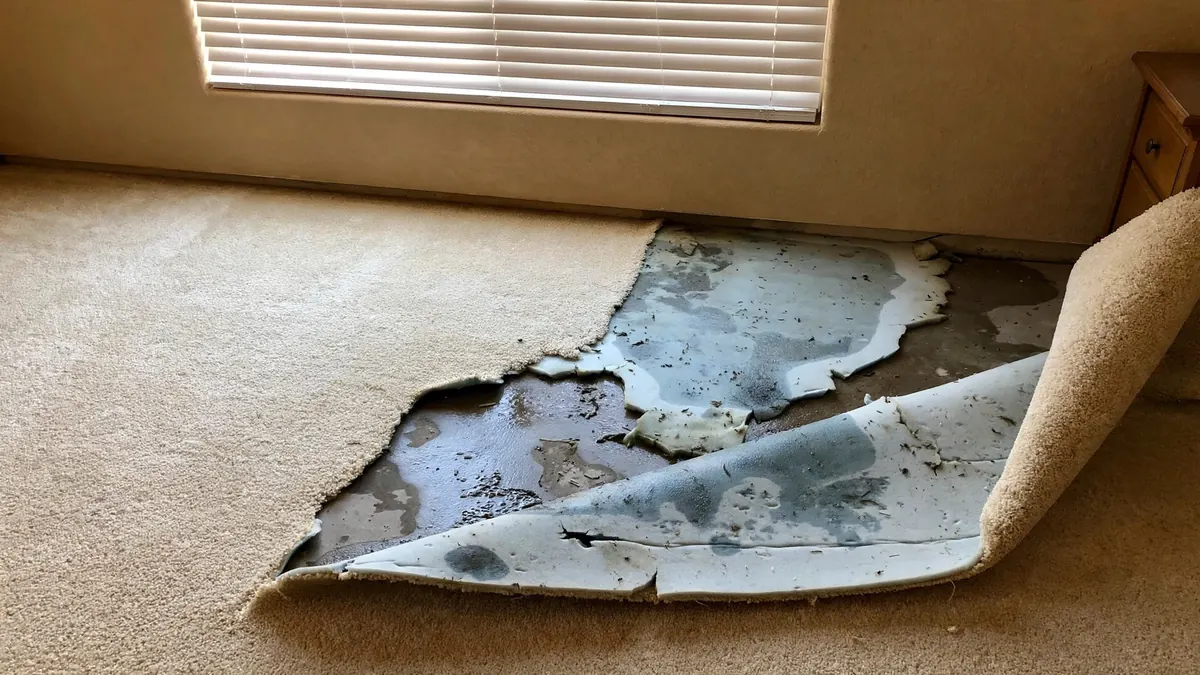 Drying & MoldWet carpet: when it can be saved and when the pad must goWet carpet can usually be saved if the water was clean and extraction starts within a day or two, before the backing separates. The pad underneath...
 Drying & MoldHow fast mold grows after a leak in Arizona heatMold can start growing within 24 to 48 hours once drywall, wood, carpet pad, or insulation stays wet, even in dry Arizona. Visible spots and a...
Need help with damage right now?
Speak to a local restoration specialist on the 24/7 line, any time of day.
Call (520) 380-1551When you call: enter your ZIP code, then press 1 for water damage, 2 for fire damage or 4 for sewage backup.