Home › Mold Remediation
Mold Remediation in Casa Grande, AZ
Dry climate or not, mold takes hold within a day or two when a leak leaves moisture behind a wall or under tile. We connect you with IICRC-certified crews who contain the area, filter the air, remove what is affected, and dry it right.
Mold remediation in Casa Grande is the safe removal of mold and the moisture that feeds it. A certified crew seals off the area, runs HEPA filtration, takes out affected drywall or flooring, scrubs the air, and dries the space until it stays dry. Most local mold traces back to a leak or AC condensation nobody caught in time. Call (520) 380-1551 for 24/7 help.
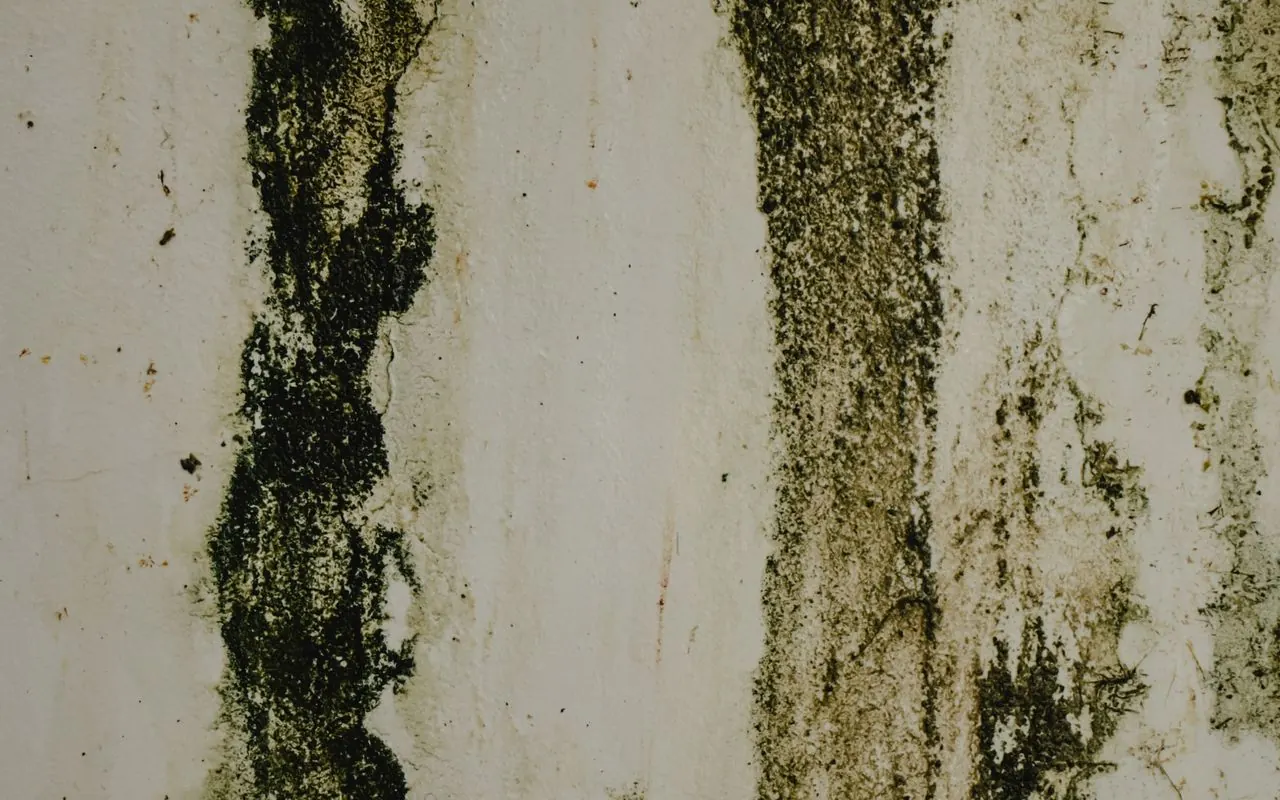
How mold gets started in a dry-climate home
People are surprised that mold happens in Casa Grande at all. The desert air is dry, and surfaces you can see stay dry. The problem is the moisture you cannot see. Once water gets into a wall cavity, under a tile floor, or above a ceiling, it does not evaporate the way a spill on the counter does. It sits in the dark, and that is all mold needs.
The common starting points here look like this:
- Slab leaks. Casa Grande's very hard water corrodes copper, and a pinhole under a post-tension slab can wet the subfloor and lower drywall for weeks before the warm spot or high water bill gives it away.
- AC condensation. The cooling season here runs long and hot. A clogged condensate line or a cracked drain pan drips into a closet or ceiling all summer, and by fall there is growth.
- Monsoon intrusion. From mid-June through September, sudden downpours push water through roof penetrations and low doorways. What looks like a stain that dried can still be wet inside the assembly.
- Supply and appliance leaks. A slow drip under a sink or behind a dishwasher keeps the cabinet base and wall damp long enough for mold to set in.
The remediation process, step by step
Real remediation is not spraying bleach on a stain. The goal is to remove the mold, capture the spores so they do not spread to clean rooms, and fix the moisture so it does not come back. A certified crew works in this order:
- Assessment. The crew finds the moisture source and maps how far the mold and dampness have traveled, using moisture meters inside walls and under floors.
- Containment. Plastic sheeting and negative air pressure seal the work area so spores stay put instead of drifting into the rest of the house through the HVAC.
- HEPA filtration and air scrubbing. Air scrubbers with HEPA filters pull spores out of the air the whole time the work is going on.
- Removing affected material. Drywall, insulation, carpet pad, and other porous material that mold has grown into cannot be cleaned, so it comes out and is bagged for disposal.
- Cleaning and treating. Framing and hard surfaces are HEPA vacuumed, wiped, and treated so any remaining spores cannot regrow.
- Drying. Air movers and dehumidifiers bring the structure back down to a normal moisture level, because mold that is only killed but left in a wet wall will simply return.
Once the moisture is gone and readings are back to normal, rebuild can start. For the drying phase in detail, see our page on structural drying and dehumidification.
What containment and HEPA equipment actually do
Mold reproduces with spores, microscopic seeds light enough to float on ordinary room air. A patch of growth on drywall holds millions of them. Cut into that drywall, or even brush against it, and the spores go airborne, and normal air currents carry them into rooms that were clean. Almost every piece of equipment on a remediation job exists for that one reason: keep the spores in one place, then pull them out of the air.
Containment is the barrier itself. The crew seals the work area with plastic sheeting, tapes off doorways, and covers the HVAC vents so the air handler does not push spores through the ducts to the rest of the house. Then the sealed area goes under negative air pressure. A machine pulls slightly more air out of the space than leaks back in, so air always moves into the containment and never out of it. You can usually see it working, because the plastic bows gently inward. Without negative pressure, a sealed room pushes contaminated air out through every gap each time someone opens the door.
The air that gets pulled out passes through HEPA filtration. A HEPA filter traps particles down to 0.3 microns, which is smaller than a mold spore, so the air leaving the machine is cleaner than the air that went in. Air scrubbers use the same filters inside the containment, cycling the room air over and over during the work and for a while after it is finished.
Porous material that mold has grown into comes out. Drywall, insulation, carpet pad, ceiling tile, and particleboard have an open structure that the growth roots into, so wiping the surface leaves the mold behind. Hard, non-porous surfaces are a different story. Framing lumber, concrete, and metal get HEPA vacuumed, which captures loose spores instead of blasting them around the room the way a shop vac would, then they are wiped down and treated with an antimicrobial so anything left behind cannot regrow. That treatment is a finishing step, not a shortcut. Spraying antimicrobial on moldy drywall instead of removing the drywall solves nothing.
One thing worth clearing up, because it changes what you need. Mold and mildew are not the same problem. Mildew is a surface growth, flat and usually gray or white, and it lives on shower tile, grout, and window sills where a household cleaner takes it off. Mold grows into the material, often looks fuzzy and green, black, or brown, and it means something behind that surface has been wet long enough to feed it. Mildew in a Casa Grande shower is a cleaning job. Mold on a wall after a slab leak is not, because the water that caused it is still somewhere.
Local tip: if you had a slab leak or a water heater fail and the floor "seemed to dry on its own," check the baseboards a few weeks later. In Casa Grande homes the tile can feel dry on top while the drywall behind the baseboard is still holding water and starting to smell. A quick moisture check settles it.
Health considerations
Mold is not something to panic over, but it is not something to live with either. For most healthy people the main effects are allergy-type symptoms: a stuffy nose, itchy eyes, coughing, or a scratchy throat that gets worse indoors and eases when you leave. People with asthma, allergies, or weaker immune systems can react more strongly. Babies and older adults are more sensitive too. The safe approach is to fix the moisture and remove the growth rather than trying to guess which type it is. Containment matters here, because disturbing mold without sealing the area can spread far more spores through the home than leaving it alone would.
When insurance covers mold
Coverage usually comes down to how the mold started. If it grew from a sudden, accidental event, a burst supply line, a failed water heater, an overflowing appliance, a standard Arizona homeowners policy often covers the cleanup. Mold from a leak you knew about and let go, or from long-term humidity and neglect, is usually excluded. Many policies also cap mold coverage at a set dollar figure even when it is covered, so the amount can be limited. Crews document the moisture source and the extent the way adjusters expect, which helps the claim. If the mold came from a plumbing failure, our pages on water damage restoration and slab leak repair cover what to do about the source itself.
How fast does mold grow after a leak?
Is mold from a leak covered by insurance?
Can I remove mold myself?
What are the signs of hidden mold?
Why does the work area have to be sealed off?
What is the difference between mold and mildew?
Smell mold or found a stain in your Casa Grande home?
The longer moisture sits, the more has to come out. Reach a certified restoration specialist any time, day or night.
Call (520) 380-1551