Home › Blog › Ceiling water stain: what it means and when to worry
Ceiling water stain: what it means and when to worry
A ceiling water stain means water soaked through the drywall from above and dried, leaving a ring. Find out first if it is active: a stain that grows, feels damp, or returns after rain or a shower is still leaking. Roof leaks, attic AC lines, coolers and bathrooms above are the usual sources. See ceiling water damage.
In this article
- What does a water stain on the ceiling mean?
- How can you tell an old ceiling stain from an active leak?
- What do the shape and location of a stain tell you?
- What do the colors of a ceiling stain mean?
- When should you worry about a ceiling stain?
- Why are Arizona attics a common source of ceiling stains?
- Can you just paint over a ceiling water stain?
- Will insurance cover a ceiling water stain?
- What should you do about a ceiling stain today?
- Questions homeowners ask
What does a water stain on the ceiling mean?
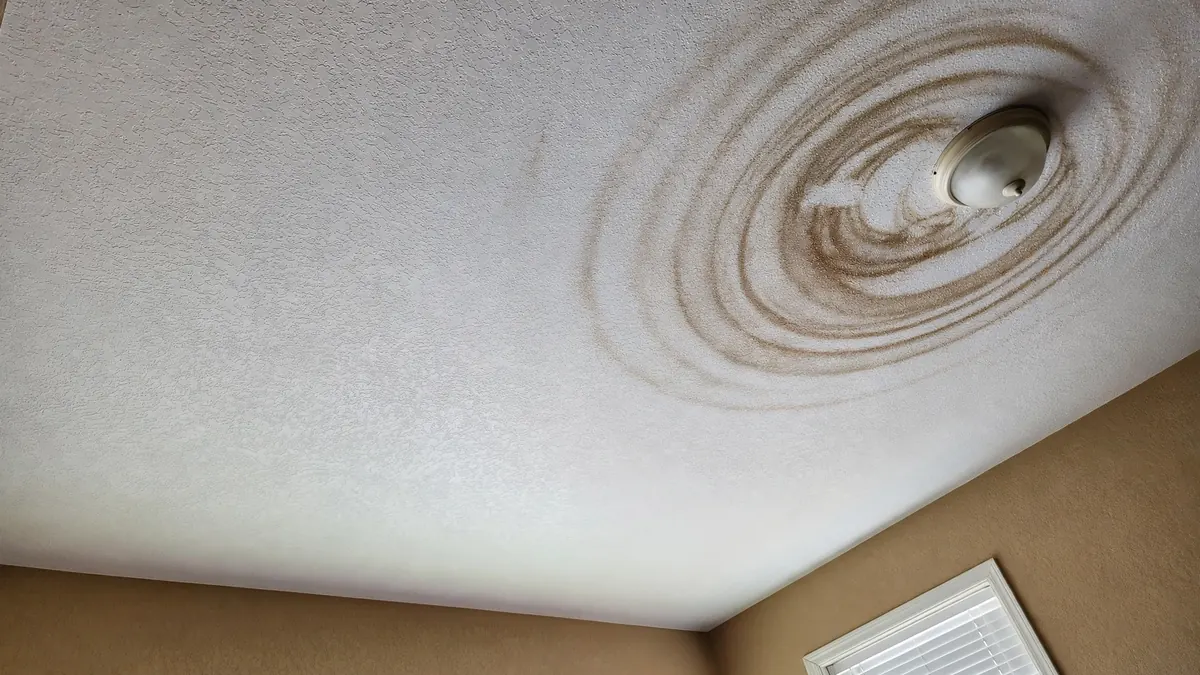
A ceiling water stain means water reached the back of the drywall from above, soaked through, and dried, leaving the dust and minerals it carried behind as a ring. It tells you water got there at least once. It does not tell you whether the leak is still active, which is the first thing to find out.
In Casa Grande homes, the water usually comes from one of a few places: the roof, an air handler or condensate line in the attic, a roof-mounted evaporative cooler, or a bathroom or laundry on the floor above in a two-story home. The shape, color and location of the stain, plus the timing of when it showed up, narrow it down before anyone climbs into the attic.
How can you tell an old ceiling stain from an active leak?
An active leak keeps changing. The stain grows, darkens, feels damp or soft, or reappears after rain or after a fixture upstairs runs. An old stain stays the same size and color for weeks and reads dry on a moisture meter.
You can check this yourself over a few days:
- Mark the edge. Trace the outline of the stain lightly with a pencil and write the date next to it. Look again in two or three days and after the next rain.
- Touch carefully. Press gently with a flat hand at the edge of the stain, not in the center. Damp drywall feels cool, and soft drywall gives. If it is sagging, do not touch it at all.
- Take a photo with a ruler or tape measure in the frame.
- Run the likely source. If there is a bathroom above, run the shower for ten minutes and fill and drain the tub. Then check the stain.
- Check after the AC runs hard. On a hot afternoon, an attic condensate problem often shows up as a fresh damp spot or a drip.
- Use a meter if you have one. An inexpensive moisture meter will show whether the stained area reads higher than a dry part of the same ceiling.
A stain with several rings, like a tree stump, usually means water came through more than once and dried in between. That is common with roof leaks that open up only during monsoon cells and with condensate pans that overflow on the hottest days.
What do the shape and location of a stain tell you?
Location and shape are the best clues to the source. Water above a ceiling runs along framing, ducts and the top of the drywall before it soaks through, so the stain can be a few feet from where the water got in, but the pattern still points in a direction.
| What you see | Likely source | What to check |
|---|---|---|
| Stain near an outside wall that shows up during or after rain | Roof leak at flashing, a valley, or a scupper on a flat roof | Roof edge and parapet above that spot, attic insulation near the wall |
| Stain under or near a roof vent, plumbing vent or cooler | Leaking roof penetration or an evaporative cooler overflow | The roof jack, vent boot and cooler pan from the attic side |
| Stain near the AC return or a hallway closet in summer, often in dry weather | Attic air handler, clogged condensate line or rusted pan | The pan under the air handler, the condensate line and float switch |
| Ring or dark halo around a supply register | Condensation on the duct or register, or dust carried by air | Duct insulation in the attic, whether the ring is damp or just dirty |
| Stain under an upstairs bathroom, worse after showers | Shower pan, tub drain, toilet wax ring or supply line | Caulk and grout upstairs, run each fixture one at a time |
| Stain under an upstairs laundry or near a water heater closet | Washer hose, drain box, or water heater pan | Hoses and the drain pan under the machine or heater |
| Long narrow stain following a line across the ceiling | Water running along a rafter, truss or pipe before dropping | Follow the line uphill in the attic to the entry point |
Timing matters as much as shape. A stain that appears in July after a hard storm points to the roof first. The same kind of stain in dry weather under a bathroom points to plumbing. Our page on ceiling water damage in Casa Grande covers how a crew handles each of these once the source is known.

What do the colors of a ceiling stain mean?
Most water stains are yellow to brown because water picks up dust, drywall minerals and residue from wood and insulation on its way down. Color hints at how much water came through and how many times, but it is not a reliable way to identify the source.
- Faint yellow ring. Usually a small amount of water that dried quickly, or an old stain that has faded.
- Dark brown with a sharp edge. More water, or water that sat longer before drying.
- Several rings or a tide line. Repeated wetting and drying.
- Gray, green or black speckles. Possible mold growth on the paper face of the drywall. That means moisture stayed long enough to matter, and the back of the drywall and the insulation above may be worse than what you see.
When should you worry about a ceiling stain?
Worry right away if the ceiling sags or bulges, if the stain is growing, if it is near a light fixture or fan, or if it smells musty. A stable, dry stain from a leak that has already been fixed is a repair job, not an emergency.
A sagging ceiling can be holding pooled water, and wet drywall is heavy. Keep people and pets out of the room, put a bucket under any drip, and do not poke the bulge. If water is near a light fixture or ceiling fan, turn that circuit off at the breaker.
Other signs that move a stain up the list:
- Paint bubbling, peeling, or texture flaking off in the stained area
- A soft or spongy feel when you press gently near the edge
- A stain that came back after it was painted over
- Insulation in the attic above that is matted down, wet or discolored
- A second stain on a wall below, which means the water is moving down the wall cavity
Why are Arizona attics a common source of ceiling stains?
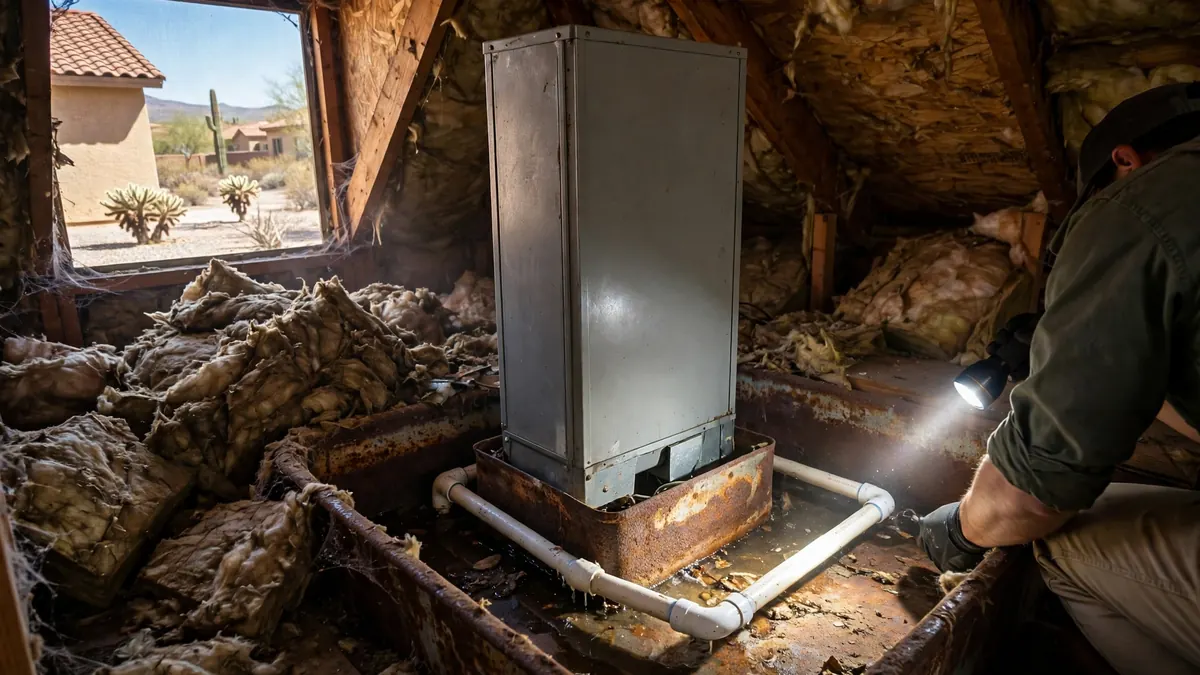
Many Casa Grande homes put the air handler and ductwork in the attic, and summer attics get extremely hot. That setup creates leak sources you would not see in a cooler climate, and they often show up in dry weather.
- Condensate lines and pans. The AC pulls water out of the air all summer and drains it through a small line. Dust and algae can clog that line, and the overflow pan under the unit can rust through. Water then drips onto the ceiling below. See AC condensation water damage for how that leak develops.
- Sweating ducts. A cold supply duct in a very hot attic can form condensation if its insulation is torn or compressed. The drips can stain the ceiling around a register.
- Evaporative coolers. Older homes in Casa Grande, Coolidge and Eloy often have a cooler on the roof. A stuck float valve, a cracked pan or a failed seal at the roof jack lets water into the attic. Our evaporative cooler leak page explains the common failure points.
- Monsoon roof leaks. From mid-June to the end of September, wind-driven rain gets under tile and past flashing, and flat-roof scuppers clog with debris. Stains from these often appear a day or two after a storm.
If you check the attic yourself, go early in the morning before it heats up, step only on framing, and bring a flashlight. Look for wet or matted insulation, water marks on trusses, and the condition of the AC pan.
Can you just paint over a ceiling water stain?
Only after the source is fixed and the drywall and insulation above are dry. Painting over an active leak hides it while the water keeps soaking the drywall and framing. Regular ceiling paint also tends to let the stain bleed back through.
If the stain is old and dry, the usual approach is:
- Confirm the source is repaired and the area reads dry with a moisture meter.
- Check above the stain for wet or moldy insulation and replace what needs it.
- Apply a stain-blocking primer, often a shellac-based or oil-based product made for water stains.
- Repaint the whole ceiling panel or the whole ceiling, since spot paint on a flat ceiling usually shows.
If the drywall is soft, crumbling, sagging or shows mold, it should be cut out and replaced instead.
Will insurance cover a ceiling water stain?
It depends on the cause. Most standard homeowners policies cover sudden and accidental water damage, such as a supply line that bursts upstairs or storm damage that opens the roof. Stains from slow leaks, worn roofing or maintenance problems are commonly excluded.
If you plan to file, document before repairing: dated photos of the stain and its growth, photos of the source in the attic or upstairs, any plumber or roofer invoice that names the cause, and the restoration crew's moisture readings. Check your declarations page and the water damage section of your policy, or ask your agent, because coverage varies by policy and carrier. A monsoon roof claim may also fall under a separate wind or hail deductible.
What should you do about a ceiling stain today?
Figure out whether it is active, look for the source, and keep water from spreading. Then decide between a simple prime and paint or a real drying and repair job.
- Mark and photograph the stain with the date.
- Check the attic, the AC pan, the cooler and any bathroom above.
- Shut off water to a fixture you suspect, or the main if you cannot tell.
- Turn off power to any light or fan near a wet area.
- Keep clear of any sagging section.
If the stain is growing, soft, sagging or came back after paint, call (520) 380-1551. The line is open 24/7 and connects you with a local restoration crew in Casa Grande and nearby Pinal County towns that can check moisture above and around the ceiling and dry what is wet.
Questions homeowners ask
Does a ceiling water stain always mean a leak is still active?
Why does my ceiling stain only appear in summer?
Is a small ceiling water stain dangerous?
Will a stain-blocking primer fix a water stain?
More from the blog
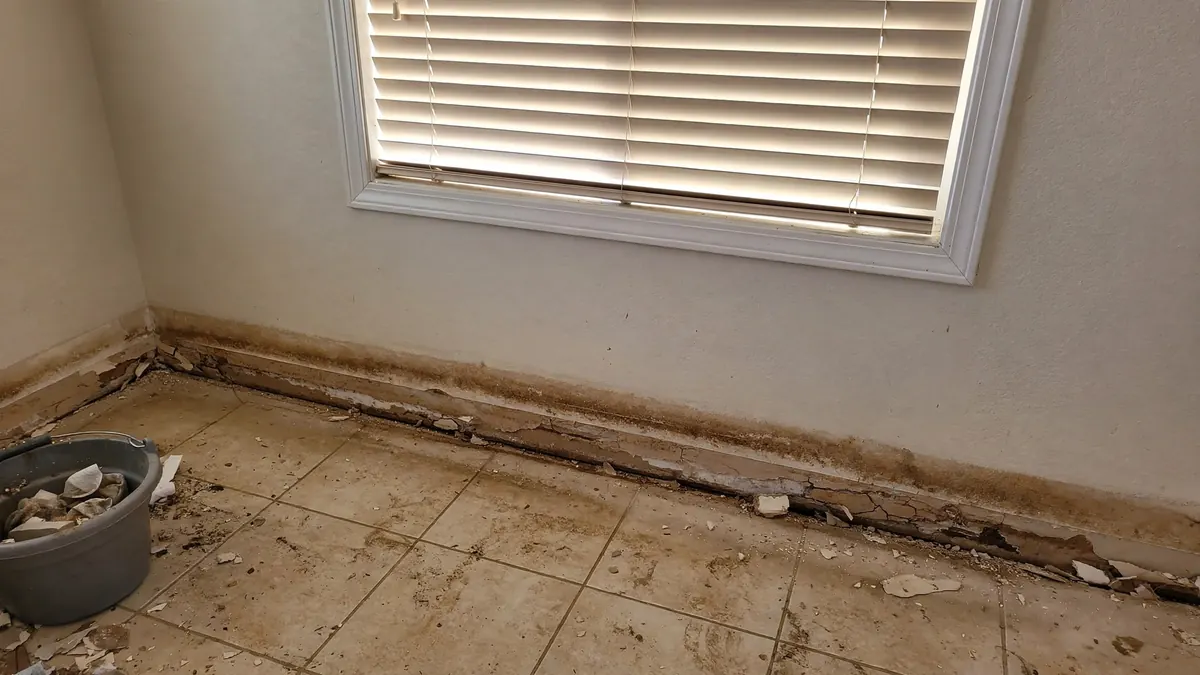 Drying & MoldCan wet drywall be saved?Wet drywall can usually be saved if it was soaked by clean water, drying starts within a day or two, and the board is still firm....
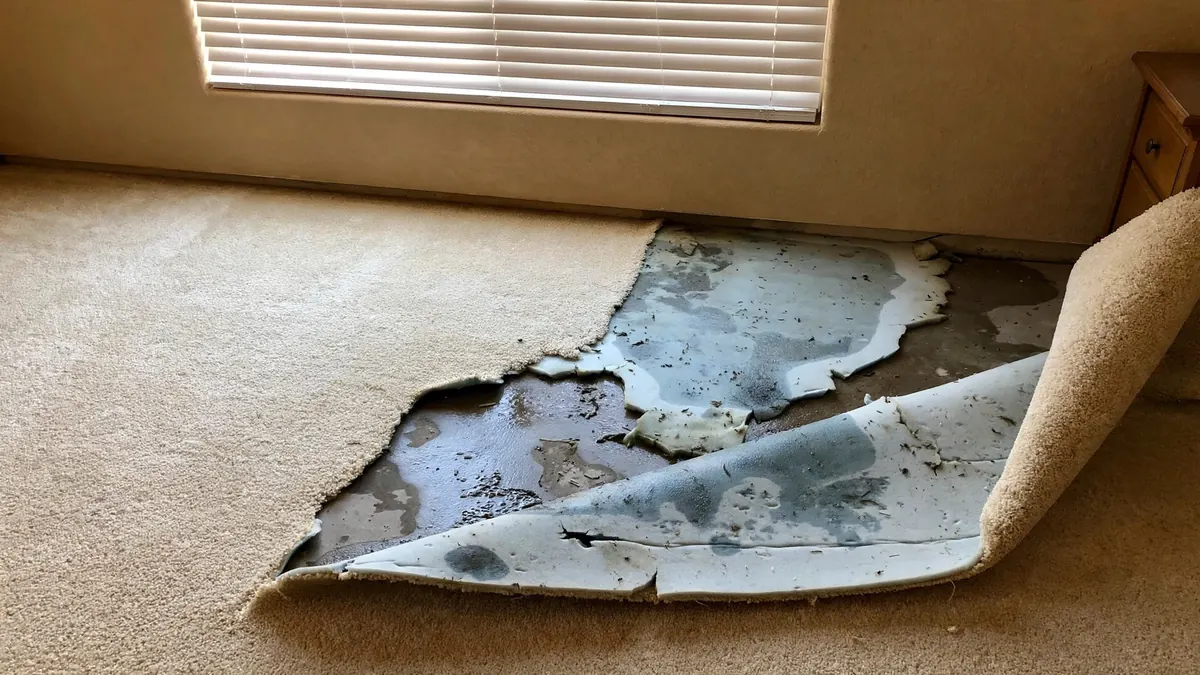 Drying & MoldWet carpet: when it can be saved and when the pad must goWet carpet can usually be saved if the water was clean and extraction starts within a day or two, before the backing separates. The pad underneath...
 Drying & MoldHow fast mold grows after a leak in Arizona heatMold can start growing within 24 to 48 hours once drywall, wood, carpet pad, or insulation stays wet, even in dry Arizona. Visible spots and a...
Need help with damage right now?
Speak to a local restoration specialist on the 24/7 line, any time of day.
Call (520) 380-1551When you call: enter your ZIP code, then press 1 for water damage, 2 for fire damage or 4 for sewage backup.