Home › Blog › Water damage restoration cost in Florence, AZ
Water damage restoration cost in Florence, AZ
Most water damage restoration jobs in Florence, AZ run about $1,300 to $5,500. One room of clean water caught early is often $400 to $1,500, and a slab leak with detection and drying about $2,000 to $5,000. Historic adobe homes can take more drying days, and the restoration company sets the final price. See water damage in Florence.
In this article
- How much does water damage restoration cost in Florence, AZ?
- How is a water damage estimate built?
- Why do historic Florence homes cost more to dry?
- What drives cost in Anthem at Merrill Ranch and newer Florence homes?
- How much do common Florence water losses cost?
- Does insurance pay for water damage in Florence?
- What should Florence homeowners know about Gila River flooding?
- How can you keep the cost down?
- Questions homeowners ask
How much does water damage restoration cost in Florence, AZ?
Most Florence jobs land between about $1,300 and $5,500, the same general range as the rest of Pinal County. Small clean-water jobs caught early can cost a few hundred dollars, while a whole-home flood or sewage loss can pass $5,000 and run to $10,000 or more once rebuild is included.
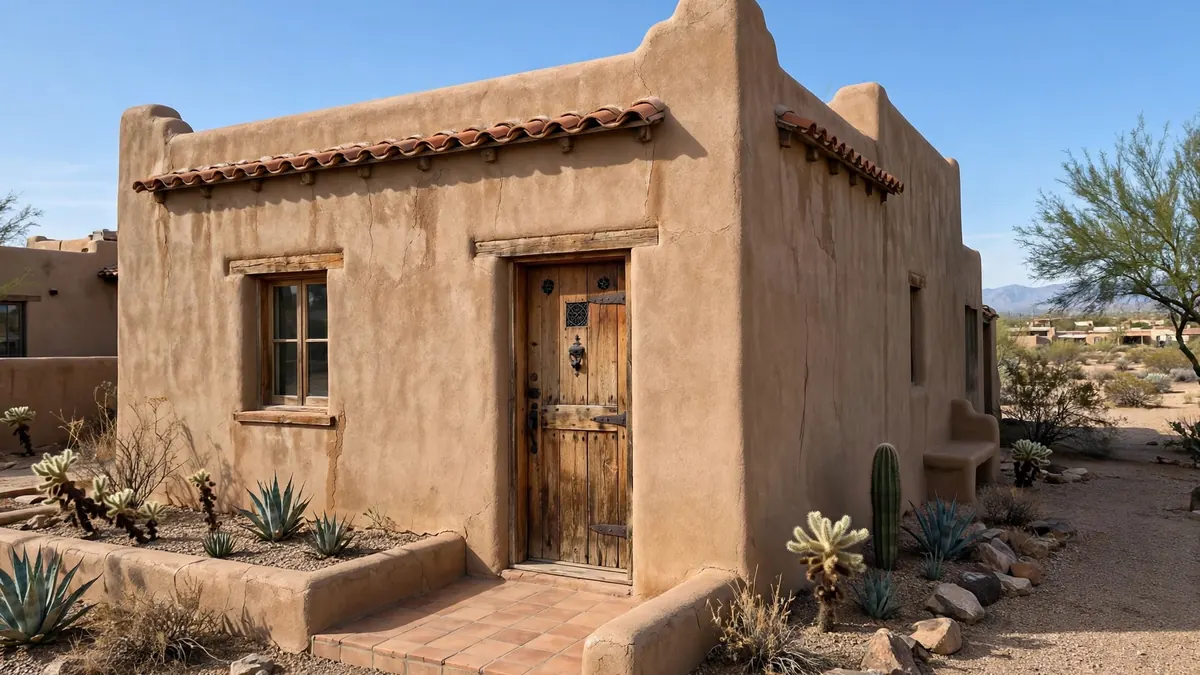
Prices are set by each restoration company and vary with the job. Florence does not have its own price list. What it does have is an unusual mix of housing, from territorial-era adobe downtown to newer post-tension slab homes in Anthem at Merrill Ranch, and that mix changes how long drying takes and what has to be removed. Those two things drive most of the bill.
| Type of job | Typical range | What usually moves it in Florence |
|---|---|---|
| One room, clean water, caught early | About $400 to $1,500 | Carpet versus tile, whether baseboards come off |
| Several rooms with drying | About $1,500 to $4,000 | Number of equipment days, cabinets involved |
| Slab leak detection plus drying | About $2,000 to $5,000 | How long the leak ran under tile, plumbing billed separately |
| Whole-home flood or sewage (Category 3) | About $5,000 to $10,000 or more | Removal of contaminated materials, sanitizing, rebuild |
| Flooded home needing drying and rebuild | $7,000 or more | Flooring, drywall, paint and cabinets replaced |
These are the same ranges published in our Casa Grande water damage cost guide. The only way to get your own number is an on-site assessment, because water travels under tile and inside walls where nobody can see it from the doorway.
How is a water damage estimate built?
A restoration estimate is a list of line items, not a single flat price. Knowing the common lines makes it much easier to compare two estimates or understand what your insurer is paying for.
Many restoration companies write estimates in the same software insurers use, so the line items look similar from one company to the next. The usual groups are:
- Emergency service. Some companies list a service call or after-hours charge for nights, weekends and holidays.
- Water extraction. Priced by the square foot or by the hour, and higher for carpet with pad than for hard floors.
- Drying equipment. Air movers and dehumidifiers are usually charged per unit, per day. This is often the largest line on a mitigation estimate.
- Moisture monitoring. Daily visits to take readings and move equipment.
- Removal. Wet carpet pad, baseboards, the lower part of drywall, insulation, and sometimes cabinets or tile.
- Cleaning and antimicrobial treatment. More extensive for gray water and sewage.
- Containment. Plastic barriers and air scrubbers when there is sewage, mold, or older materials that need careful handling.
- Contents. Moving furniture out of the way, blocking it up, or packing items out to be cleaned.
- Rebuild. New drywall, texture, paint, baseboards, flooring and cabinets. Often a separate estimate.
Ask for an itemized estimate that lists mitigation (extraction, drying, removal) separately from rebuild. Two Florence estimates that look far apart are often covering different scopes, not charging different prices for the same work.
Why do historic Florence homes cost more to dry?
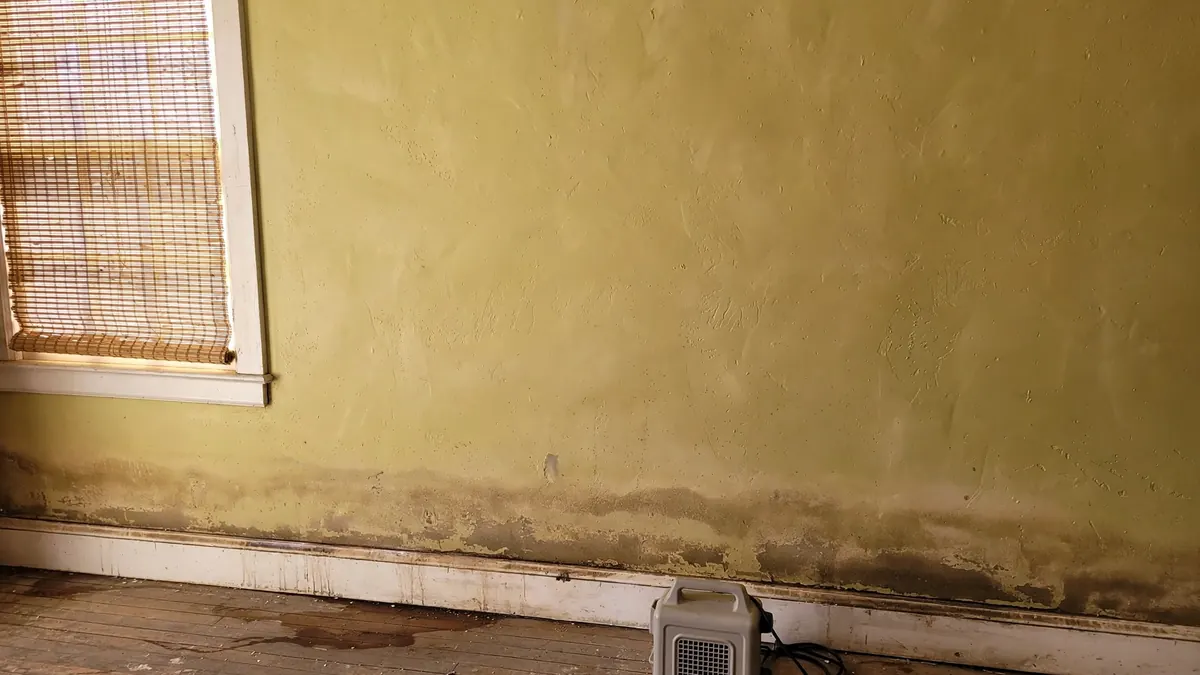
Adobe, lime plaster and old wood hold water differently from modern drywall and have to be dried slowly, so the same amount of water usually means more equipment days and more monitoring visits. Equipment days are billed daily, so a slower dry adds cost even when nothing extra gets torn out.
Florence is the Pinal County seat and one of the oldest towns in Arizona, and its downtown historic district holds homes that predate modern building codes. The cost differences come from a few places:
Slower, controlled drying
Thick adobe walls soak up water and give it back slowly. Lime plaster can crack if it dries too fast, and original trim and floorboards can warp. Crews in these homes usually run less aggressive airflow and check readings more often, which stretches a job that might take three to five days in a newer home.
Materials you want to keep
In a newer home, wet drywall at the bottom of a wall is often cut out and replaced because that is cheaper than nursing it dry. In a historic home, the goal is usually to save original plaster, doors and wood. Saving them can take more labor than replacing would in a modern house.
Older materials that need careful handling
Homes built before 1978 may have lead-based paint. Federal rules require lead-safe work practices when contractors disturb painted surfaces in these homes, which adds containment and cleanup steps if plaster or trim has to be opened. Some older flooring, joint compound and textured ceilings were made with asbestos, and a crew may recommend testing before cutting into them. Testing and safe handling show up as their own lines on the estimate.
Older plumbing and roofs
Galvanized supply lines and older water heaters are more common downtown, and flat or low-slope roofs with parapets can let monsoon rain in at scuppers and roof penetrations. A roof or pipe that fails again during drying adds days.
What drives cost in Anthem at Merrill Ranch and newer Florence homes?
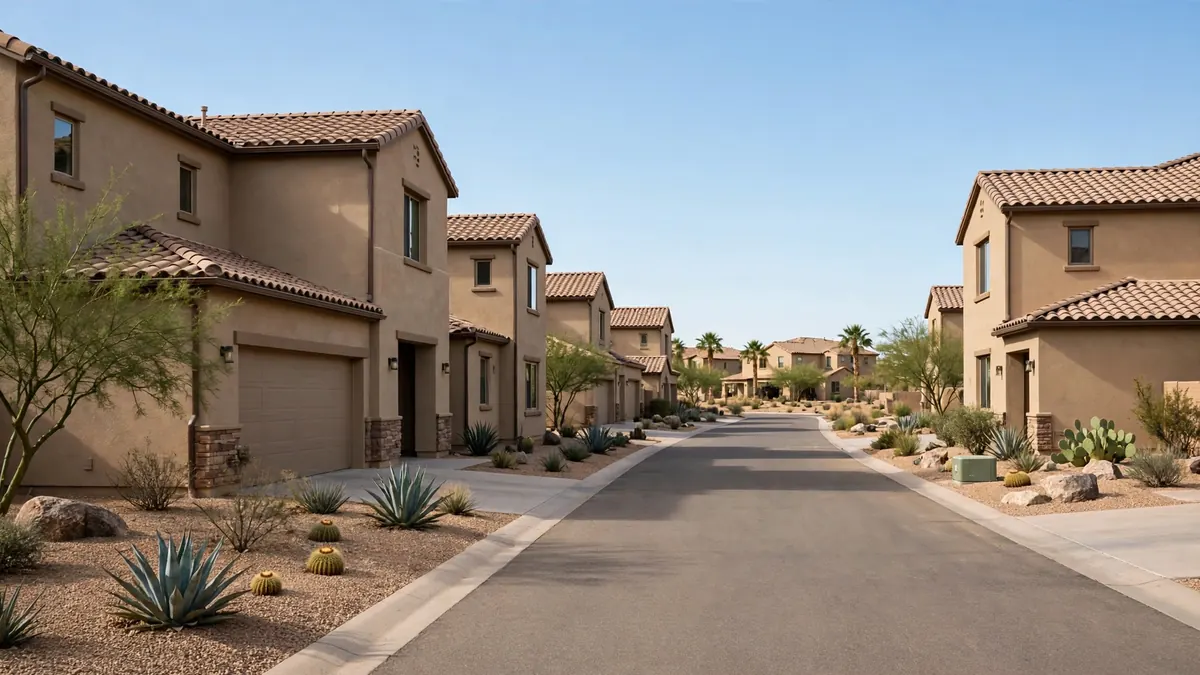
In newer homes the biggest cost drivers are how long a hidden leak ran and what flooring sits on top of it. These houses dry faster than adobe, but slab leaks and failed PEX fittings can run for days under tile before anyone notices.
Anthem at Merrill Ranch and the newer subdivisions along Hunt Highway are mostly post-tension slab homes with PEX plumbing. The water problems there show up in a predictable way, and so do the costs:
- Tile over slab. Water spreads sideways under tile and into the slab. Tile is expensive to remove, so crews often try to dry through it with focused equipment. If the tile is loose or the leak ran long, removal and replacement can move the job toward the top of the range.
- Slab leak access. On a post-tension slab, the tendons in the concrete have to be located before anyone cuts. The plumbing repair is a separate bill from the plumber, not part of the restoration estimate. Our page on slab leak detection and cleanup explains what that job involves.
- Cabinets. A leak at a kitchen sink or dishwasher can soak the toe-kick and cabinet bases. Pulling the toe-kick to dry behind it is cheap. Replacing cabinets that swelled is not.
- Garage water heaters. A failed tank can send water across the garage and under the door into the house. Whether it reached carpet and drywall inside is the line between a small bill and a multi-room one.
- Seasonal homes. Many Anthem owners travel in summer. A leak that runs for a week in an empty house is the most expensive version of every scenario above, because more materials are past saving by the time someone opens the door.
How much do common Florence water losses cost?
Common losses fall into the same published ranges, and where each one lands depends mostly on how fast drying started and what got wet. These are general patterns, not quotes.
- Supply line under a bathroom sink, found the same day, tile floor. Usually the low end, near the single-room range of about $400 to $1,500, if the vanity base and wall dry without removal.
- Water heater failure in a garage, water reaches a carpeted room. About $400 to $4,000, depending on how much carpet, pad and drywall inside the house got wet.
- Slab leak under a kitchen and family room, found after a high water bill. About $2,000 to $5,000 for detection, extraction and drying, plus the plumber's repair and any flooring replacement.
- Monsoon rain through a flat roof into a historic home. Varies widely. Slow drying of plaster and adobe adds equipment days, and the roof repair is separate.
- Toilet or sewer backup. Category 3 work starts higher because contaminated materials are removed and the area is sanitized, and it can pass $5,000 when several rooms are affected.
The pattern across all five is the same. Water extracted the first day often leaves baseboards and drywall salvageable. Water left for several days usually means removal, rebuild and sometimes mold work, which is where a sub-$1,500 job becomes a $6,000 one.
Does insurance pay for water damage in Florence?
Usually yes for sudden, accidental water damage, such as a burst supply line or a failed water heater, minus your deductible. Gradual leaks, wear and tear, and outside flood water are commonly excluded. Every policy is different, so check your declarations page.
A few points that affect what you actually pay out of pocket:
- The deductible comes off the covered loss once per claim. On a small job, the deductible may cover most or all of the bill, so some owners pay a minor loss directly. Ask your agent how a claim affects your policy before you decide.
- Replacement cost versus actual cash value. If your policy pays actual cash value on some items, older flooring or cabinets pay out less than the cost to replace them.
- The cause of the leak. The failed pipe or water heater itself is usually not covered. The water damage it caused often is.
- Secondary damage. Mold or warping from water left sitting can be denied, because policies expect you to limit further damage. A documented start date for drying is your best protection.
- Older homes. If your historic home has unusual materials, confirm with your agent whether your coverage limit reflects what it would cost to repair them, since plaster and old woodwork can cost more than standard drywall and trim.
Our guide to whether homeowners insurance covers water damage in Arizona goes further into deductibles, depreciation and what adjusters expect to see.
What should Florence homeowners know about Gila River flooding?
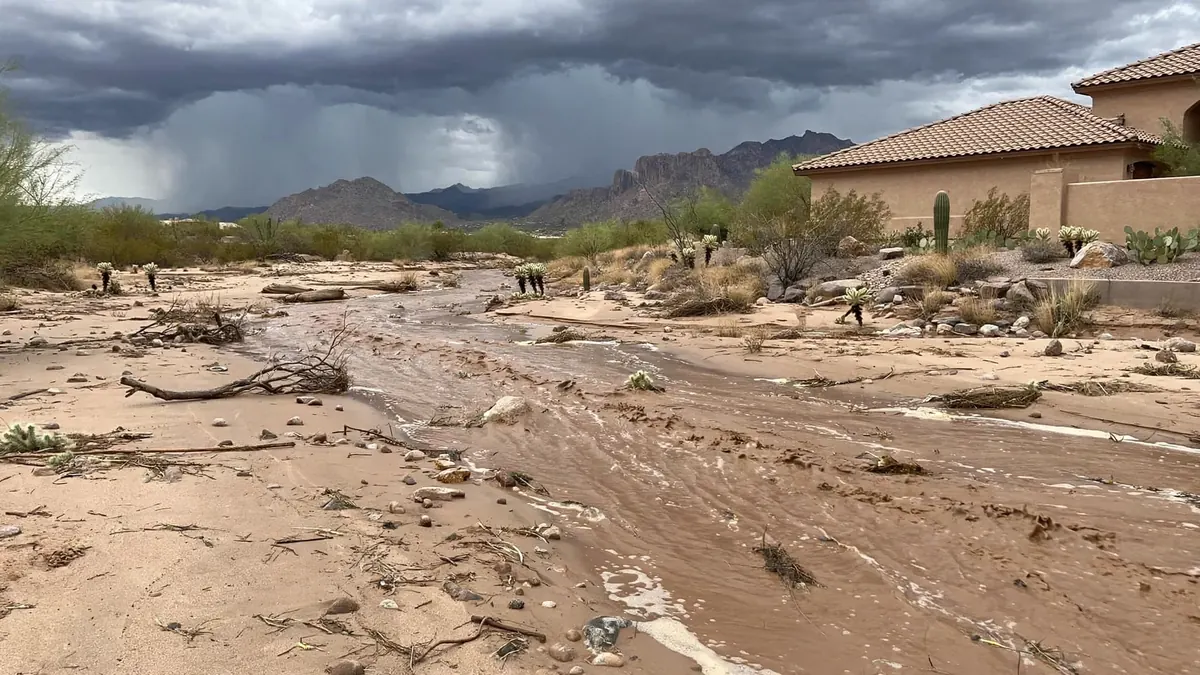
Water that rises off the ground and flows into a home is flood, and a standard homeowners policy does not cover it no matter how the storm started. Florence sits along the Gila River, with washes that run hard during monsoon storms, so this matters more here than in many Pinal County towns.
The Gila is dry most of the year, which makes it easy to forget. During heavy storms, washes that feed it can carry fast water and mud, and low streets can pond. Flood cleanup also costs more than a pipe leak of the same size, because outside water carries soil and contaminants, so wet materials are more likely to be removed and the area sanitized.
- Check your flood zone. FEMA's flood map service lets you look up an address. Pinal County also keeps floodplain information. Being outside a mapped high-risk zone lowers the price of flood coverage, it does not mean water stays out.
- Buy before the season. National Flood Insurance Program policies usually have a 30-day waiting period, so a policy bought in July rarely helps that summer.
- Insure contents separately. NFIP building and contents coverage are separate parts. Buying only the building side leaves furniture and belongings out.
- Know the difference. Rain blown in through a storm-damaged roof is treated differently from water coming in under the door. Photograph where the water entered.
Never drive through flowing water in a wash or across a flooded road. Arizona's stupid motorist law can make drivers who need rescue from a flooded wash pay for that rescue, and the real risk is being swept off the road.
How can you keep the cost down?
Stop the water, start drying early, and make sure the estimate covers only what is actually wet. Most of the difference between a small bill and a large one is decided in the first day.
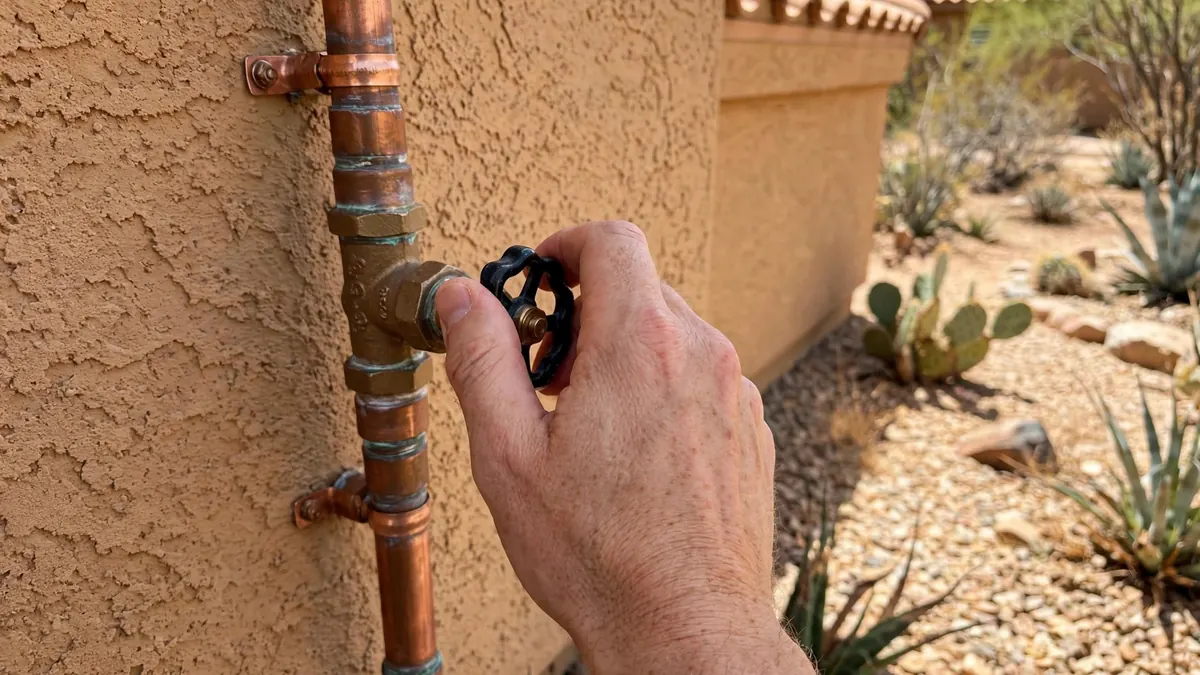
- Shut off the water. Close the main valve, usually near the front hose bib or in the garage, or the valve at the fixture.
- Get moisture readings, not guesses. A crew with moisture meters and a thermal camera can show where water went, which keeps removal to what is actually wet.
- Do not dry with household fans for days. Fans dry the surface and leave moisture inside walls and under tile, which is how mold and rebuild get added later.
- Tell the crew about historic materials. If your home is adobe or has original plaster, say so on the first call so drying is planned for it.
- Compare itemized estimates line by line. Check equipment counts, the number of drying days, and whether rebuild is included.
- Document for insurance. Photos before cleanup, the plumber's or roofer's invoice naming the cause, and daily drying logs.
- Shut off the main before travel. For seasonal homes in Anthem or anywhere in town, this is the cheapest protection there is.
If you have water on the floor, a ceiling stain spreading after a storm, or a leak in an older Florence home, call (520) 380-1551. The line is open 24/7 and connects you with a local restoration crew serving the 85132 area, Coolidge, San Tan Valley and the rest of Pinal County.
Questions homeowners ask
Is water damage restoration more expensive in Florence than in Casa Grande?
Why is the drying equipment line so large on my estimate?
Does the restoration estimate include the plumbing repair?
Will my homeowners policy cover flooding from the Gila River or a wash?
Can I get a price over the phone?
More from the blog
 Local GuidesWater damage in Maricopa, AZ homes: slab leaks, HOAs and newer buildsMost Maricopa homes were built in the 2000s and later on concrete slabs, and many are now old enough that original water heaters, supply lines, washer...
 Local GuidesSan Tan Valley water damage: what homeowners should knowSan Tan Valley is mostly newer slab homes in HOA subdivisions, so the common water problems are slab leaks, PEX fitting failures in walls and ceilings,...
 Local GuidesSnowbird and vacant home leak checklistBefore leaving a home empty, close the main water valve, turn off the water heater, keep the AC on at a higher setting, clear the condensate...
Need help with damage right now?
Speak to a local restoration specialist on the 24/7 line, any time of day.
Call (520) 380-1551When you call: enter your ZIP code, then press 1 for water damage, 2 for fire damage or 4 for sewage backup.