Home › Blog › Why insurers deny water damage claims, and how to avoid it
Why insurers deny water damage claims, and how to avoid it
Insurers deny water damage claims most often because the leak was long-term, the cause was wear and tear or poor maintenance, the water was flood or sewer backup the policy excludes, mold exceeded a limit, or damage spread while nobody acted. Fast action, a written cause and drying logs prevent most denials. See what policies usually cover.
In this article
- Why do insurers deny water damage claims?
- What counts as gradual or long-term water damage?
- When is a leak treated as wear and tear or poor maintenance?
- Why are flood and sewer backup claims denied?
- How do mold limits and exclusions work?
- Can waiting too long get your claim denied?
- What should you do if your water damage claim is denied?
- How do you keep a water damage claim from being denied in the first place?
- Questions homeowners ask
Why do insurers deny water damage claims?
Most water damage denials come down to a handful of policy exclusions: damage from a leak that went on for weeks or months, wear and tear or poor maintenance, flood or surface water, sewer backup without an endorsement, mold beyond a small limit, and damage that got worse because nobody acted. Many denials are partial, meaning the insurer pays for some of the loss and refuses the rest.
A standard homeowners policy is built to pay for sudden, accidental events. Every common denial is a version of the insurer saying the loss was not sudden, not accidental, or falls into a category the policy carves out. Knowing which category your loss could be pushed into is the best way to keep it out.
| Denial reason | What the insurer points to | How to avoid it |
|---|---|---|
| Long-term or repeated leakage | Rot, layered stains, mold, a high water bill going back months | Fix drips and stains when you see them, act the day you find water, keep the plumber's note on the cause |
| Wear and tear or maintenance | Old supply lines, failed caulk or grout, aged roof underlayment, a tank past its life | Replace aging hoses and lines, keep maintenance receipts, inspect roofs before monsoon |
| Flood or surface water | Water that came in across the ground from a storm or wash | Buy a separate flood policy well before the season if your lot holds water |
| Sewer or drain backup | Water that came up through a drain, toilet or floor drain | Add a water backup endorsement and check its limit |
| Mold limit or exclusion | Mold growth, especially from a slow leak | Start drying right away, read your mold sublimit |
| Failure to mitigate | Days or weeks between discovery and drying | Shut off the water, document, and get drying started with a written start date |
| Vacancy | A home left empty for a long stretch | Read your vacancy clause, shut off the water when you leave, arrange regular checks |
| Loss under the deductible | Covered damage that totals less than your deductible | Know your deductible before filing a small claim |
The sections below take each reason in turn, then cover what to do if you get a denial letter. For the basics of what most policies cover in the first place, see does homeowners insurance cover water damage in Arizona.
What counts as gradual or long-term water damage?
Gradual damage is water that leaked, seeped or dripped over a long period instead of all at once. Standard policy forms commonly exclude continuous or repeated seepage or leakage over weeks, months or years. It is the single most common reason a water claim is reduced or denied.
The adjuster is looking for physical signs of time. These include:
- Rings or layered stains on drywall or ceilings, which form when a spot gets wet and dries over and over.
- Rot and delamination in cabinet bases, subfloor or framing. Wood takes time to break down.
- Established mold growth, particularly heavy or multi-colored growth behind a vanity or dishwasher.
- Corrosion and mineral crust at a fitting. In Casa Grande's hard water, a fitting that has wept for months grows a white or green crust that a fresh failure does not have.
- Water bills that climbed steadily for several cycles.
The key point many homeowners miss is that a policy usually draws the line on the leak itself, not on when you found it. A slow drip under a sink you never opened can still be called gradual, even if you had no idea. That is why a quick look under sinks, behind the toilet, and around the water heater every month or so is cheap insurance in its own right.
Slab leaks and the gradual question
Slab leaks sit right on this line. A pinhole in a copper line under a post-tension slab can run for a long time before it shows as a warm spot or a jump in the bill. Some insurers cover the resulting damage and the cost to access the pipe, and some argue the loss was gradual. A leak detection report with a clear location, the plumber's description of the failure, and your bills showing when usage changed are the best evidence of when it started. Our slab leak page covers what that work involves.

When is a leak treated as wear and tear or poor maintenance?
An insurer will call a loss maintenance when the thing that failed was old, worn out, or neglected, and a reasonable owner would have replaced or fixed it. The resulting water damage may still be covered under some policies even when the failed part is not, but a clear maintenance problem can sink the whole claim.
Common examples in Pinal County homes:
- Rubber washing machine hoses that are many years old and cracked at the bend.
- Failed grout and caulk in a shower that let water into the wall for months. This is one of the most often denied water claims anywhere.
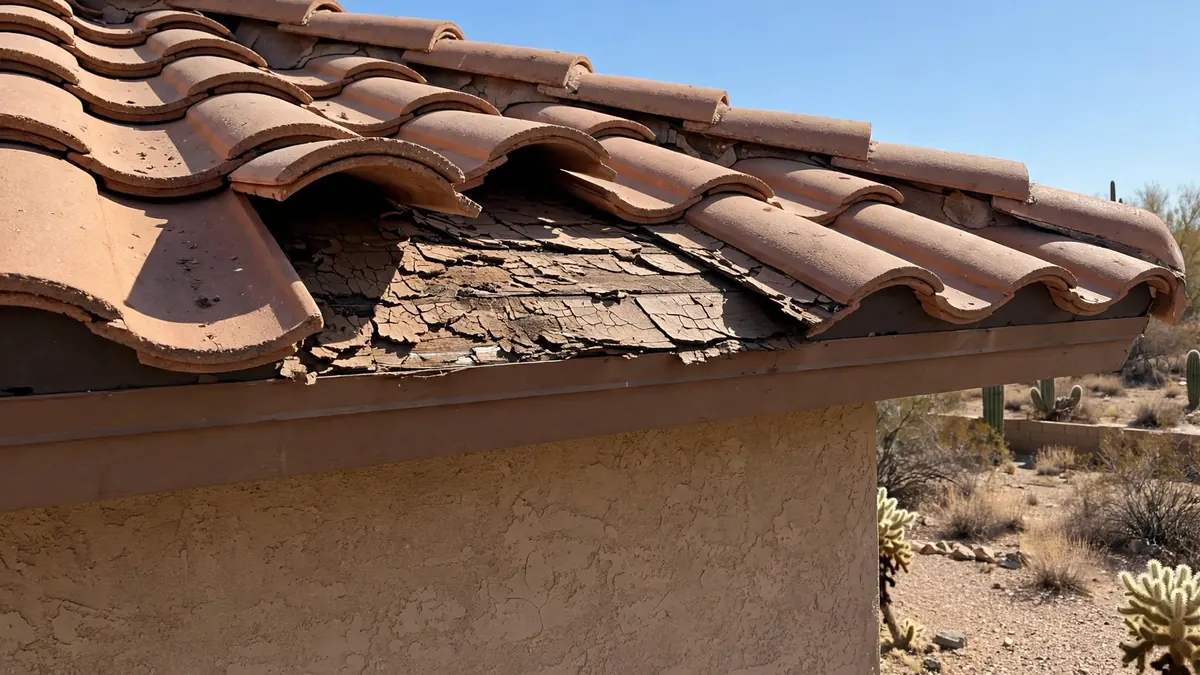
- Roof underlayment that aged out under the sun. Tile roofs here can look fine from the street while the felt under the tile has dried and cracked. If a monsoon rain gets through with no storm damage to the roof itself, the insurer may call it age.
- Clogged scuppers and ponding on flat roofs. Water that backs up behind debris you could have cleared is often treated as maintenance.
- AC condensate lines that clogged with algae and dust and dripped into a ceiling all summer.
- Water heaters past their expected life with visible rust at the base. Hard water shortens tank life here.
Two habits help. Replace rubber hoses and plastic supply lines with braided ones on a schedule, and keep the receipts. Keep a simple record of roof checks, cooler service and AC maintenance. When an adjuster asks how old a part was or when it was last serviced, a dated receipt is a strong answer.
Why are flood and sewer backup claims denied?
Most standard homeowners policies exclude flood and surface water outright, and exclude water that backs up through drains or sewers unless you added a backup endorsement. These denials are usually about the source of the water, not how much damage it did.
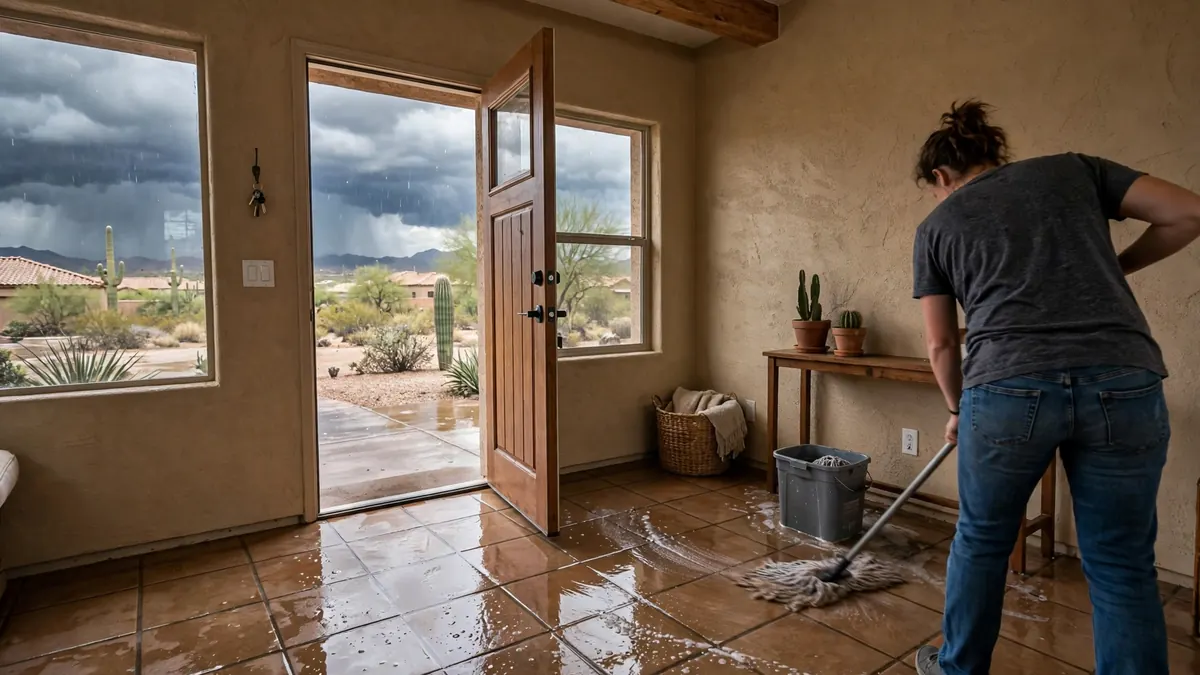
In a monsoon, the line is about direction. Rain blown in through a storm-damaged roof is often covered. Water that runs across the yard and under the slider is surface water, and without a flood policy it is usually out of pocket. A sewer backup is similar. Without the endorsement, a toilet or floor drain pushing water into the house is commonly excluded, and even with it, the endorsement limit may be lower than the cost of Category 3 cleanup.
The way to avoid these denials is to buy the right coverage before you need it. Price a flood policy in spring, since new NFIP policies usually have a waiting period, and read the limit on any water backup endorsement you carry.
How do mold limits and exclusions work?
Many homeowners policies either exclude mold or cap it with a fungi sublimit that is small compared with the cost of remediation. Mold from a covered sudden leak may be paid up to that cap. Mold from a long-term leak, high humidity or neglect is usually excluded altogether.
That makes mold a common partial denial. The insurer pays for drying and repairing the drywall from a burst line, then pays mold remediation only up to the sublimit, or not at all if it decides the mold came from an older problem. Check your policy for the words "fungi," "mold," or "microbes" and look for a dollar limit in the endorsements or the declarations page.
The practical defense is speed. In Arizona's warm indoor air, wet drywall and carpet pad can begin growing mold within 24 to 48 hours. Drying that starts the day you find the water limits growth and gives you a written start date. For what remediation involves, see mold remediation in Casa Grande.
Can waiting too long get your claim denied?
Yes, at least in part. Policies require you to report a loss promptly and to take reasonable steps to protect the property from further damage. Late reporting, or damage that spread while the house sat wet, gives the insurer grounds to deny the part of the loss that waiting caused.
Two different duties are at play:
- Prompt notice. Report the claim as soon as you reasonably can. Weeks of silence can make it hard for the insurer to verify the cause, and they may say the delay hurt their investigation.
- Mitigation. Stop the water and take reasonable steps to dry and protect the home. The original damage is covered, but cupped hardwood, swollen cabinets, and mold that developed afterward can be denied.
If something kept you from acting, such as a storm closing the roads or a leak hidden inside a wall, write down exactly what happened and when. Snowbird homes are a special case. If a leak runs for weeks while you are away, the insurer may ask how often the house was checked and whether the water was shut off. Some policies also limit coverage after a home has been vacant for a long stretch, so read the vacancy clause before you leave for the summer.
What should you do if your water damage claim is denied?
Get the denial in writing, read the exact policy language it cites, gather evidence that answers that specific reason, and ask the insurer to reconsider. If that fails, you can ask about appraisal for a dispute over the amount, hire a public adjuster or attorney, or file a complaint with the state.
- Ask for a written denial. A phone call is not enough. The letter should name the policy sections the insurer is relying on.
- Read those sections yourself. Look up the exact exclusion and any exceptions to it. Exclusions sometimes have carve-backs, such as paying for resulting water damage even when the failed part is not covered.
- Request the adjuster's report and photos. Ask for a copy of the estimate and any expert or engineer report used in the decision.
- Answer the specific reason. If the denial says "long-term leakage," the best response is evidence about timing: the plumber's description, the failed part, your water bills, dated photos, and the restoration company's initial readings.
- Write a clear reconsideration request. Keep it factual. List what the denial says, what your evidence shows, and what you are asking for. Attach copies, never originals.
- Ask for a reinspection if new damage was found during tear-out or the first inspection was done only from photos.
- Use appraisal for amount disputes. Many policies have an appraisal clause for disagreements over how much the loss is worth. It generally does not settle whether something is covered at all.
- Get outside help if the stakes are high. A public adjuster works for the policyholder for a fee, and an attorney who handles insurance disputes can review a large denial.
- File a complaint if you are stuck. The Arizona Department of Insurance and Financial Institutions accepts consumer complaints about insurers.
Policies and state law set deadlines for disputing a claim or filing suit. Read the conditions section of your policy and note any time limit the day you get a denial, so you do not lose your options by waiting.
How do you keep a water damage claim from being denied in the first place?
Act the day you find water, document the source before anything is repaired, have the cause put in writing by the plumber or roofer, start professional drying with daily readings, and keep up the maintenance that insurers expect. Those steps answer most denial reasons before they come up.
- Shut off the water at the main or the fixture, and write down the time.
- Photograph the source from several distances and keep the failed part.
- Get the cause in writing. "Burst braided supply line" on an invoice is hard to argue with.
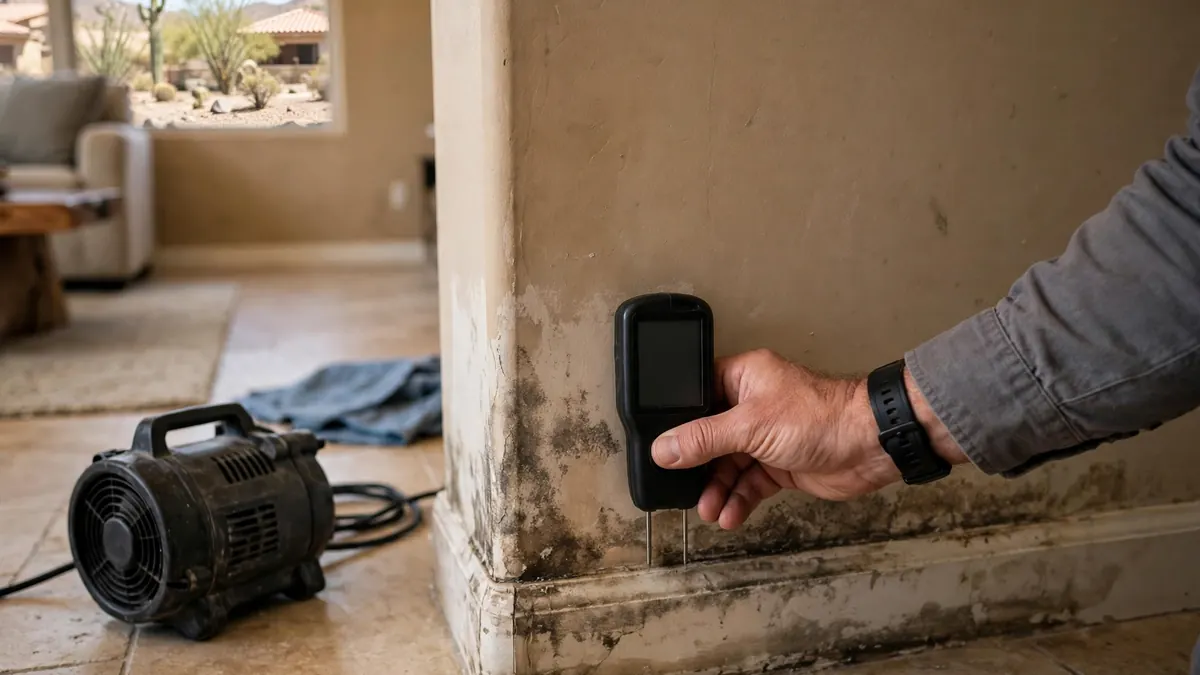
- Start drying the same day with moisture readings recorded from the first visit.
- Report the claim promptly and keep a diary of every call.
- Know your limits. Read your deductible, any wind and hail deductible, mold sublimit and backup endorsement now, not after a loss.
- Maintain the house. Hoses, supply lines, shower grout, AC drain lines, cooler pans, scuppers and roof underlayment are the parts adjusters ask about most.
If you have water in the house now, a local restoration crew can start the moisture readings and photo record your adjuster will want. Call (520) 380-1551, open 24/7 for Casa Grande, Coolidge, Eloy, Maricopa and nearby Pinal County towns.
Questions homeowners ask
Can an insurer deny a claim for a leak I did not know about?
Is a partial denial common on water damage claims?
Does homeowners insurance pay for the pipe that broke?
What is the difference between appraisal and appealing a denial?
Will filing a small water claim hurt me later?
More from the blog
 Insurance & CostFlood vs water damage: how Arizona home insurance treats eachMost Arizona homeowners policies cover sudden water from inside the house, like a burst pipe, and often rain through a storm-damaged roof. Surface water that rises...
 Insurance & CostWater damage insurance claim checklist: photos, readings and receiptsA water damage claim checklist covers five things: photos and video of the source and every wet room before cleanup, the date and time you found...
 Insurance & CostHow to choose a water damage restoration company: questions to ask and red flagsTo choose a water damage restoration company, pick one that takes moisture readings and photos on the first visit, gives you a written scope and itemized...
Need help with damage right now?
Speak to a local restoration specialist on the 24/7 line, any time of day.
Call (520) 380-1551When you call: enter your ZIP code, then press 1 for water damage, 2 for fire damage or 4 for sewage backup.