Home › Blog › How leak detection works: finding hidden leaks without tearing up your home
How leak detection works: finding hidden leaks without tearing up your home
Leak detection finds hidden leaks without tearing up your home by narrowing the search step by step. A meter test confirms water is escaping, pressure tests isolate the leaking line, then acoustic microphones, thermal cameras, moisture meters, tracer gas, or small cameras pinpoint the spot so only a small, targeted opening is needed. See slab leak detection.
In this article
- What are the signs of a hidden water leak?
- How do you do a water meter test yourself?
- What tools do professionals use to find a hidden leak?
- Which leak detection method finds what?
- Why are slab leaks so common in Casa Grande, Coolidge, and Eloy?
- What happens after the leak is found?
- How much does leak detection and drying cost?
- Does homeowners insurance cover a hidden leak?
- What should you do right now if you suspect a leak?
- Questions homeowners ask
What are the signs of a hidden water leak?
The most common signs are a water bill that climbs with no change in your habits, a water meter that moves when nothing is running, a warm spot on the floor, the sound of running water in a quiet house, stains near baseboards or ceilings, and a musty smell that cleaning does not fix. One sign is worth a check. Two or more together usually mean water is escaping somewhere you cannot see.
- A higher water bill. Compare this month to the same month last year, not last month. Summer bills go up with irrigation and pool top-offs, so a jump in December or January is more telling than one in July.
- A meter that moves with everything off. This is the most reliable home test, and the steps are below.
- A warm spot on tile or carpet. A hot-water line leaking under the slab warms the concrete above it. You often notice it barefoot.
- Sounds. A faint hiss or trickle in a wall, under a floor, or near the water heater when no fixture is open.
- Stains and damage. Darkened grout, a stain creeping up drywall from the floor, paint bubbling at the baseboard, or carpet that feels damp along one wall.
- A musty smell. A damp, earthy odor in one room or closet usually means moisture has been sitting long enough to start growing mold.
- Other clues. Low water pressure or a water heater that seems to run all the time.
For a longer list of what moisture behind walls and floors looks like, see our guide to the signs of hidden water damage.
How do you do a water meter test yourself?
Turn off every water fixture and appliance in the house, then watch the leak indicator on your water meter. If it moves while nothing is using water, water is leaving the plumbing somewhere. It takes about an hour.
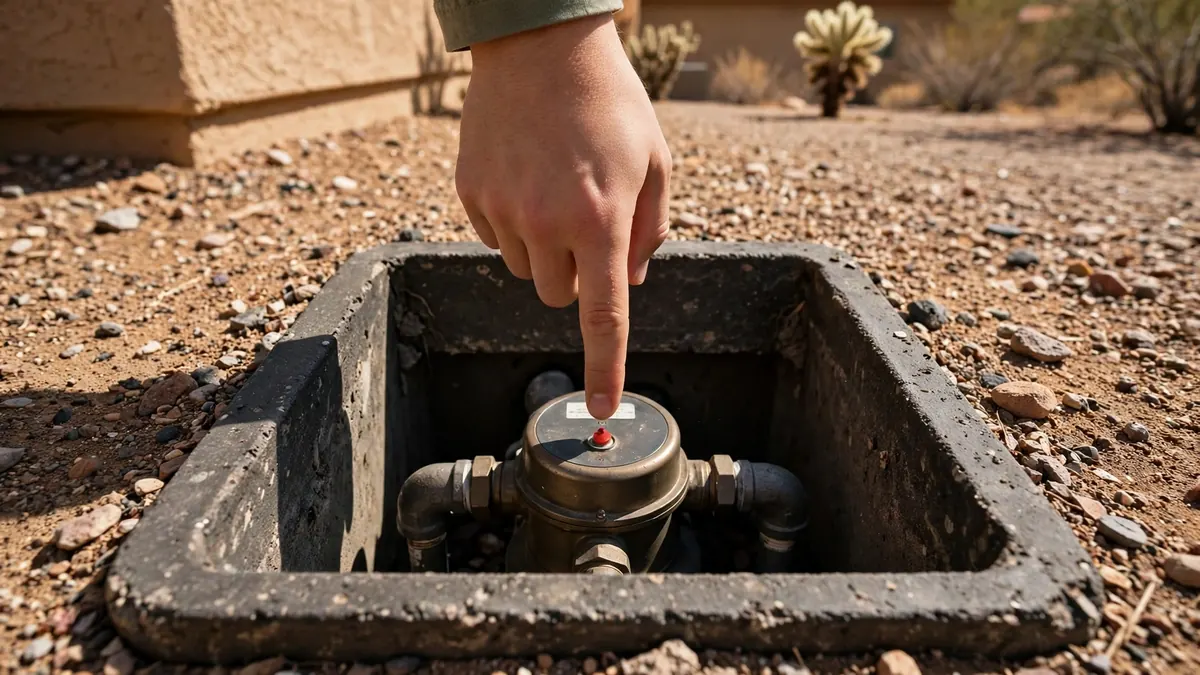
- Find your meter. In most Casa Grande neighborhoods it sits in a concrete or plastic box near the curb or sidewalk at the front of the lot. Pry the lid up with a screwdriver and watch for spiders and scorpions, especially in summer.
- Stop all water use. Shut off faucets, showers, the dishwasher, the washing machine, the ice maker, and the evaporative cooler supply if you have one. Turn off the irrigation controller and the pool auto-fill. Make sure no toilet is still refilling.
- Find the leak indicator. Most meters have a small triangle, star, or tiny dial that spins with even a trickle of flow.
- Watch it for a couple of minutes. If the indicator is spinning steadily, you have a meaningful leak. If it is still, write down the full reading on the main dial.
- Wait about an hour without using any water. Then read the meter again. If the number changed, water is going somewhere, even if the indicator looked still at first.
- Split inside from outside. If your home has a main shutoff valve where the line enters the house, close it and check the meter again. If the meter stops, the leak is inside the house, which includes lines under the slab. If it keeps moving, the leak is between the meter and the house, or in an irrigation or pool line.
- Rule out the toilets. A flapper that leaks into the bowl is the most common false alarm. Put a few drops of food coloring in each tank, wait 15 minutes without flushing, and look for color in the bowl.
If the meter is moving and you hear water, close the main shutoff now. You can open it briefly when you need water, but a leak under the slab keeps soaking the floor and subfloor every hour it runs.
What tools do professionals use to find a hidden leak?
A leak detection specialist works from the least invasive method to the most, using pressure tests to narrow the search and then acoustic, thermal, moisture, gas, and camera tools to pinpoint the spot. The goal is one small opening in the right place.
Pressure testing and isolating the lines
This usually comes first. The tech shuts off the water and isolates sections of the plumbing, most often the hot side and the cold side, then pressurizes each one and watches a gauge. A line that loses pressure is the one leaking. That narrows the search and points to the right next tool. A hot-side leak, for example, suits thermal imaging.
Acoustic listening
Water forced out of a pressurized pipe makes a hiss that travels through concrete and soil. The tech moves a sensitive ground microphone across the floor and listens through headphones, with filters that cut out household noise. The sound gets louder and sharper as the microphone gets closer to the leak. It is the main tool for slab leaks and works best in a quiet house.
Thermal imaging
An infrared camera shows temperature differences on a surface. A leaking hot-water line warms the floor above it, and the camera picks up that warm patch, often in a pattern that follows the pipe. Wet drywall also tends to read cooler than dry drywall as the water evaporates, so the camera can show a damp area inside a wall. The camera reads surface temperature only, so the tech confirms what it shows with another tool.
Moisture meters
Moisture meters measure how wet a material is. Pin meters push two small probes into drywall or wood. Pinless meters press flat against the surface and read below it without leaving marks. They do not find the pipe itself, but they map how far the water has spread, which tells you how much of the floor, baseboard, and wall needs drying.
Tracer gas
When a leak is too quiet to hear, the water is drained from the line and it is filled with a safe tracer gas, commonly a mix that is mostly nitrogen with a small amount of hydrogen. The gas molecules are tiny, so they escape through the leak and rise up through concrete, soil, or grout. A handheld detector sniffs along the surface and alerts where the gas comes through.
Video inspection and borescopes
A borescope is a thin camera on a flexible cable that goes through a small hole in drywall or into a cabinet cavity, so the tech can look at a pipe or fitting without opening the whole wall. Larger sewer cameras run down drain lines to look for cracks, root intrusion, or separated joints.

Which leak detection method finds what?
Each tool answers a different question, and most jobs use two or three of them together.
| Method | What it finds | Best for | Limits |
|---|---|---|---|
| Water meter test | Whether water is escaping at all | First check, anyone can do it | Does not show where the leak is |
| Pressure testing | Which line or section is leaking | Separating hot from cold, inside from outside | Narrows the area, does not pinpoint the spot |
| Acoustic listening | The sound of water escaping a pressurized pipe | Slab leaks and buried lines | Harder in noisy homes or with very small leaks |
| Thermal imaging | Warm or cool patches on a surface | Hot-water slab leaks, damp spots in walls and ceilings | Reads surface temperature only, needs confirming |
| Moisture meters | How wet drywall, wood, or subfloor is | Mapping how far water spread, tracking drying | Shows the damage, not the pipe |
| Tracer gas | Gas rising through the leak point | Very small or silent leaks, thick slabs | Line must be drained, takes more setup |
| Video or borescope | A direct look at pipes and drains | Drain lines, inside walls through a small hole | Needs an access point, limited reach |
Why are slab leaks so common in Casa Grande, Coolidge, and Eloy?
Most homes in this part of Pinal County are built on concrete slabs with the water lines running underneath, so when a pipe fails, it fails under the floor. Hard water, shifting desert soil, and the type of pipe in the house all play a part in how and when that happens.
- Homes on slabs. There are no basements or crawlspaces here to catch a leak or let you see it. Many newer homes sit on post-tension slabs. A leak under the floor spreads sideways under tile and carpet and can run for weeks before it shows.
- Hard water. The white crust on your faucets and shower heads is mineral scale from the local groundwater. Over years, water chemistry and the minerals it carries wear on copper from the inside.
- Soil movement. Desert soils expand and shrink as they get wet and dry out. That small movement stresses pipes where they pass through the slab.
- Copper lines in older homes. Many older homes in Casa Grande, Coolidge, and Eloy have copper supply lines under the slab. Copper that fails in one place has often thinned in others, which is why plumbers sometimes recommend rerouting instead of a single spot repair.
- PEX fittings in newer homes. Newer subdivisions like Villago, McCartney Ranch, Mission Royale, and Cottonwood Ranch were largely plumbed with PEX. The tubing handles hard water well, but a failed fitting can still leak under the floor.
- Seasonal homes. In snowbird communities like Robson Ranch in Eloy, a leak can start while nobody is home and run for months. Shutting off the main before you leave for the summer is the simplest protection.
For what a slab leak job involves from start to finish, see our page on slab leak detection and cleanup in Casa Grande.
What happens after the leak is found?
Two separate jobs follow. For leak repair in Casa Grande, a plumber fixes the pipe, and a restoration crew dries out and repairs the water damage the leak caused. You usually need both.
The plumbing repair
The plumber chooses a repair based on where the leak is, what the pipe is made of, and the condition of the rest of the line. The common options are:
- Spot repair. A small opening is cut through the floor and slab at the leak, the pipe is fixed, and the concrete is patched. On a post-tension slab, the tendons in the concrete have to be located before anyone cuts.
- Reroute. The failing line is abandoned in place and a new one is run through walls or the attic. This avoids breaking the slab and is common when hard water has thinned copper in more than one spot.
- Pipe lining. Some pipe types can be coated from the inside with epoxy.
We do not do plumbing repairs, and the line does not connect you with plumbers for the pipe repair itself. That part is between you and a plumber of your choosing.
The water damage drying
Once the pipe is fixed, the water it left behind is still in the slab, the tack strip, the baseboards, and the bottom of the drywall. This is the part the restoration companies we work with handle. A local restoration crew typically:
- Takes moisture readings to map the wet area, often well beyond the visible damage.
- Pulls up wet carpet pad or removes baseboards where needed so air can reach the wet materials.
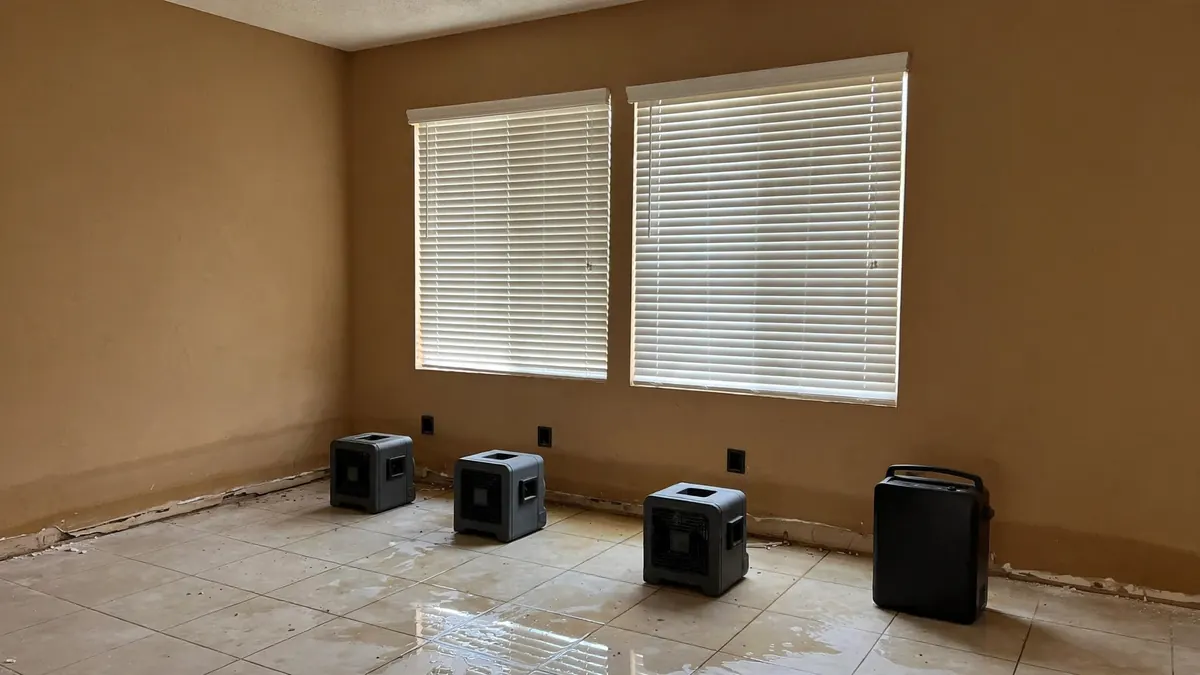
- Sets air movers and dehumidifiers to pull moisture out of the slab and walls, which is the core of structural drying.
- Checks readings each day until materials are back to normal dry levels.
- Documents readings and photos for your insurance claim.
Concrete holds water and gives it up slowly. A box fan dries the surface and leaves moisture underneath. A moisture meter reading is the only way to know the floor is actually dry.
How much does leak detection and drying cost?
In the Casa Grande area, slab leak detection plus water extraction and drying of the affected rooms usually runs about $2,000 to $5,000. That range does not include the plumbing repair, which is a separate bill from the plumber, or replacing flooring if it cannot be saved.
Prices are set by each restoration company and vary with the job. The things that move the number most are:
- How long the leak ran. A leak caught in a few days soaks one area. One that ran for months may have spread under several rooms.
- How many rooms are wet. More square footage means more equipment and more drying days.
- Flooring type. Tile set on the slab, wood floors, and cabinets cost more to dry or replace than carpet.
The same general ranges apply across Pinal County, from Casa Grande to water damage jobs in Coolidge, Eloy, and Florence. The only way to know your number is an on-site assessment.
Does homeowners insurance cover a hidden leak?
Often, part of it. Most standard homeowners policies cover sudden, accidental water damage, and many also cover the cost of opening the floor or wall to reach the pipe. The pipe repair itself, and damage from a leak that ran for a long time, are commonly not covered.
- Often covered: water damage to floors, walls, and cabinets from a pipe that failed suddenly, and in many policies the cost to access the leak.
- Often not covered: repairing or replacing the failed pipe, which is treated as wear and tear, and damage from a slow leak the insurer decides went on for weeks or months.
- Secondary damage: mold or rot from water left sitting after you found the leak can be denied, because policies expect you to limit further damage.
Every policy is different. Check your declarations page and the water damage section of your policy, or ask your agent, before you assume either way. Keep the water bills that show the jump, photos of the warm spot or stain, the leak detection report, and the restoration crew's moisture logs.
What should you do right now if you suspect a leak?
Run the meter test, and if it shows water moving, close the main shutoff and get the leak located. Then get the wet areas dried properly before they turn into a flooring or mold problem.
- Do the meter test and the toilet dye test.
- Close the main shutoff if the meter moves or you hear running water.
- If you suspect the hot side, turn off power or gas to the water heater.
- Photograph the meter, stains, and recent water bills.
- Schedule leak detection in Casa Grande or Coolidge, AZ, and the plumbing repair.
- Have a restoration crew check moisture and dry what got wet.
If you already have water on the floor, a warm spot that keeps spreading, or a musty room you cannot explain, call (520) 380-1551. The line is open 24/7 and connects you with a local restoration crew in Casa Grande, Coolidge, Eloy, and nearby Pinal County towns.
Questions homeowners ask
Can I find a hidden water leak myself?
Does leak detection damage my floors or walls?
How do I know if a leak is under my slab?
Will insurance pay for leak detection?
More from the blog
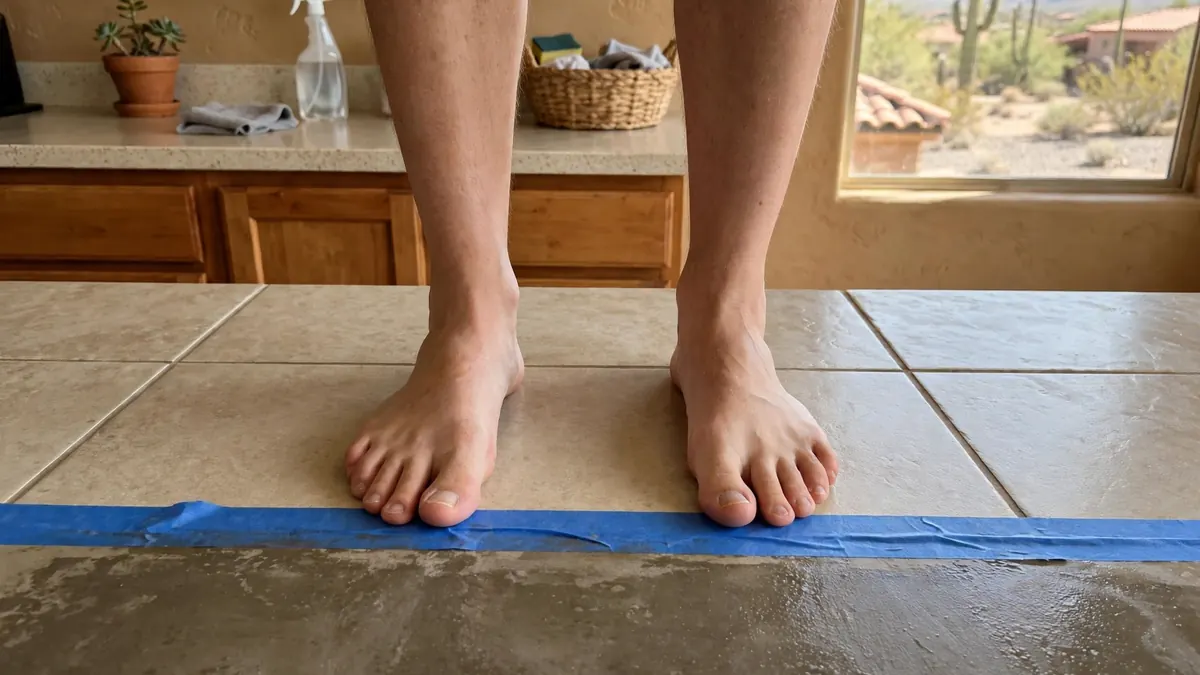 Leaks & PipesSlab leak signs in Casa Grande homes and what each one meansThe clearest slab leak signs are a warm spot on the floor, a water bill that rises with no change in habits, running water sounds with...
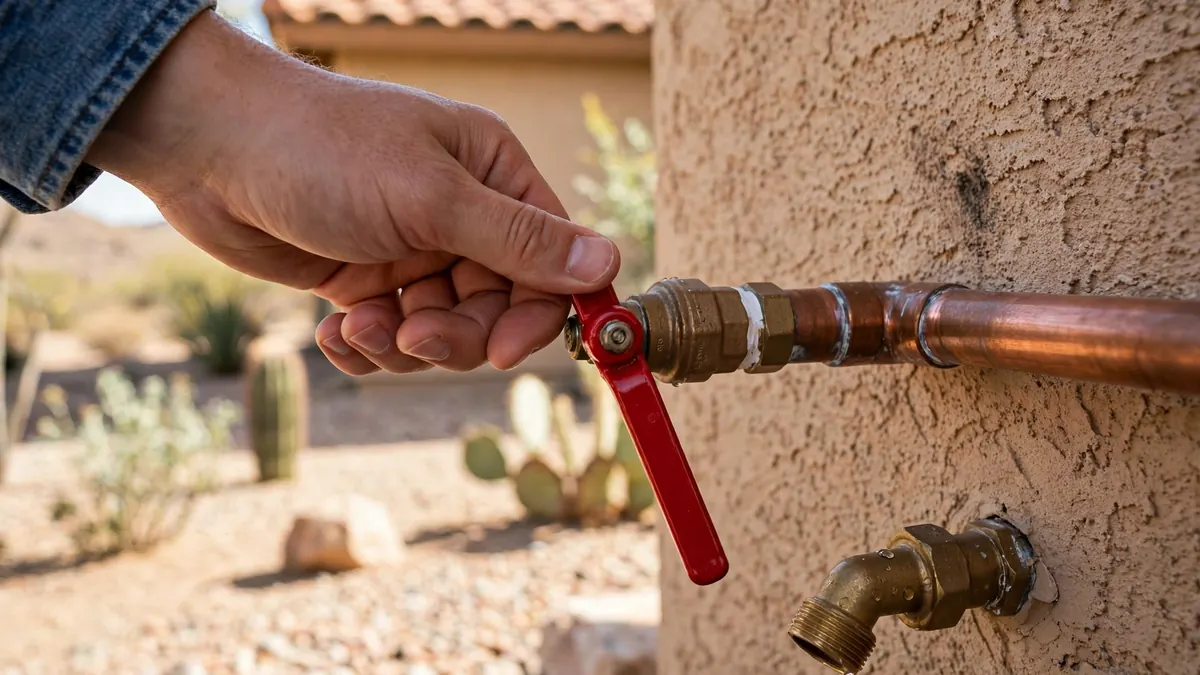 Leaks & PipesBurst pipe in your house: what to do in the first 15 minutesIn the first 15 minutes after a pipe bursts, shut off the water at the main, keep away from water near outlets and cut power only...
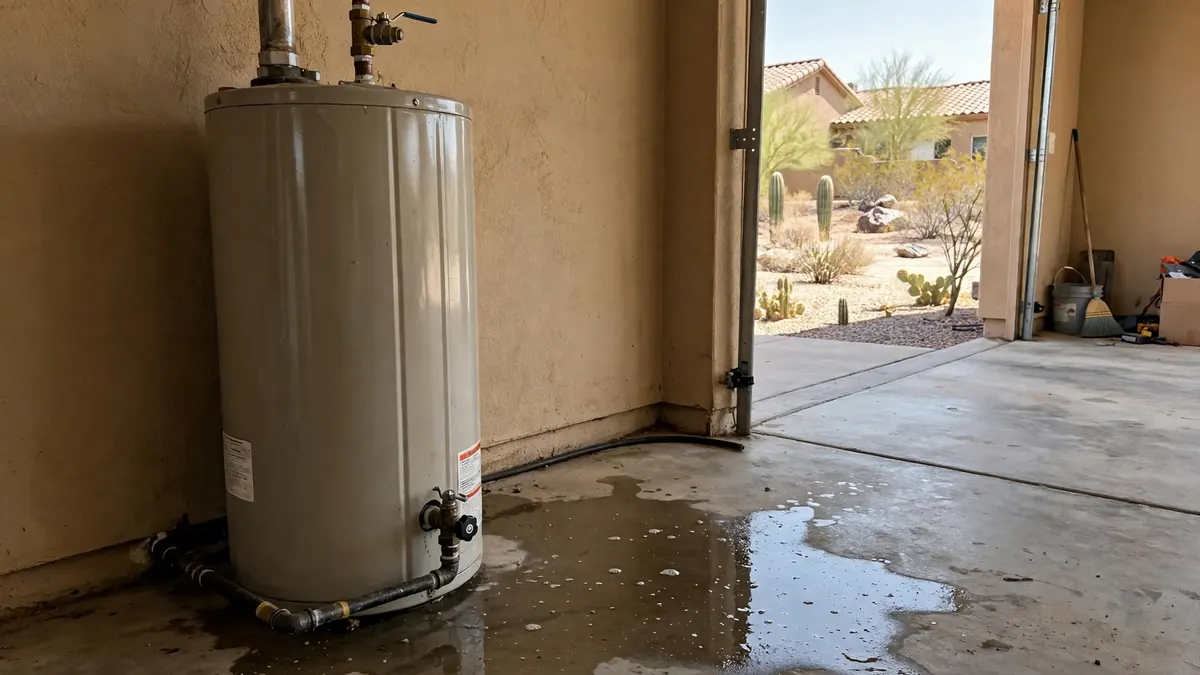 Leaks & PipesWater heater leaking from the bottom: what to do and what it meansA water heater leaking from the bottom may have a failed tank, but the water often comes from the drain valve, the relief valve, a fitting...
Need help with damage right now?
Speak to a local restoration specialist on the 24/7 line, any time of day.
Call (520) 380-1551When you call: enter your ZIP code, then press 1 for water damage, 2 for fire damage or 4 for sewage backup.