Home › Blog › Renters and water damage in Arizona: who pays?
Renters and water damage in Arizona: who pays?
In most Arizona rentals, the landlord pays to repair the building, usually through the landlord's own policy, and the renter pays for their own belongings, usually through renters insurance. The exception is damage the renter caused, which can land on the renter. Tell the landlord in writing right away and photograph everything before cleanup.
In this article
- Who pays for what when a rental gets water damage?
- What does the landlord's insurance cover?
- What does renters insurance cover after water damage?
- How do you notify your landlord about water damage?
- Can a renter call a restoration company?
- When is the renter responsible for the damage?
- What happens to rent and your deposit?
- How do you document your belongings for a renters claim?
- Questions homeowners ask
Who pays for what when a rental gets water damage?
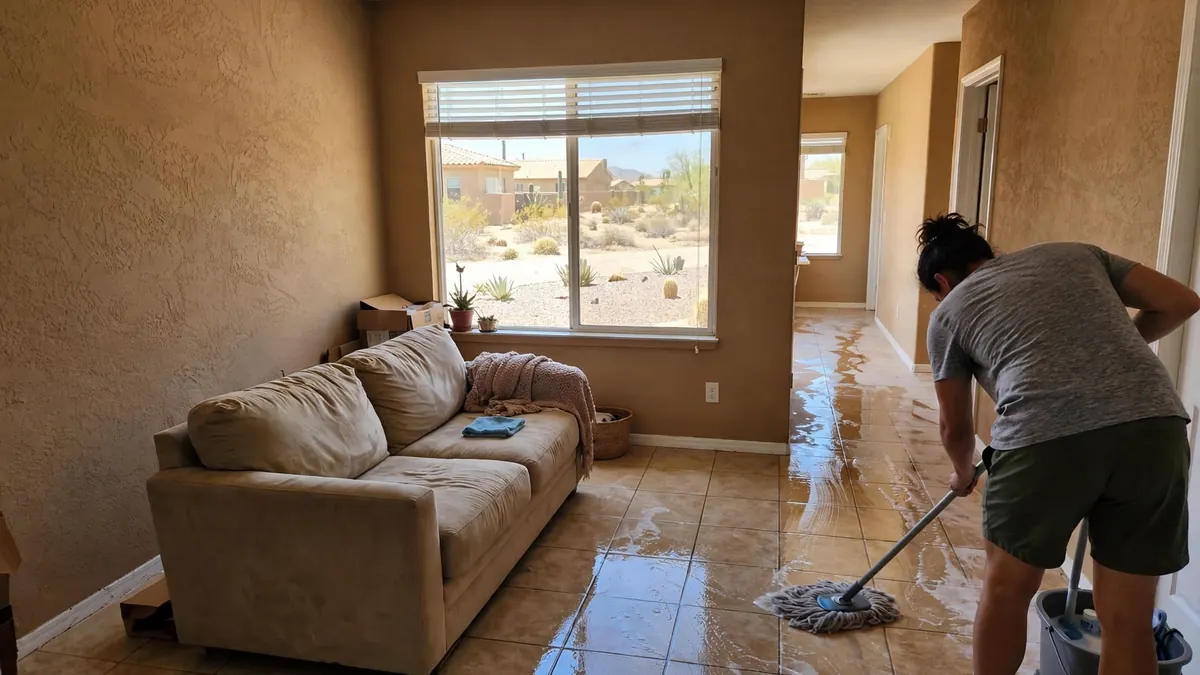
The building and the things in it are split. The landlord is usually responsible for the structure, meaning drywall, flooring, cabinets, plumbing and the appliances they supplied. You are usually responsible for your own furniture, clothes, electronics and anything else you brought in. Each side's insurance follows the same line.
That split surprises a lot of renters. A landlord's policy does not pay for your couch, even when the landlord's water heater ruined it. If the landlord was clearly careless, you may have a claim against them, but that is a dispute, not an automatic payment.
| What got damaged or what it cost | Who usually pays | Whose insurance usually responds |
|---|---|---|
| Drywall, flooring, baseboards, cabinets | Landlord | Landlord's dwelling or rental property policy |
| Drying and water extraction of the unit | Landlord | Landlord's policy, if the cause is covered |
| Your furniture, clothes, electronics, bedding | Renter | Renters insurance, personal property section |
| Hotel and extra meal costs while the unit is unlivable | Renter | Renters insurance, loss of use section |
| Building damage the renter caused by carelessness | Often the renter | Renters insurance liability section may respond |
| Damage to a neighbor's unit from water that started in yours | Depends on the cause | Your liability coverage if you caused it, the owner's policy if a building system failed |
| Outside flood water rising into the unit | Each side for its own property | Only a separate flood policy, for building or contents |
Your lease, the landlord's policy and your own policy all decide the final answer.
What does the landlord's insurance cover?
A landlord's policy covers the building and the landlord's own property in it, such as the stove, refrigerator, water heater and window coverings they supplied. It usually also covers the landlord's lost rent while the unit is being repaired. It does not cover your belongings.
Rental homes are often written on a dwelling policy rather than a standard homeowners policy. These policies vary more than homeowners forms do, and some cover fewer causes of loss. The basic behavior is still familiar: sudden and accidental water damage, like a supply line that bursts, is often covered, while gradual leaks, wear and tear, and outside flood water are commonly excluded. Our guide to whether insurance covers water damage in Arizona walks through the sudden-versus-gradual line in detail.
You cannot file on the landlord's policy. Your part is to report the damage quickly and in writing, so nobody can say the leak ran for weeks because the tenant stayed quiet.
What does renters insurance cover after water damage?
A typical renters policy, often called an HO-4, has three parts that matter here: personal property, loss of use, and personal liability. It covers the same sudden water events a homeowners policy does, with the same common exclusions.
Personal property
This pays for your belongings damaged by a covered event, minus your deductible. Check whether your policy pays replacement cost or actual cash value. Actual cash value subtracts depreciation, so a six-year-old sofa pays out as a six-year-old sofa.
Loss of use
If the unit is unlivable during drying or repairs, this section usually pays the extra cost of living somewhere else, such as a hotel, and meals beyond what you normally spend. Keep every receipt. In a Casa Grande summer, a unit with the drywall opened up and the AC shut down for repairs can be unlivable even if only one room got wet.
Personal liability
If you cause the damage, for example by leaving a bathtub running or knocking loose an ice maker line while moving the refrigerator, the landlord or their insurer may come to you for the repair bill. Liability coverage on a renters policy usually answers that. Without it, the cost comes out of your deposit or your pocket.
What renters policies commonly exclude
- Flood. Water rising off the ground during a monsoon storm is flood, and renters policies exclude it like homeowners policies do. The National Flood Insurance Program sells contents-only coverage that renters can buy.
- Sewer and drain backup. Often excluded unless you added a water backup endorsement.
- Slow leaks and mold. Damage that built up over time, and mold, are commonly excluded or capped.
How do you notify your landlord about water damage?
Call or text first if water is actively coming in, then follow up in writing the same day. Written notice is what counts. Arizona's residential landlord and tenant law ties most tenant remedies to written notice, and it is your best proof of when the landlord knew.
Email or the property management portal usually works. For a serious problem the landlord is ignoring, send a letter with delivery tracking or hand it over in person, and keep a copy. Check your lease for how notices must be delivered.
What to put in the written notice
- Your name, the unit address and the date.
- When you found the water and where it is coming from, if you know.
- What is wet: which rooms, flooring, walls, ceilings.
- What you already did, such as closing the shutoff valve or setting out buckets.
- Anything that affects health or safety: water near outlets, a sagging ceiling, sewage, a musty smell, no working AC.
- A plain request that the landlord arrange repairs and drying, and the best way to reach you.
- A note that photos are attached or available.
Keep the tone factual. You may need this message later for your deposit, a rent dispute or an insurance claim, and a calm, dated description is far more useful than an angry one.
If the landlord does not act, Arizona law gives tenants remedies that generally start with written notice and a short deadline to fix the problem. The rules on withholding rent, repairing and deducting, or ending the lease are specific, and getting them wrong can put you in breach. Read the Arizona Residential Landlord and Tenant Act, which the state publishes online, or talk to a legal aid office before you stop paying rent.
Can a renter call a restoration company?
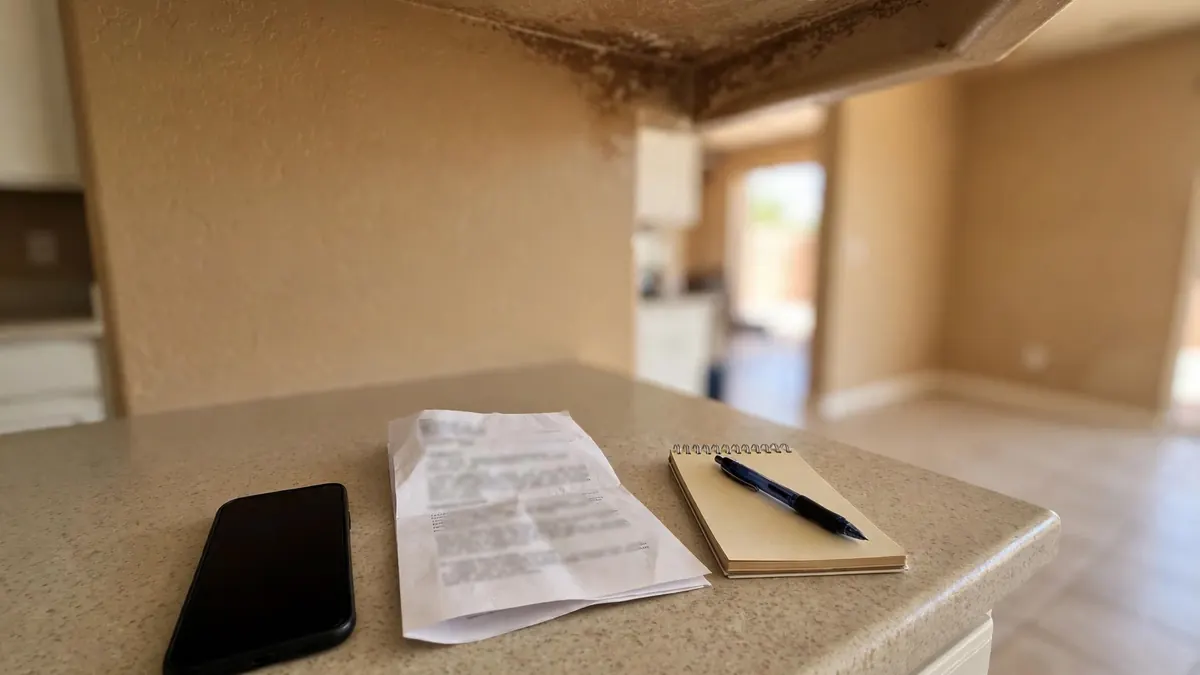
You can call for help and advice, but the owner normally has to authorize work on the building. Restoration companies usually ask the property owner or manager to sign the work authorization, because the drying, removal of drywall and rebuild are on the owner's property and billed to the owner or their insurer.
If you sign for structural work yourself, you could end up responsible for the bill. Here is how it usually works in practice:
- Landlord reachable. Tell them what you see and let them choose or approve the restoration company. Many property managers in Pinal County already have a company they use.
- Landlord not reachable at night. Close the shutoff, move your things, photograph everything (the steps on our what to do after water damage page apply to renters too), keep trying the landlord, and document each attempt with the time. If water is still spreading, a restoration company can explain what it needs from the owner before starting.
- Your belongings only. Cleaning or drying your own rugs, furniture or clothes is your decision and your cost, which your renters policy may cover.
Either way, ask for copies of the crew's moisture readings and photos. They show the date drying started, which matters if anyone later blames a delay.
When is the renter responsible for the damage?
Generally when the renter caused it through carelessness or ignored a problem they were expected to report. Arizona tenants have duties too, including using plumbing and appliances reasonably and not damaging the unit.
- Often on the renter: a bathtub left running, a washer hose the renter hooked up badly, wipes or grease that clog a drain, a window left open in a monsoon storm, or a slow leak under the sink the renter saw for months and never reported.
- Usually on the landlord: a water heater that fails from age or hard water scale, a slab leak under the floor, a roof leak or clogged flat-roof scupper, or an attic AC condensate line that overflows, unless your lease puts that maintenance on you.
Read the maintenance section of your lease. Some single-family rentals in Casa Grande put routine items like air filters, evaporative cooler pads or yard irrigation on the tenant, which can shift responsibility for related damage.
What happens to rent and your deposit?
If the unit becomes unlivable, you may not owe full rent for that time, depending on Arizona law and your lease. Damage that was not your fault should not come out of your security deposit.
Arizona's landlord and tenant law has a section on fire and casualty damage. In general, if a covered casualty makes the unit substantially unusable, a tenant may be able to move out and end the lease, or pay reduced rent for the part that cannot be used. The written notice deadlines are short, so read the statute or ask legal aid right away rather than waiting until repairs are done.
For the deposit, your best protection is the record you made: dated photos from the day of the leak, your written notice, and the move-in condition report. Water damage caused by a building failure is not normal wear and tear charged to the tenant.
How do you document your belongings for a renters claim?
Make a list of every damaged item with what it is, its brand, its rough age and what you paid, and photograph each one before you throw it out. Insurers price contents from that list.
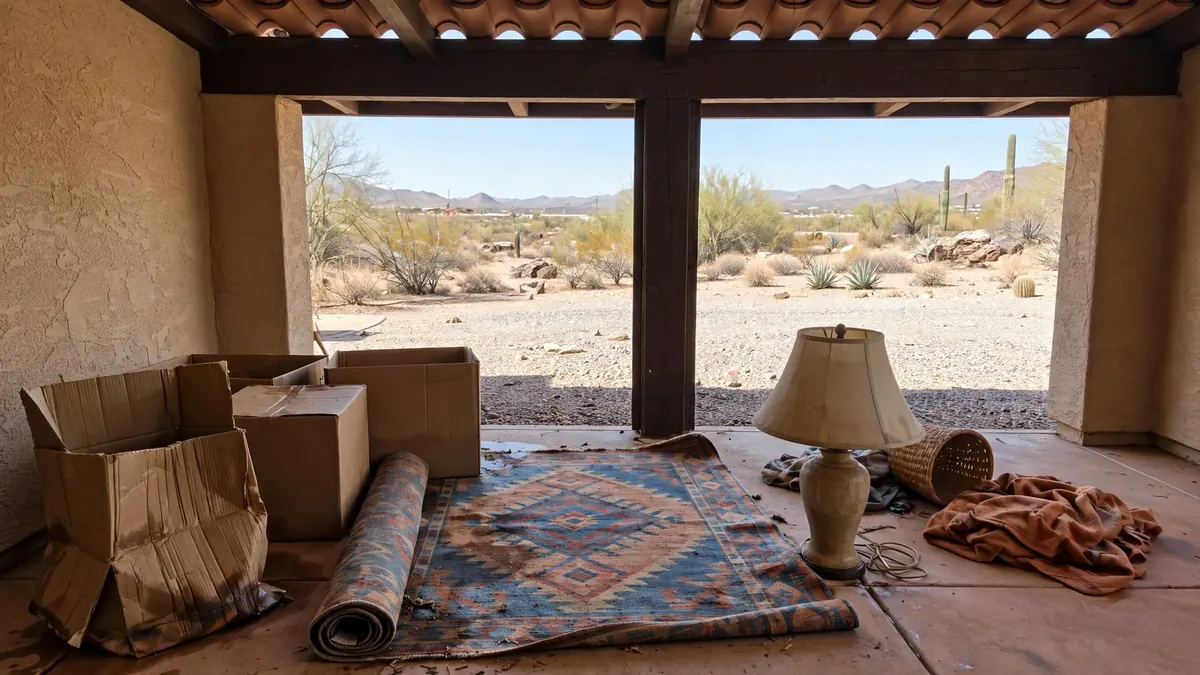
- Do not toss items too early. Your insurer may want to see them. Set them in the garage or on the patio if you can.
- Use your phone's photo history and online orders. Old pictures show items you would forget, and order records prove price and date.
- Separate what can be cleaned. Hard furniture and some clothing can be cleaned after clean water. Mattresses, rugs and upholstered items soaked in sewage or flood water are usually discarded.
- Keep extra cost receipts. Hotel, meals, laundry and storage all belong to the loss of use part of the claim.
If your rental has standing water, a soaked ceiling or water coming up from a drain, call (520) 380-1551. The line is open 24/7 and connects you or your landlord with a local restoration crew in Casa Grande and nearby Pinal County towns.
Questions homeowners ask
Does my landlord's insurance cover my belongings?
Do I have to pay if a pipe bursts in my rental?
Can my landlord charge my deposit for water damage?
Does renters insurance cover monsoon flooding?
How soon should I tell my landlord about a leak?
More from the blog
 Insurance & CostFlood vs water damage: how Arizona home insurance treats eachMost Arizona homeowners policies cover sudden water from inside the house, like a burst pipe, and often rain through a storm-damaged roof. Surface water that rises...
 Insurance & CostWater damage insurance claim checklist: photos, readings and receiptsA water damage claim checklist covers five things: photos and video of the source and every wet room before cleanup, the date and time you found...
 Insurance & CostWhy insurers deny water damage claims, and how to avoid itInsurers deny water damage claims most often because the leak was long-term, the cause was wear and tear or poor maintenance, the water was flood or...
Need help with damage right now?
Speak to a local restoration specialist on the 24/7 line, any time of day.
Call (520) 380-1551When you call: enter your ZIP code, then press 1 for water damage, 2 for fire damage or 4 for sewage backup.