Home › Blog › Fire damage restoration cost in Casa Grande: what drives the bill
Fire damage restoration cost in Casa Grande: what drives the bill
In Casa Grande, smoke and soot cleaning alone often runs about $500 to $4,000, while a fire that also left firefighting water behind is often $5,000 or more. Larger fires with rebuilding cost far more. The size of the area, soot type, water, contents and rebuild drive the price, and fire damage restoration companies set their own rates.
In this article
- How much does fire damage restoration cost in Casa Grande?
- What are you actually paying for after a fire?
- What drives fire restoration cost up or down?
- How does the type of soot change the price?
- How much does firefighting water add to the cost?
- What do contents cleaning and pack-out cost?
- How is a fire restoration estimate written?
- Who pays for fire restoration, and how does insurance handle the bill?
- How can you keep fire restoration costs down?
- What should you ask before you sign a fire restoration work authorization?
- Questions homeowners ask
How much does fire damage restoration cost in Casa Grande?
Smoke and soot cleaning only, such as after a small stovetop fire or a furnace puffback, often runs about $500 to $4,000. Once firefighting water is involved, combined fire and water jobs vary widely and are often $5,000 or more. A one-room fire with smoke through the house commonly lands around $3,000 to $15,000, and a major fire with structural damage can reach $20,000 or much more once rebuilding is included.
Those are rough Casa Grande area ranges, not quotes. Each independent restoration company sets its own prices, and the same fire can produce very different numbers depending on what burned, how long the smoke sat and whether the house got wet. The rest of this guide explains what sits behind those numbers, so the estimate you get makes sense when you read it.
| Type of loss | Rough range | What usually decides where it lands |
|---|---|---|
| Smoke and soot cleaning only (small kitchen fire, puffback) | About $500 to $4,000 | Number of rooms, soot type, duct cleaning |
| Fire plus firefighting water | Varies widely, often $5,000 or more | Wet area, materials removed, drying days |
| One-room fire, smoke through the house | Commonly about $3,000 to $15,000 | Cleaning, odor treatment, drying and repairs |
| Major fire with structural damage | Can reach $20,000 or much more | Rebuild scope, contents, how much of the house is affected |
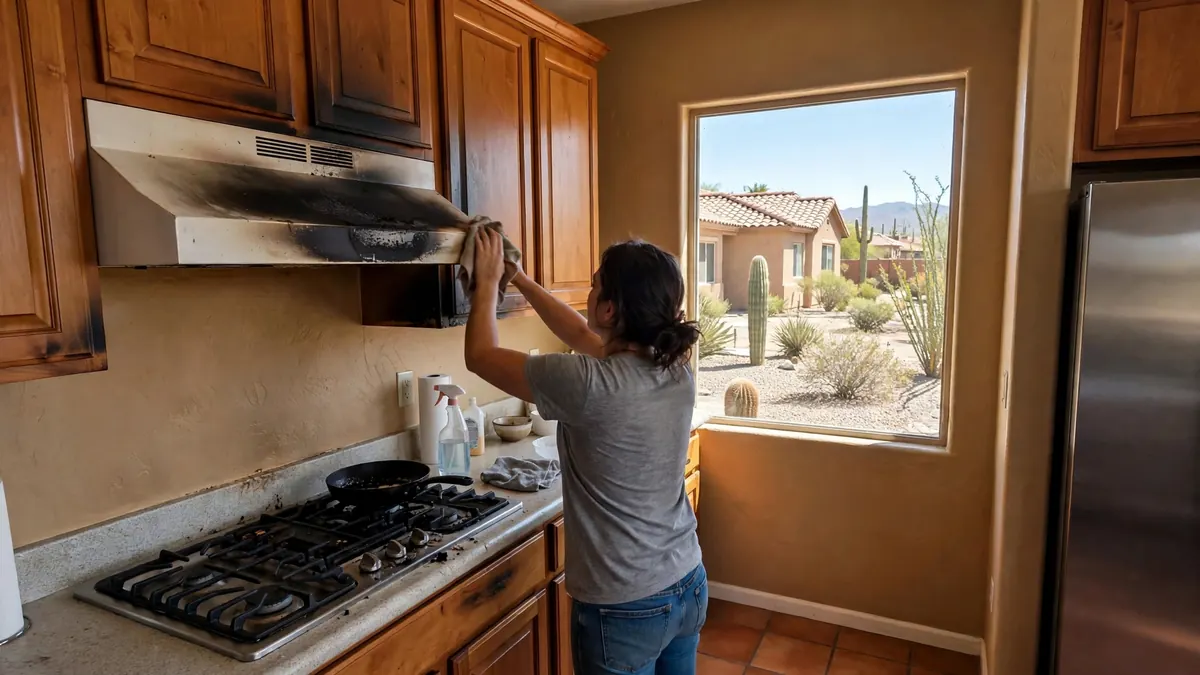
What are you actually paying for after a fire?
A fire restoration bill is several jobs stacked together: securing the house, cleaning and deodorizing it, drying it, handling your belongings, and rebuilding what is gone. Each phase is usually priced on its own, and many small fires only need the first two or three.
Emergency services
Board-up of broken windows and doors, a tarp over any roof openings, and sometimes temporary power for equipment. This is usually a small part of the total, but it comes first, and it protects the rest of the claim from weather and intrusion.
Cleaning and odor work
Soot removal from walls, ceilings, cabinets and fixtures, HVAC filter replacement and duct cleaning, then odor treatment such as thermal fogging, hydroxyl or ozone, and sealing framing that still smells. On a smoke-only job, this phase is most of the bill. Our smoke odor removal page walks through how that work is done.
Water mitigation
Extraction of firefighting water, removal of wet insulation, pad and drywall, and several days of dehumidifiers and air movers with daily moisture readings. This is often the line that turns a modest smoke job into a five-figure one.
Contents
Inventory, pack-out to a facility, cleaning by material, storage while the house is repaired, and pack-back. In a fully furnished home this can rival the structure cleaning in cost.
Demolition and rebuild
Removing burned framing, drywall, cabinets and flooring, then putting it all back: drywall, paint, cabinets, flooring, electrical, roofing. On bigger fires this is the largest share by far, and it is often written as a separate estimate from the cleanup.
What drives fire restoration cost up or down?
The biggest drivers are how much of the house the smoke reached, what kind of residue it left, whether the house got wet, how much of your belongings need cleaning, and how much has to be rebuilt. Time matters too, since soot and odor set in the longer they sit.
| Cost driver | Pushes the price up | Keeps the price down |
|---|---|---|
| Area affected | Smoke pulled through the whole house by the AC | Smoke contained to one room with the door closed |
| Soot type | Wet smoke from plastics, heavy protein residue | Light, dry soot that lifts with dry sponges |
| Water | Hose lines, attic soaked, sprinkler discharge | Fire put out with an extinguisher or a lid |
| HVAC | System running during the fire, ducts coated | System off, only the filter needs changing |
| Contents | Full house of furniture, clothing and electronics | Sparse rooms, few soft goods |
| Materials | Popcorn ceilings, unsealed stone, custom cabinets | Semi-gloss paint, tile, sealed surfaces |
| Time before cleaning | Days or weeks of acidic soot on metal and glass | Cleaning that starts soon after the all-clear |
| Rebuild | Roof, framing or kitchen replacement | Paint and minor drywall only |
One local factor stands out. For much of the year Casa Grande homes run the AC around the clock, and when a fire starts the system is often on. It pulls smoke through the return and pushes it into every room through the ducts. That turns a one-room fire into a whole-house cleaning job, with duct cleaning added, and it is a common reason a small fire comes back with a larger estimate than the homeowner expected.

How does the type of soot change the price?
Soot type changes the labor, and labor is most of a cleaning bill. Dry, powdery soot from a fast, hot fire is the cheapest to remove. Sticky wet smoke from burning plastic and the near-invisible protein film from cooking fires take more time, stronger cleaners and more odor treatment.
- Dry smoke. Often lifts with dry chemical sponges and HEPA vacuuming before any liquid is used. Fewer passes per wall, so fewer labor hours.
- Wet smoke. Smears under pressure and needs solvent-based cleaners, sometimes several passes. Odor is heavier, so deodorization runs longer, and more surfaces end up being sealed and repainted rather than cleaned.
- Protein residue. Common after a pot of meat or oil left on the stove. It barely shows, but every cabinet, ceiling and wall in the area has to be degreased, and the smell travels well past the kitchen. Homeowners are often surprised that a fire with almost no visible damage carries a meaningful cleaning bill.
Surfaces matter as much as the soot. Flat paint and textured ceilings hold residue and often cost more to clean than they would to seal and repaint. Glass, chrome and appliance trim that sat with acidic soot for days may be priced for replacement instead of cleaning, because etching does not polish out.
How much does firefighting water add to the cost?
Often a lot, because water adds a second job. Extraction, removal of wet materials and three to five or more days of drying equipment get added to the cleaning, and wet drywall, insulation and pad that would have been cleaned may have to be replaced instead.
Water costs are priced the same way as any other water loss: by square footage, materials removed, and equipment days. Firefighting water is usually dirty, since it ran through soot and ash, so it tends to be handled more like gray or black water than clean water. That means more removal and less drying in place. Our guide to water damage restoration cost in Casa Grande covers how that side of the bill is built.
A few things raise the water portion quickly:
- An attic that got soaked, which brings down ceiling drywall and insulation.
- Plank flooring over the slab, which usually has to come up for the concrete to dry.
- Particleboard cabinet boxes that swell from water at the toe-kick.
- A delay before drying, which lets mold start and adds a remediation scope.
What do contents cleaning and pack-out cost?
Contents are priced separately from the house, usually by the box, the item or the hour for packing, plus cleaning by item type and monthly storage. The total depends almost entirely on how much you own and what it is made of, so there is no useful flat range.
What moves the contents number:
- Volume. A four-bedroom home with full closets and a garage of stored items takes far more packing and storage than a sparsely furnished winter home.
- Soft goods. Clothing, bedding, curtains and upholstery need laundering, dry cleaning or ozone treatment. Upholstered furniture is often the most expensive single category to clean.
- Hard goods. Dishes, decor and hardware can go through ultrasonic cleaning, which is efficient for large quantities.
- Electronics and documents. These get specialty handling, and some items are cheaper to replace than to restore.
- Storage time. The longer the rebuild runs, the more months of storage you pay for, or your policy does.
For each item, the question is whether cleaning costs less than replacing. Restoration crews and adjusters make that call item by item, and anything not worth cleaning gets photographed and listed as a loss for the contents part of the claim.

How is a fire restoration estimate written?
Most fire restoration estimates are line-item documents, written room by room in estimating software that many insurance carriers also use. Each line names a task, a unit such as square feet, linear feet, each or hours, a quantity and a unit price. That format lets you and your adjuster compare the estimate line by line.
A typical estimate groups lines like this:
- Emergency services. Board-up materials and labor, roof tarp, temporary power.
- Structure cleaning. Walls and ceilings by square foot, cabinets by linear foot, fixtures and vents by each.
- Odor control. Fogging, hydroxyl or ozone equipment by day, sealer by square foot.
- HVAC. Filter replacement, duct and register cleaning, air handler cleaning.
- Water mitigation. Extraction, removal of wet materials, equipment by the day, moisture monitoring.
- Contents. Packing, cleaning, storage and pack-back, often on a separate contents estimate.
- Demolition and debris. Tear-out by square foot, dumpster or haul-off.
- Rebuild. Drywall, paint, flooring, cabinets, trim, roofing and trades, often a separate estimate or a separate contractor.
Two terms tend to confuse people. Overhead and profit is a percentage added on top when a general contractor coordinates several trades, which is common on larger fires. And a supplement is an added estimate filed after work starts, usually because opening a wall or ceiling revealed more damage than anyone could see at first. Supplements are normal on fire jobs and do not by themselves mean anyone is padding the bill.
Ask for the cleanup and the rebuild as separate estimates. It makes it easier to compare companies, see what your adjuster has agreed to, and choose a different contractor for the rebuild if you want to.
Who pays for fire restoration, and how does insurance handle the bill?
On most standard homeowners policies, sudden fire and smoke damage is a covered loss, so your insurer usually pays the covered cost of the work minus your deductible. That includes smoke from a fire that started at a neighbor's property in most cases. Coverage depends on your policy, so check your declarations page and talk to your adjuster before work goes past the emergency stage.
How the money usually moves:
- Deductible. It comes off the covered loss once per claim. If fire, smoke and firefighting water all came from the same event, they are generally one claim.
- Dwelling and contents are separate. The structure is paid under one part of the policy and your belongings under another, each with its own limit.
- Replacement cost or actual cash value. Many policies pay replacement cost on the house and may pay actual cash value on contents, and replacement cost is often paid in two checks, with the second released after repairs are done.
- Mortgage company on the check. Payments for the structure often name your lender as well as you, and the lender may hold funds and release them as work is completed. That can slow payments to the contractor.
- Additional living expenses. If the house is not livable, many policies help with hotel or rental costs and some added meal costs. Keep every receipt.
Not everything is covered. Gradual smoke and soot from candles, a fireplace that does not draft properly, or years of tobacco smoke is usually treated as maintenance, not a sudden loss. Mold that grows because a wet house sat for weeks can be cut as secondary damage. Our guide on how Arizona homeowners insurance handles water damage explains deductibles, secondary damage and replacement cost in more detail, and the same rules apply to the water side of a fire claim.
How can you keep fire restoration costs down?
The biggest savings come from starting early and avoiding things that spread the damage. Soot etches and odor sets in with time, and water left in a closed, hot house turns into mold. Small choices in the first days change the final number.
- Keep the HVAC off. Running it pushes soot through ducts and into rooms that were clean.
- Do not wipe soot with water or household cleaners. That smears residue into paint and turns a cleaning line into a repaint line.
- Get the house closed up. A monsoon storm through an open roof vent adds a second water loss.
- Start drying early. Wet drywall and cabinets in smoke-only rooms are often saveable if drying begins within the first day or two.
- Do not throw things out. Damaged items you discard before they are documented can be hard to claim. Spoiled food and medicine are the exception.
- Decide what is worth cleaning. For low-value items, replacement through the contents claim may make more sense than paying to clean them.
Seasonal homes are a special case. In snowbird areas such as Mission Royale or Robson Ranch in Eloy, a small fire or puffback in an empty house can sit for weeks before anyone notices. The longer soot sits on fixtures and the longer smoke bakes into a hot, closed house, the more the bill grows. A neighbor or house checker with a key and your insurer's number helps here.
What should you ask before you sign a fire restoration work authorization?
Ask what the company will do now, how it prices that work, and how it works with your insurer. A work authorization lets a crew start, so you should understand what it commits you to before you sign it.
- Does this authorization cover emergency services only, or the full job including rebuild?
- Will I get a line-item estimate, and will cleanup and rebuild be separate?
- Do you work directly with my insurer, and will you send the adjuster your photos and moisture logs?
- What happens if the insurer does not agree with part of the estimate?
- Is my belongings inventory shared with me, with photos of what goes to storage and what is listed as a loss?
- Who do I call with questions while the work is going on?
Prices are set by the restoration company you choose, and the only way to know your number is an on-site assessment. The restoration companies we work with handle board-up, smoke and soot cleaning, firefighting water and odor treatment across Casa Grande and nearby Pinal County. To talk to a local crew, call (520) 380-1551. The line is open 24/7.
Questions homeowners ask
How much does smoke damage cleanup cost without fire damage?
Why is my fire restoration estimate higher than I expected?
Does homeowners insurance pay for fire damage restoration?
Is the rebuild included in the restoration estimate?
Do I have to pay the restoration company up front?
More from the blog
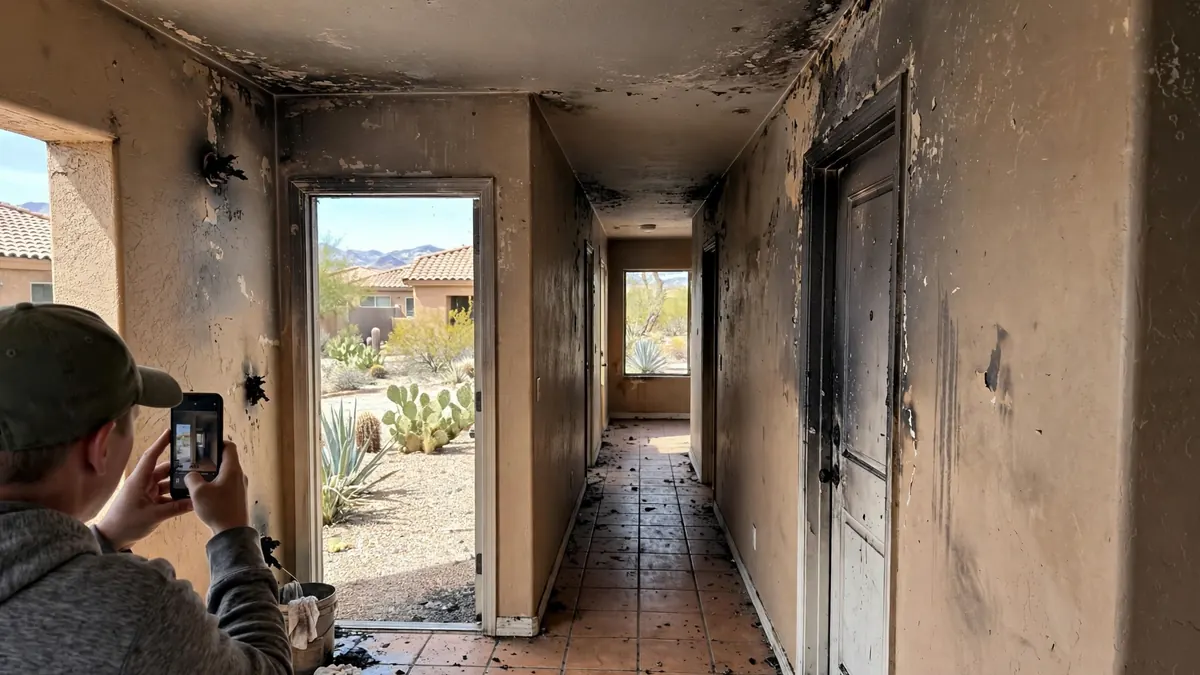 Fire & SmokeSmoke damage cleanup after a house fire: what to do firstStart smoke damage cleanup only after the fire department clears the house. Then keep the AC off, photograph everything, throw out exposed food, and do not...
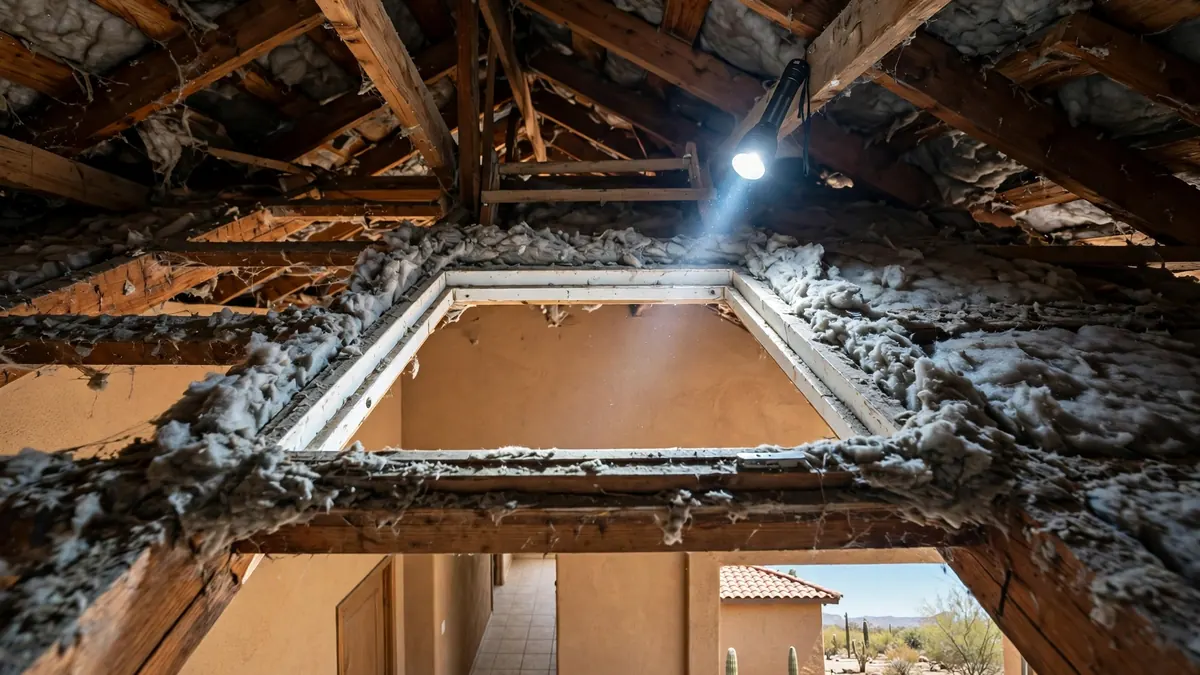 Fire & SmokeHow to get smoke smell out of a house in ArizonaTo get smoke smell out of a house, remove the residue instead of covering it. Change the HVAC filter, wash soft goods, clean hard surfaces top...
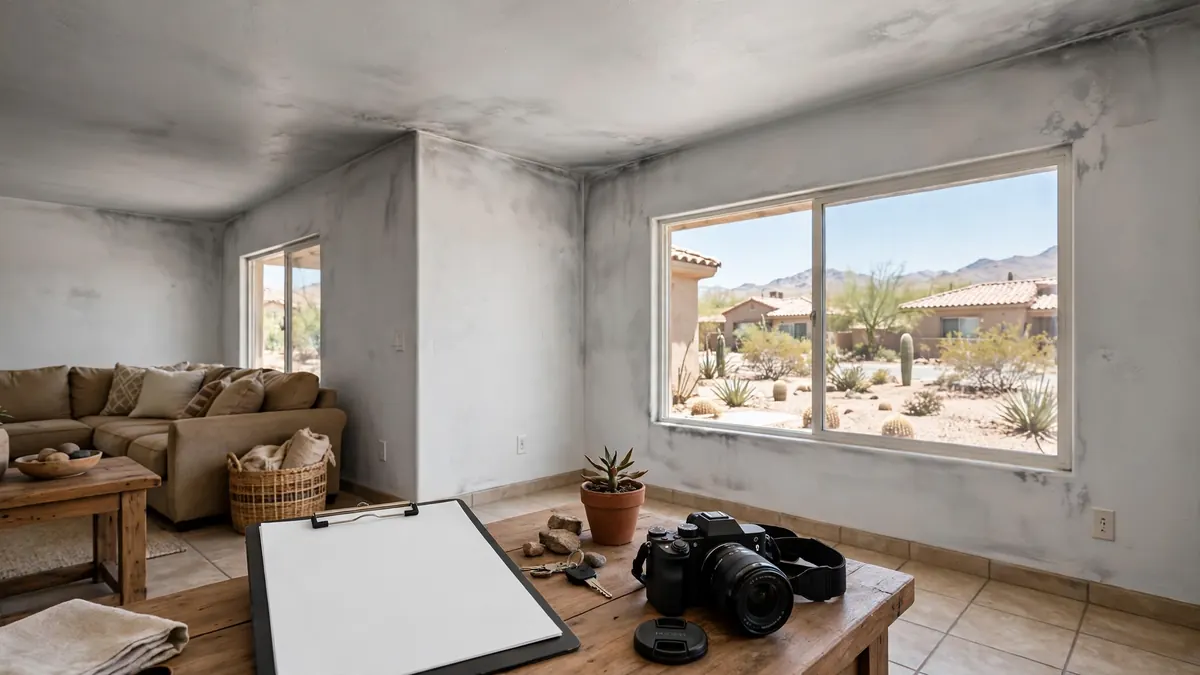 Fire & SmokeDoes homeowners insurance cover smoke damage in Arizona?Most standard Arizona homeowners policies cover sudden smoke damage, including smoke from your own fire, a neighbor's fire, or a wildfire, minus your deductible. Gradual buildup...
Need help with damage right now?
Speak to a local restoration specialist on the 24/7 line, any time of day.
Call (520) 380-1551When you call: enter your ZIP code, then press 1 for water damage, 2 for fire damage or 4 for sewage backup.